- May 21, 2026
Food Styling Psychology: The Science Behind Food Visuals That Make Customers Hungry
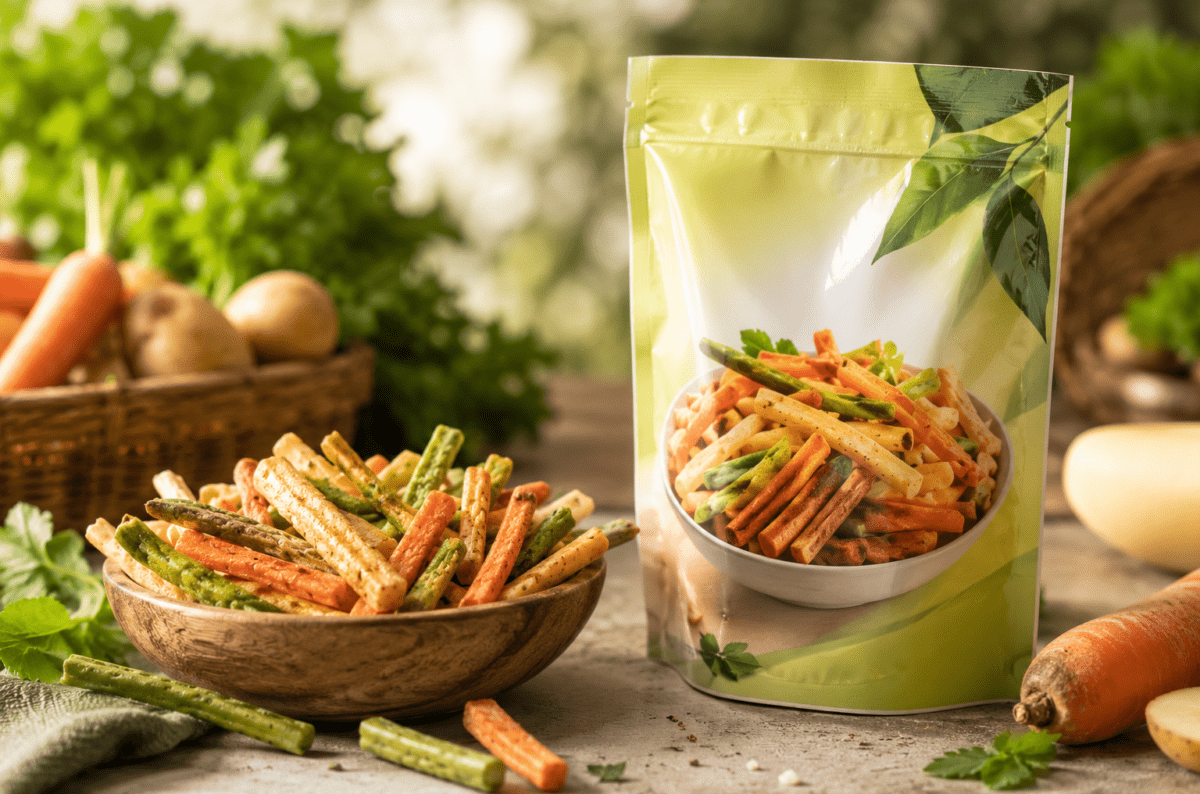
Food styling psychology plays a powerful role in how consumers react to food advertisements, restaurant menus, packaging, and social media content. Long before customers taste a product, they form emotional and sensory opinions based entirely on visuals. The colour of the food, texture visibility, lighting, composition, and even the placement of ingredients can influence appetite and decision-making within seconds.
Modern food advertising is built around psychology. Brands carefully design visuals that trigger cravings, emotional comfort, indulgence, freshness, or excitement. Whether it is melting cheese in a burger ad, glossy noodles in a commercial, or rich chocolate textures in dessert photography, every visual detail is intentionally created to stimulate hunger and emotional response.
As digital food marketing continues growing rapidly, understanding food styling psychology has become essential for brands, restaurants, advertisers, and content creators working in modern food marketing psychology and visual advertising strategies.
Why Food Styling Psychology Matters in Advertising
Humans naturally respond emotionally to food visuals because eating is deeply connected with comfort, pleasure, memory, and reward. This is why strong food visuals can instantly trigger cravings even through a screen.
Professional food styling uses principles of food marketing psychology to create visuals that feel fresh, rich, satisfying, or indulgent depending on the product. A burger advertisement may emphasize melting cheese and juicy texture to create indulgence, while a healthy food campaign may focus on freshness and clean presentation.
Modern food advertisement strategy is heavily based on understanding how visual cues influence appetite and consumer behaviour.
The Connection Between Visuals and Appetite Marketing
The brain processes food visuals extremely quickly. In many cases, consumers decide whether food looks appetizing within a few seconds of seeing it. This rapid emotional response is one of the foundations of appetite marketing.
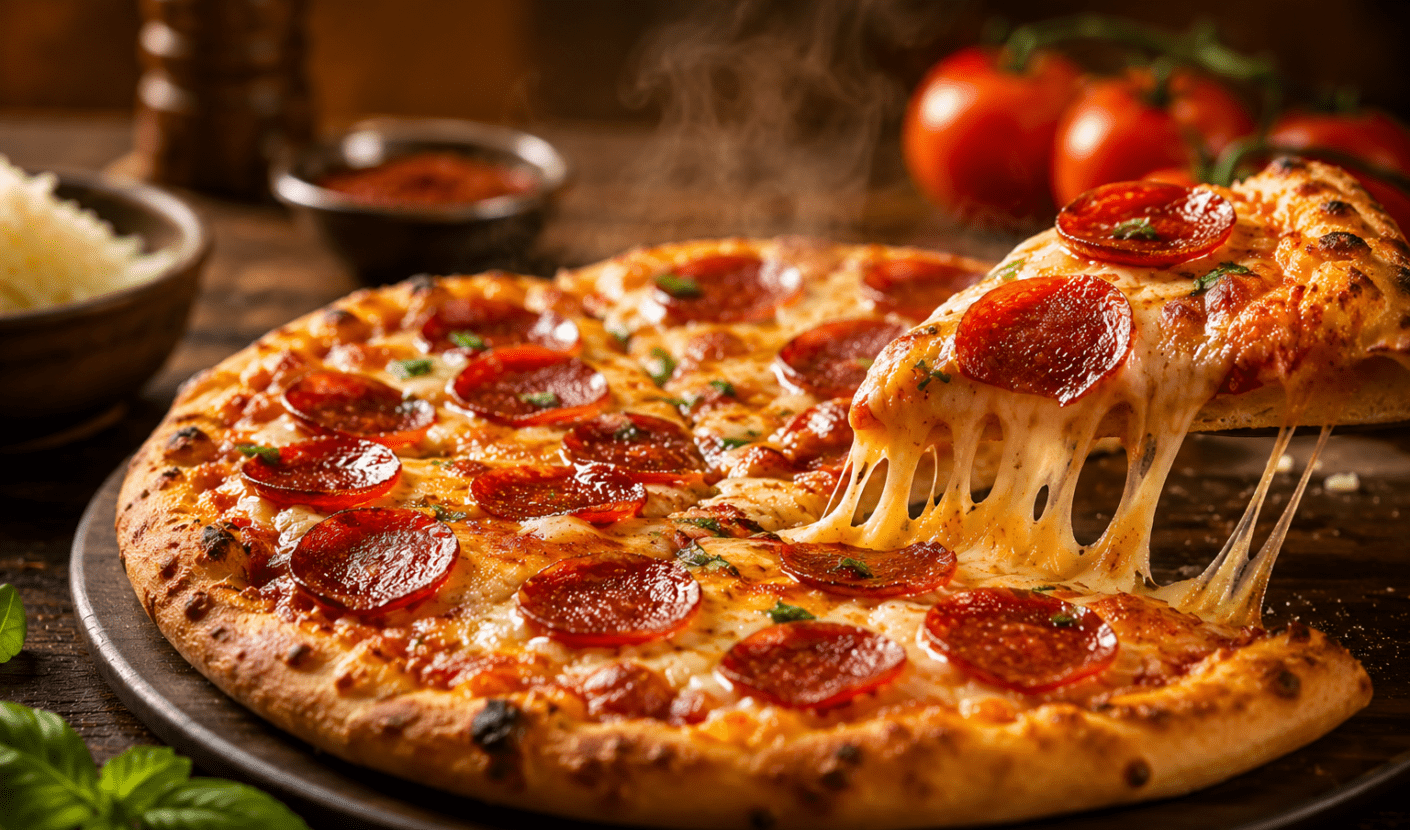
Visual signals such as steam, shine, crisp texture, sauce drips, and colour contrast help viewers imagine flavour and texture mentally. This sensory imagination increases emotional engagement and creates stronger desire for the product.
Professional food stylists and photographers use food styling psychology to activate these appetite triggers intentionally during advertisements and commercial shoots.
How Colour Influences Food Marketing Psychology
Colour is one of the strongest psychological tools in food advertising. Different colours create different emotional and sensory reactions.
Warm tones such as red, orange, and yellow are commonly used in food marketing psychology because they increase feelings of excitement, warmth, and appetite. Rich golden tones often make fried foods appear crispier, while darker chocolate tones create feelings of indulgence and luxury.
In food advertisement strategy, colour balance is carefully controlled so the food feels visually satisfying without appearing artificial.
Texture Psychology in Food Styling
Texture is one of the most powerful appetite triggers because viewers subconsciously imagine mouthfeel while looking at food. Crispy foods should appear crunchy, desserts should look creamy, and beverages should feel cold and refreshing.
This is why food styling psychology focuses heavily on texture visibility. Melted cheese, glossy sauces, crispy coatings, bubbling beverages, and syrup drips all help create stronger emotional reactions.
Professional appetite marketing uses close-up shots and controlled lighting to emphasize these textures and increase sensory engagement.
Why Steam and Freshness Trigger Hunger
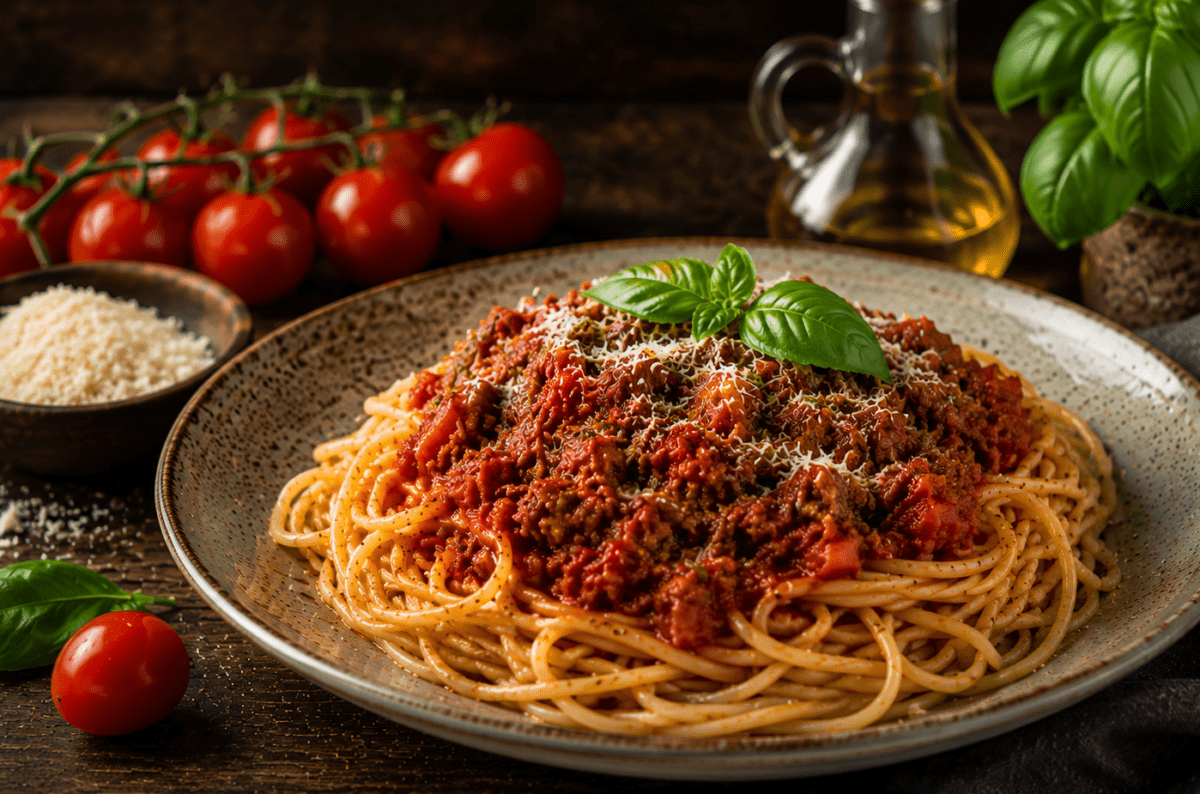
Freshness is strongly associated with quality and taste. Steam rising from noodles, warm bread, or curries instantly creates emotional comfort and appetite response.
In food marketing psychology, steam acts as a visual cue that suggests freshness, warmth, and recently prepared food. This is why hot foods in advertisements are often styled with visible steam effects.
Professional food advertisement strategy uses freshness cues strategically because viewers emotionally associate them with better flavour and eating satisfaction.
The Role of Lighting in Food Styling Psychology
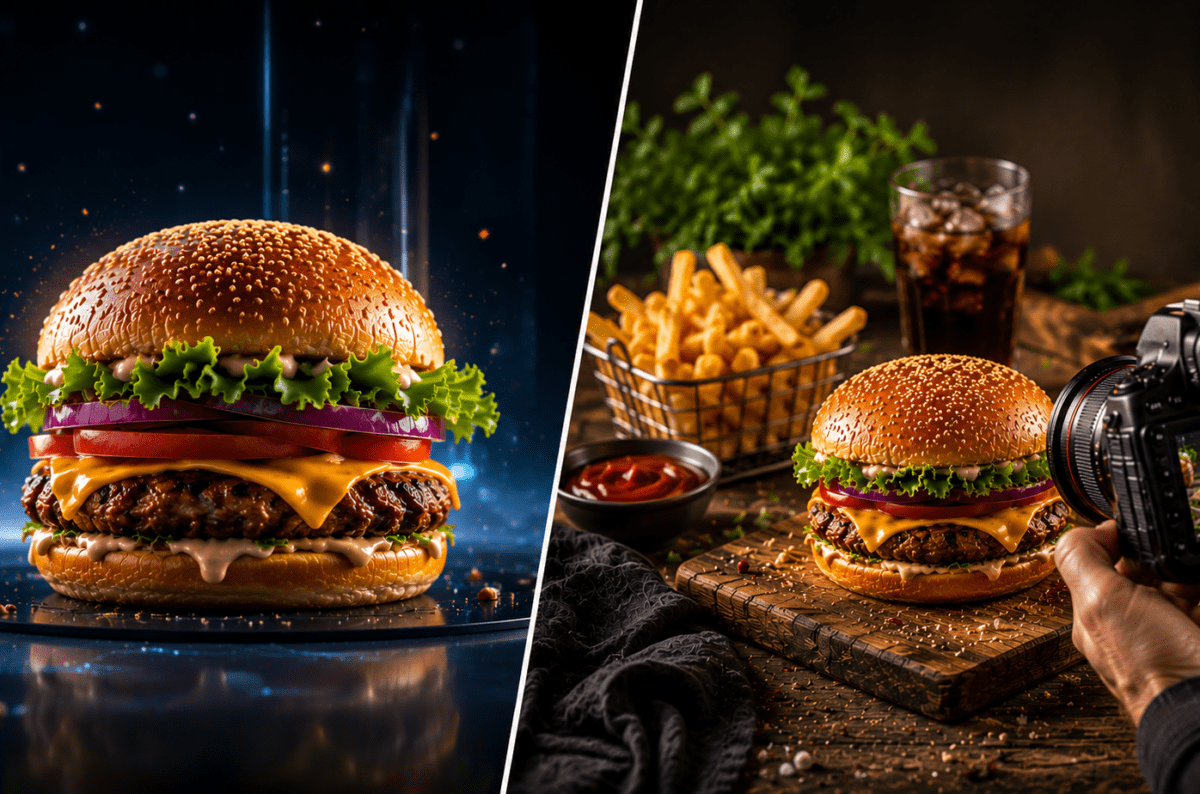
Lighting directly affects how viewers emotionally perceive food. Soft warm lighting creates comfort and indulgence, while brighter lighting creates freshness and cleanliness.
Professional photographers carefully control lighting because it influences texture visibility, colour richness, and emotional tone. In food styling psychology, lighting helps shape the mood of the advertisement before the viewer even processes the product consciously.
Luxury desserts may use darker cinematic lighting, while healthy food campaigns often use brighter natural tones as part of their food advertisement strategy.
How Appetite Marketing Uses Movement
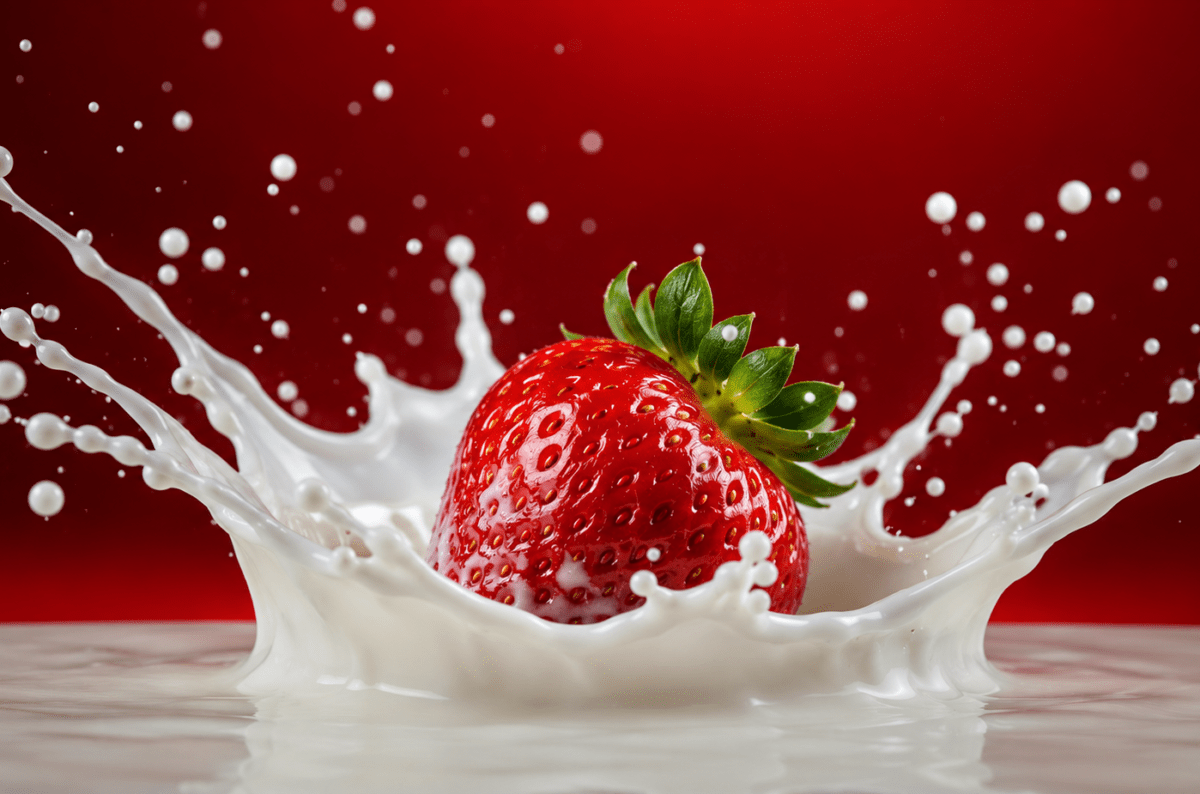
Movement creates stronger sensory engagement because static visuals often feel less immersive. Slow-motion cheese pulls, pouring chocolate, fizzing beverages, and dripping sauces are common examples of appetite marketing techniques.
Movement helps viewers imagine the eating experience more vividly. In modern food advertisements, dynamic visuals create stronger emotional connection and improve audience retention on social media.
Professional stylists and videographers use food styling psychology to make food appear alive, fresh, and satisfying through movement-based visuals.
Emotional Storytelling in Food Advertisement Strategy
Food advertising is rarely only about taste. Most successful campaigns connect food with emotions such as comfort, nostalgia, celebration, family, friendship, or reward.
A bowl of noodles may represent late-night comfort. A mithai advertisement may create festive warmth. A coffee commercial may suggest relaxation and calmness. These emotional layers are carefully built using food marketing psychology.
Modern food advertisement strategy combines emotional storytelling with strong visuals to create advertisements that people remember emotionally, not just visually.
Why Close-Up Food Visuals Work So Well
Close-up photography is extremely effective in food styling psychology because it exaggerates texture and detail. Macro shots allow viewers to focus on melting cheese, crispy layers, syrup shine, or creamy textures more intensely.
This visual intimacy increases appetite response because the brain processes the food as more sensory and immediate. Many modern appetite marketing campaigns rely heavily on close-up visuals for this reason.
Social media platforms have made close-up food visuals even more powerful because they create instant engagement while scrolling.
How Social Media Changed Food Marketing Psychology
Social media has significantly changed modern food marketing psychology. Platforms like Instagram, YouTube Shorts, and reels prioritize fast visual impact, which means food advertisements now need to trigger craving almost instantly.
Because of this shift, modern food advertisement strategy focuses more on movement, close-up textures, dramatic lighting, and emotionally satisfying visuals. Food styling now plays a direct role in digital performance and engagement.
Strong visuals are no longer optional—they are essential for visibility and customer attention online.
Why Brands Invest in Food Styling Psychology
Brands understand that visual appetite triggers directly influence consumer behaviour. Professional food styling helps products:
- attract attention faster
- create stronger cravings
- improve emotional engagement
- increase social media performance
- strengthen brand recall
Through advanced food styling psychology, brands create visual experiences that influence both emotion and purchasing behaviour.
The Future of Appetite Marketing
As visual content continues dominating digital platforms, appetite marketing will become even more psychologically driven. AI-enhanced visuals, motion-based content, and hyper-realistic textures are already changing how brands communicate through food.
However, emotional authenticity and sensory realism will continue remaining important in future food advertisement strategy development.
The brands that best understand human appetite psychology will continue creating the most effective food campaigns.
Final Thoughts
Food styling psychology is the science of using visual cues to influence appetite, emotion, and consumer behaviour. Every detail—from colour and texture to lighting and movement—is carefully designed to make food feel more desirable and emotionally satisfying.
Modern food marketing psychology, advanced appetite marketing, and strategic food advertisement strategy now play a major role in how brands attract customers across advertisements, social media, packaging, and restaurant platforms.
As digital food advertising continues evolving, understanding the psychology behind food visuals will remain one of the most valuable tools for creating strong customer engagement and memorable brand experiences.