- May 11, 2026
Beverage Advertisement Shoot: Behind the Scenes of Professional Drink Commercial Production
Beverage advertisement shoot production is one of the most detailed and technically demanding areas of food and commercial photography. Whether it is a soft drink, juice, iced coffee, energy drink, mocktail, or packaged beverage, every visual element must communicate freshness, temperature, and flavour instantly. In modern advertising, viewers often decide how refreshing a drink feels within just a few seconds of seeing it on screen.
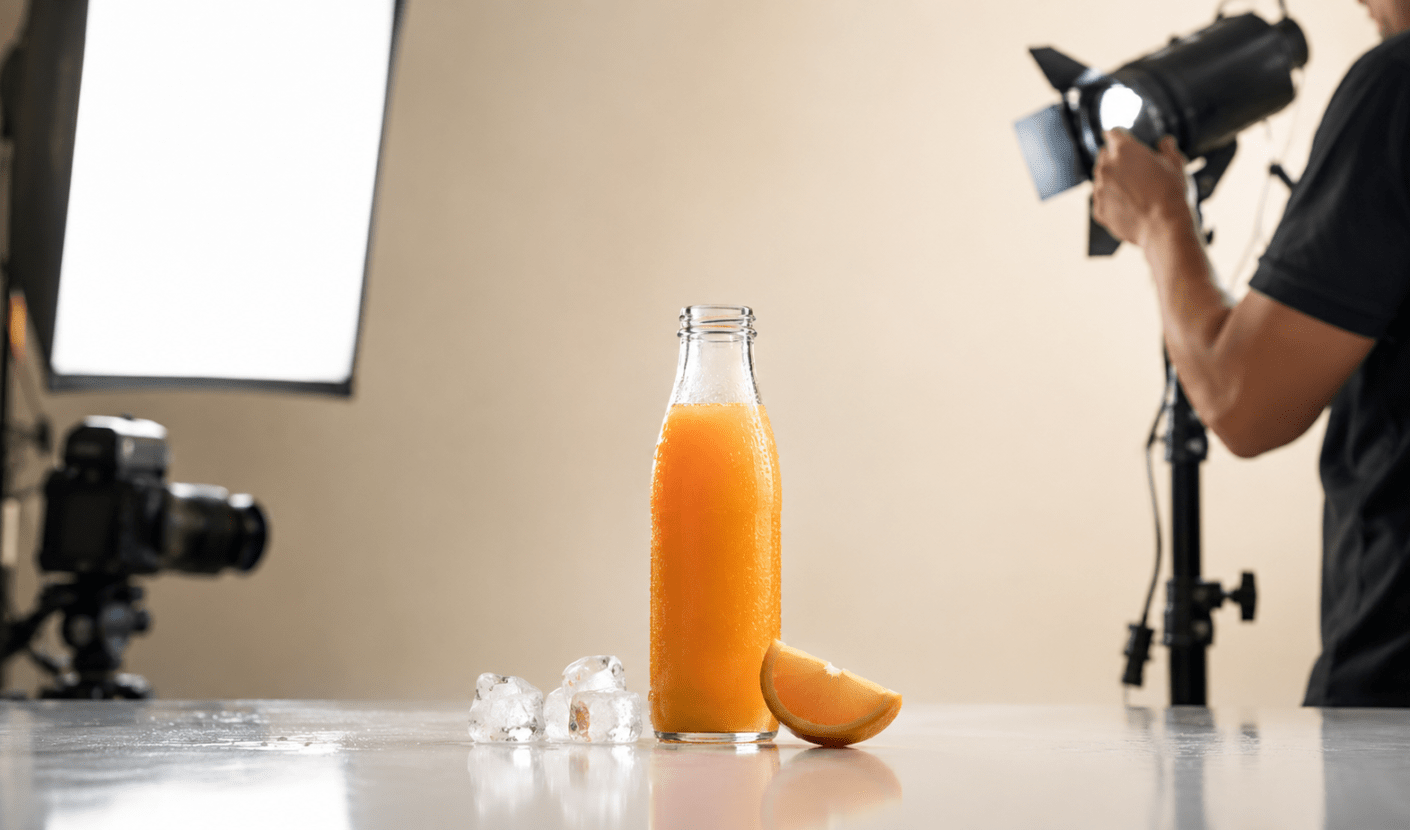
Behind every successful beverage campaign is a carefully planned production process involving lighting experts, photographers, food stylists, and creative teams. A professional beverage advertisement shoot is not simply about placing a drink in front of a camera. Every detail—from condensation and ice placement to glass reflections and liquid movement—is carefully controlled to create visually satisfying content.
As digital advertising and social media continue growing, brands are investing heavily in professional beverage commercial production to create high-impact visuals that stand out across television, YouTube, Instagram, and online campaigns.
Why Beverage Advertisement Shoots Are So Important
Drinks rely heavily on visual psychology because consumers associate freshness with appearance. A cold beverage that looks glossy, chilled, and refreshing immediately creates craving. This is why professional cold drink styling plays such an important role in advertisements.
In crowded digital spaces, brands compete for attention within seconds. A strong beverage advertisement shoot helps products stand out through texture, condensation, lighting, and movement. Whether it is sparkling soda bubbles or creamy coffee texture, these visual details strongly influence consumer response.
Professional beverage visuals help brands communicate refreshment, energy, indulgence, or premium quality depending on the campaign goal.
The Planning Stage of Beverage Commercial Production
Every successful beverage commercial production starts with detailed planning. Before the camera setup begins, creative teams define the mood, target audience, colour palette, and visual style of the campaign.
A refreshing summer beverage advertisement may use brighter lighting and splash effects, while a premium coffee campaign may use darker cinematic tones. During this stage, the production team decides how the beverage should emotionally feel to the audience.
Planning also includes selecting glasses, props, ice types, garnishes, and background textures that support the product identity during the beverage advertisement shoot.
Step 1: Creating the Drink Photography Setup
The drink photography setup is one of the most important parts of beverage advertising because liquids react strongly to lighting and reflections. Unlike solid foods, beverages require precise control over transparency, shine, and glass reflections.
Photographers and stylists carefully position lights to highlight the liquid texture without creating distracting glare. In professional beverage commercial production, even the smallest reflection on a glass surface is monitored carefully.
The setup also includes choosing the right glassware, surfaces, and supporting props that enhance the visual story while keeping the beverage as the main focus.
Step 2: Cold Drink Styling for Maximum Freshness
One of the biggest goals of cold drink styling is making beverages appear chilled and refreshing. Viewers instantly connect condensation, ice, and shine with cold temperature and freshness.
Professional stylists carefully manage water droplets, ice placement, and glass texture during the beverage advertisement shoot. The beverage must look freshly poured at all times because liquids lose visual freshness quickly under studio lighting.
In many campaigns, drinks are repeatedly refreshed and adjusted throughout the shoot to maintain the perfect visual appearance.
Step 3: Managing Ice, Condensation, and Liquid Texture
Ice and condensation are some of the most recognizable visual elements in beverage advertising. They help viewers emotionally experience the temperature of the drink even through a screen.
During a professional drink photography setup, stylists carefully control how condensation appears on the glass surface. Ice cubes are selected based on size, clarity, and shape to improve visual appeal.
In cold drink styling, liquid texture is also extremely important. Carbonation bubbles, creamy layers, fruit pulp, or syrup movement are highlighted to make the beverage look more dynamic and refreshing
Step 4: Using Movement in Beverage Advertisement Shoots
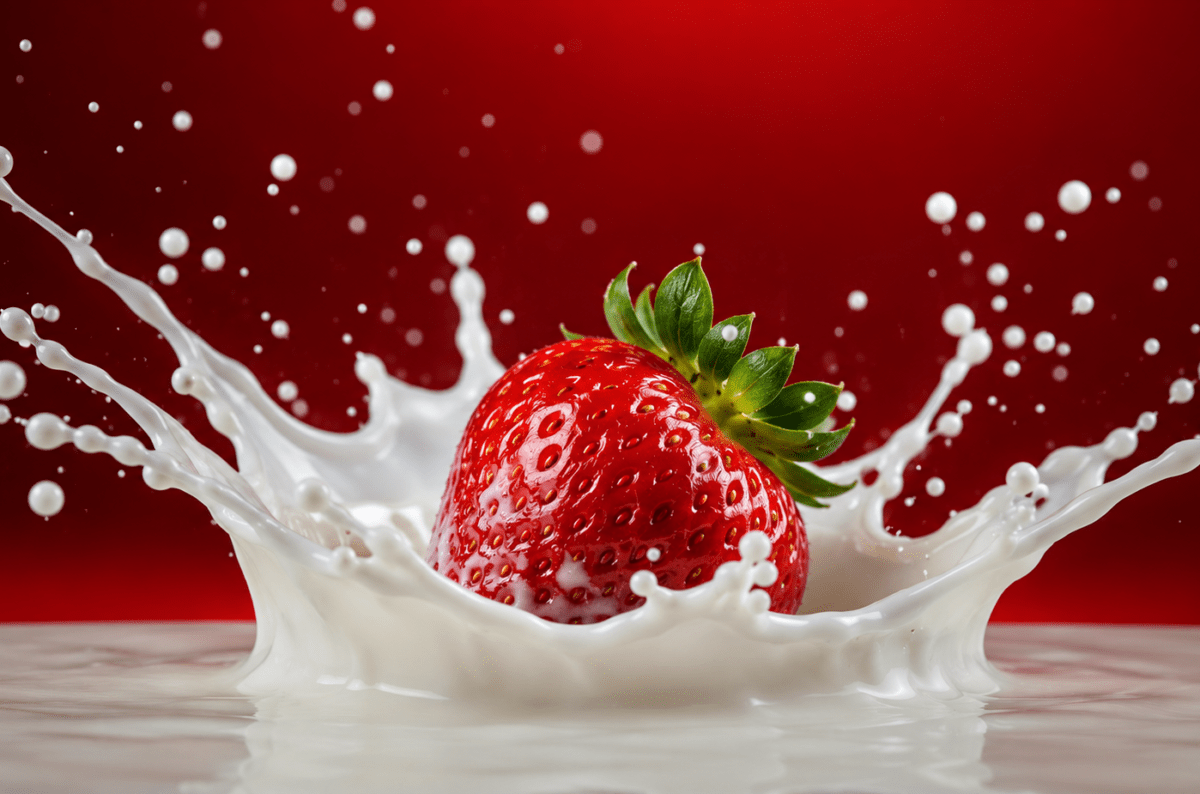
Modern beverage advertisements rely heavily on motion because movement creates stronger visual engagement. Splash shots, pouring sequences, slow-motion fizz, and floating ice effects are commonly used in beverage commercial production.
Movement helps advertisements feel energetic and immersive. During the beverage advertisement shoot, multiple takes are often required to capture the perfect liquid flow or splash moment.
These high-speed visual effects are especially popular in social media advertising where dynamic content performs better than static visuals.
Step 5: Lighting Techniques in Drink Photography Setup
Lighting is one of the most technical parts of a drink photography setup because beverages reflect and transmit light differently than food. Proper lighting helps highlight transparency, texture, and condensation without making the drink appear flat.
For transparent beverages, backlighting is commonly used to enhance colour and liquid clarity. In darker beverages such as coffee or cola, controlled highlights help define the glass shape and surface texture.
Professional beverage advertisement shoot teams spend significant time adjusting lighting because even small changes can completely alter the appearance of the beverage.
How Beverage Commercial Production Changed with Social Media
Social media platforms have transformed modern beverage commercial production significantly. Today’s advertisements are often designed specifically for reels, YouTube Shorts, and vertical mobile viewing.
Because of this shift, brands focus more on close-up visuals, liquid movement, fizz effects, and satisfying pour sequences. These modern cold drink styling trends help create stronger sensory engagement online.
Short-form video content has increased the importance of visually dramatic beverage shots that create instant attention within seconds.
Why Professional Beverage Advertisement Shoots Matter for Brands
Consumers often associate visual quality with product quality. A professionally executed beverage advertisement shoot helps products appear more premium, refreshing, and trustworthy.
Strong beverage visuals improve:
- advertisement engagement
- social media performance
- product recall
- click-through rates
- customer cravings
Professional beverage commercial production also helps brands maintain visual consistency across television, packaging, digital ads, and influencer campaigns.
The Role of Cold Drink Styling in Consumer Psychology
Visual cues strongly influence how people imagine flavour and refreshment. Condensation suggests coldness, fizz suggests freshness, and smooth pouring suggests richness. This is why cold drink styling directly affects consumer psychology.
Professional stylists use these visual triggers strategically during the beverage advertisement shoot process to create stronger emotional connection with viewers.
A visually satisfying drink often creates craving before the product is even tasted.
Final Thoughts
A professional beverage advertisement shoot is a combination of creative storytelling, technical precision, and advanced styling techniques. Every stage—from planning and drink photography setup to cold drink styling and motion capture—is carefully managed to create visually refreshing advertisements.
Modern beverage commercial production is no longer just about showing a drink—it is about creating a sensory visual experience that viewers instantly connect with emotionally.
As beverage advertising continues evolving across television and digital platforms, strong beverage styling and photography will remain one of the most powerful tools for attracting consumer attention and increasing brand engagement.