- May 15, 2026
AI Food Photography vs Real Food Styling: What Brands Prefer in 2026
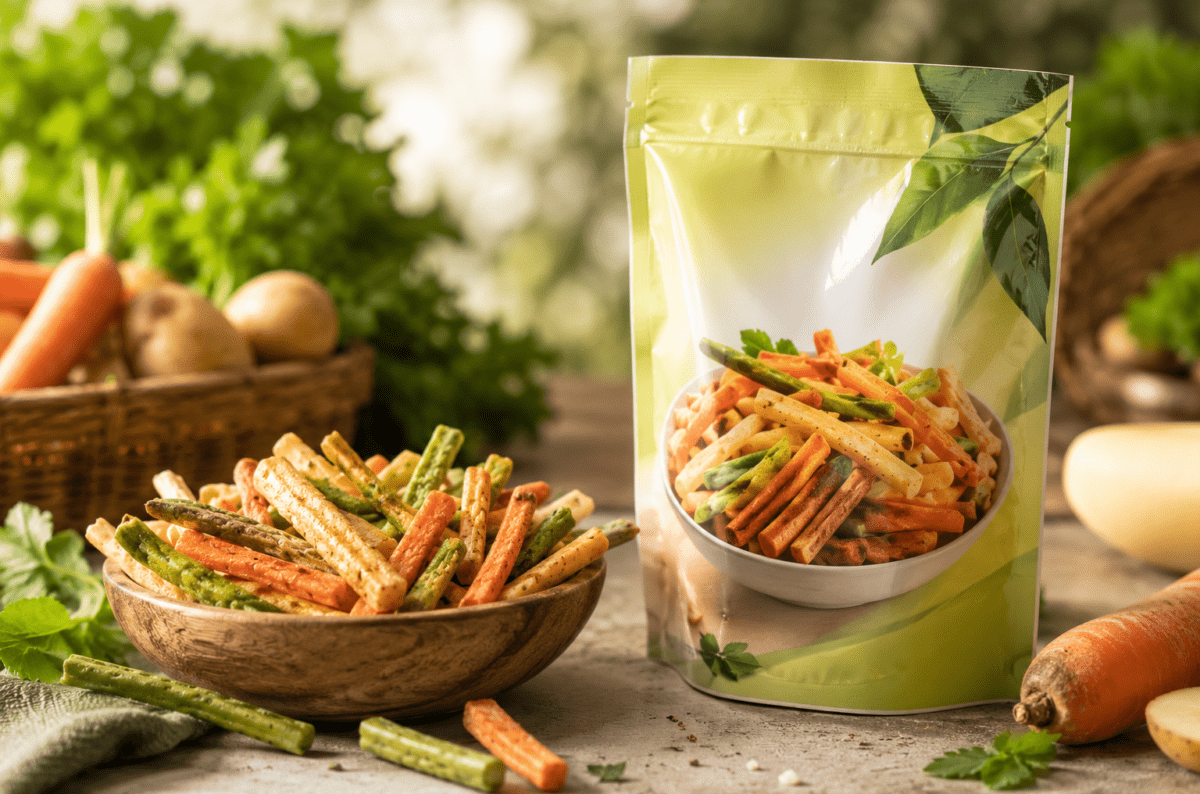
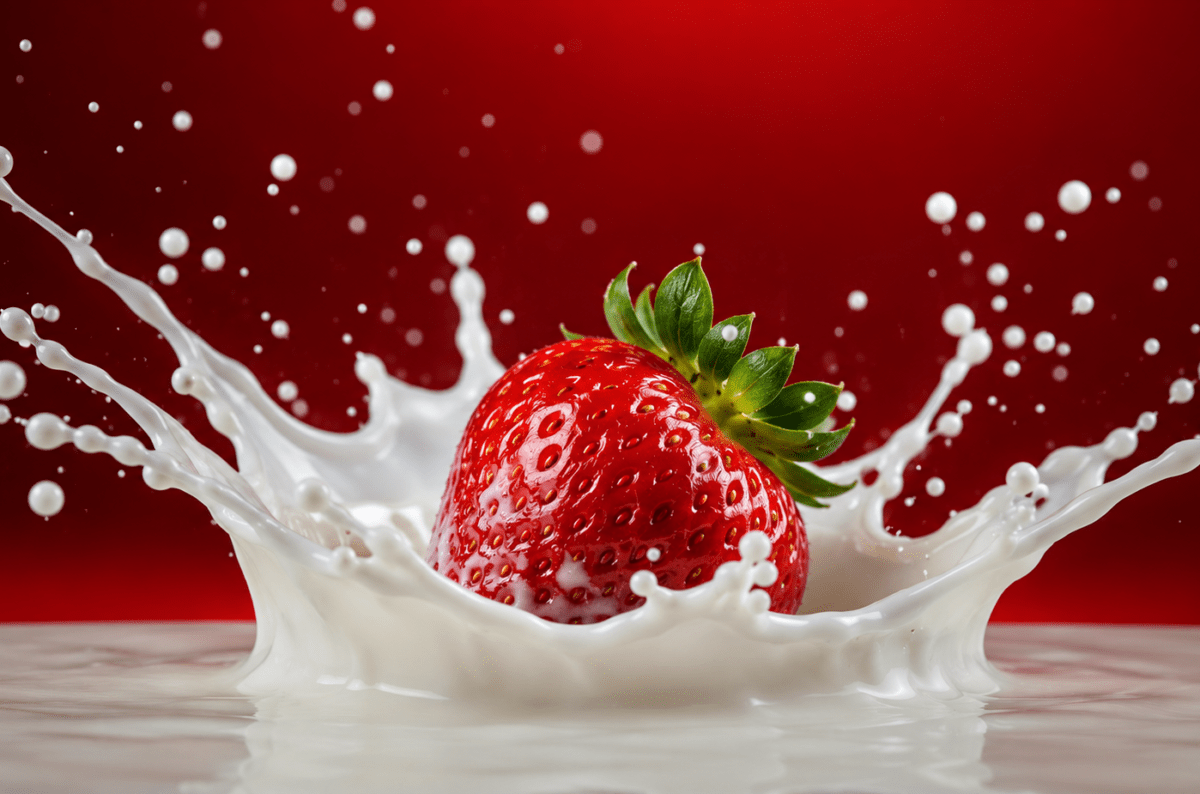
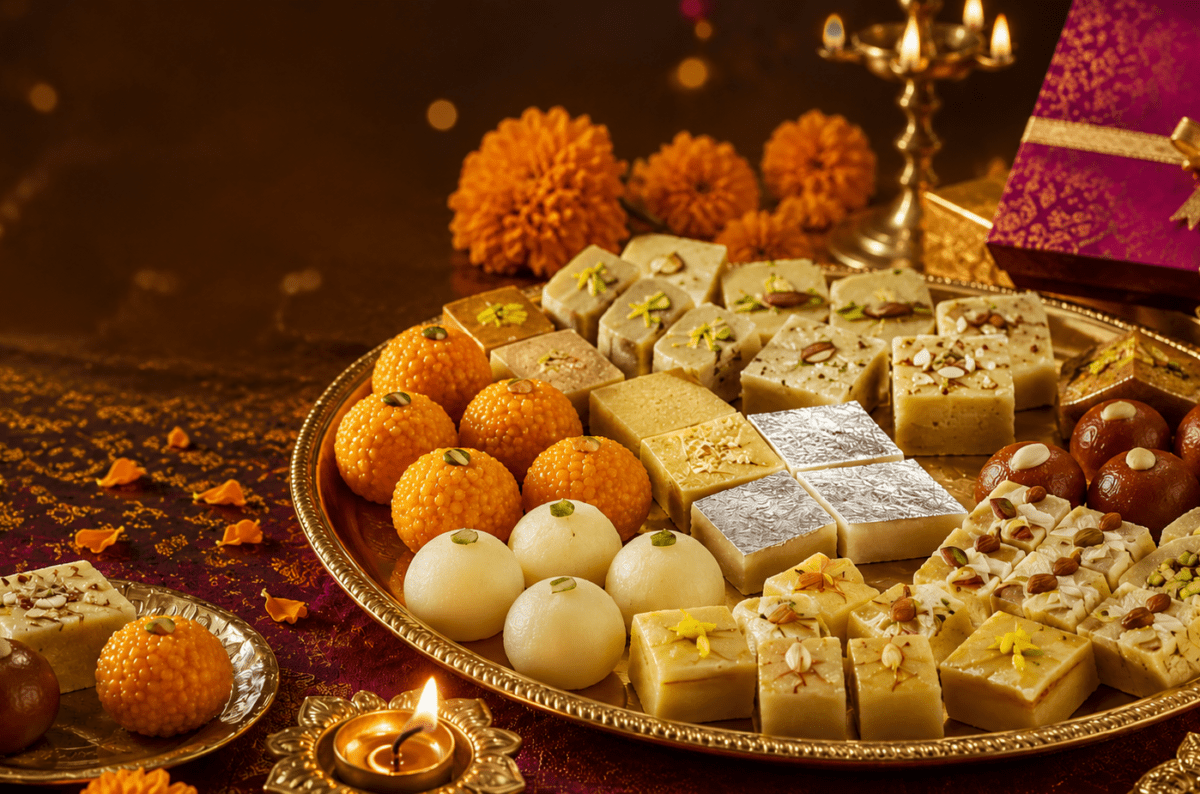
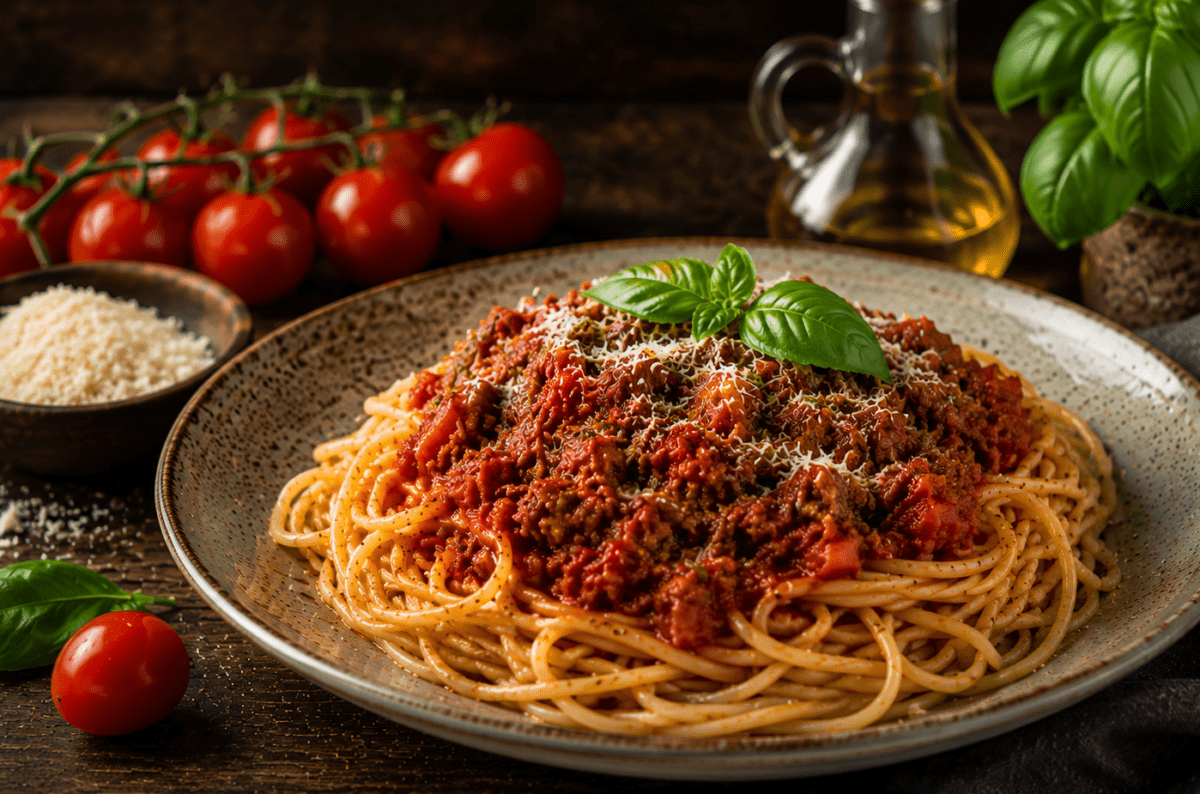
AI food photography has rapidly become one of the biggest discussions in the advertising and visual production industry. With artificial intelligence now capable of generating highly realistic food images, many brands are exploring whether AI-generated visuals can replace traditional food styling and photography. From burgers and desserts to beverages and packaged foods, AI tools are creating images that appear visually impressive within seconds.
However, despite the rise of automation, real food styling continues playing a major role in advertising and commercial campaigns. In 2026, brands are not simply choosing between technology and traditional production—they are carefully evaluating where each approach works best. The debate around AI food styling is now shaping the future of visual marketing, especially in industries where appetite appeal and authenticity directly influence consumer behaviour.
As digital content demand continues growing, the discussion around real food vs AI images has become one of the most important topics in modern commercial food photography trends.
Why AI Food Photography Became Popular So Quickly
The rapid growth of AI food photography is mainly driven by speed and convenience. AI tools can generate food visuals quickly without requiring physical shoots, large production teams, or studio setups. Brands can experiment with multiple concepts, colour palettes, and compositions within a short time.
For social media campaigns and quick marketing content, AI food styling offers flexibility that traditional shoots may not always provide. Smaller businesses and startups are especially interested in AI-generated visuals because of reduced production complexity.
The ability to instantly generate polished visuals is one of the biggest reasons why commercial food photography trends are increasingly influenced by AI technologies.
The Difference Between Real Food vs AI Images
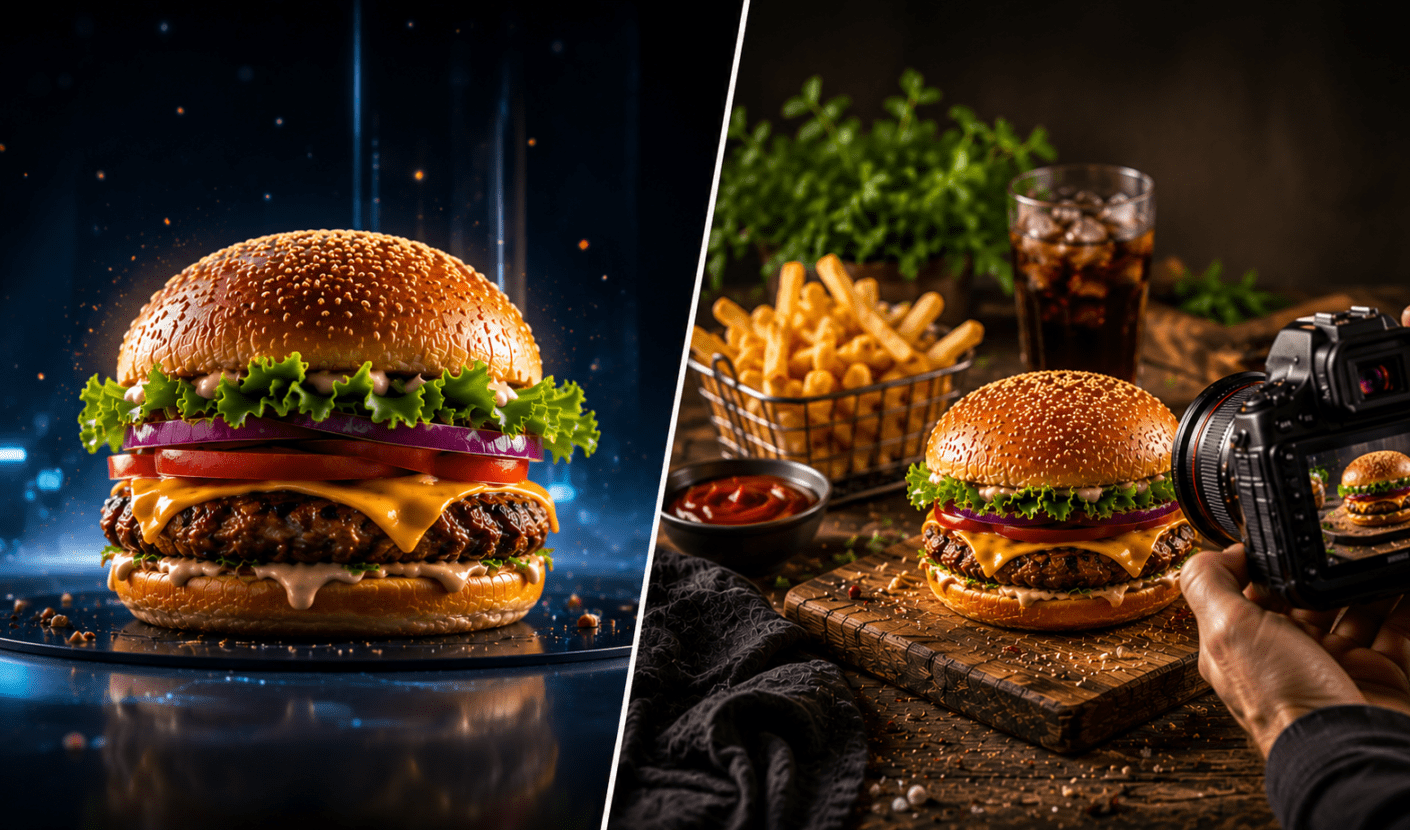
Although AI-generated visuals have improved significantly, there are still noticeable differences between real food vs AI images. Real food photography captures natural imperfections, authentic textures, and realistic lighting behaviour that audiences subconsciously recognize.
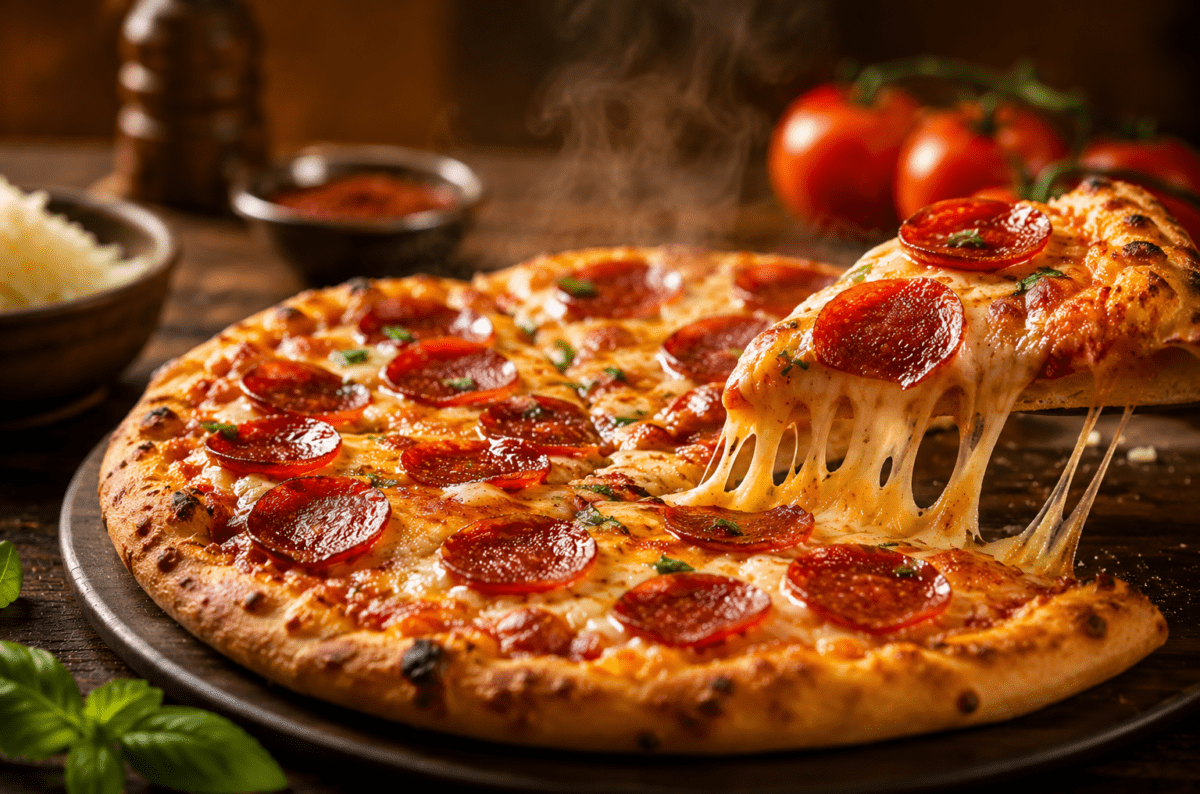
Professional food stylists understand how sauces move, how steam behaves, how cheese melts, and how texture changes under lighting. These natural details are often difficult for AI food photography to recreate perfectly.
While AI-generated visuals may appear visually attractive at first glance, many brands still prefer real food visuals when authenticity and emotional connection are important.
Why Real Food Styling Still Matters in 2026
Real food styling continues to dominate high-end advertising because viewers emotionally respond to authenticity. In industries like FMCG, restaurant marketing, and beverage advertising, real visuals often create stronger trust and appetite appeal.
Professional stylists use advanced techniques to create realistic textures, controlled movement, and emotional storytelling that feel natural to viewers. In the discussion around real food vs AI images, authenticity remains one of the biggest advantages of real food production.
Brands that rely heavily on sensory appeal often continue investing in traditional shoots despite the rise of AI food styling.
How AI Food Styling Is Changing Commercial Photography
Even though traditional styling remains important, AI food styling is significantly changing workflows in the advertising industry. Many creative teams now use AI for concept development, visual experimentation, mood boards, and pre-production planning.
AI tools help brands test different visual ideas before investing in a physical shoot. This hybrid approach allows agencies to improve efficiency while still maintaining the realism of professional food photography.
As a result, modern commercial food photography trends are increasingly combining AI-generated planning with real-world execution.
Advantages of AI Food Photography for Brands
There are several reasons why brands are experimenting with AI food photography in 2026:
- faster visual generation
- easier concept testing
- reduced production time
- flexible creative experimentation
- scalable content creation
For social media and digital campaigns that require high content volume, AI food styling provides speed and convenience that traditional workflows cannot always match.
This is especially useful for quick promotional campaigns where rapid visual production is more important than extreme realism.
Limitations of AI Food Styling in Advertising
Despite rapid improvements, AI food styling still has limitations when compared to real commercial photography. Food is highly texture-dependent, and viewers subconsciously notice unrealistic lighting, inconsistent ingredient structure, or unnatural reflections.
One of the biggest issues in real food vs AI images comparisons is emotional authenticity. Real food visuals often create stronger appetite response because they capture natural imperfections and realistic textures.
In premium advertising campaigns, luxury food branding, and television commercials, many brands still rely heavily on real food shoots because authenticity directly impacts consumer trust.
Commercial Food Photography Trends in 2026
Modern commercial food photography trends are increasingly focused on realism, movement, and emotional storytelling. Consumers now prefer visuals that feel authentic rather than overly polished or artificial.
This trend is influencing how both AI-generated visuals and traditional photography are created. Even AI-generated images are now designed to imitate natural lighting, slight imperfections, and realistic food behaviour.
In 2026, the strongest visual campaigns are often the ones that balance technical perfection with emotional realism.
Why Restaurants and FMCG Brands Still Prefer Real Food Shoots
Restaurants and FMCG brands often depend heavily on authenticity because customers expect the actual product to resemble the advertisement closely. This is why many brands remain cautious about relying entirely on AI food photography.
In restaurant marketing, delivery apps, and packaging campaigns, real food visuals create stronger trust and transparency. Customers are more likely to feel disappointed if the real product looks significantly different from AI-generated advertisements.
Because of this, many professionals in commercial food photography trends believe that real food styling will continue dominating high-conversion advertising campaigns.
The Hybrid Future: AI Food Photography + Real Food Styling
Instead of replacing traditional production entirely, many experts believe the future lies in combining both approaches. AI can assist with planning, ideation, and rapid content generation, while real food styling continues handling premium campaigns and emotionally driven advertising.
This hybrid workflow is already becoming common in commercial food photography trends. Brands use AI for creative experimentation while relying on real photography for hero campaigns and high-value content.
The discussion around real food vs AI images is gradually shifting from competition to collaboration.
Consumer Psychology and Trust in Food Advertising
Food advertising depends heavily on trust because viewers emotionally connect with what they see. Natural textures, realistic steam, imperfect sauce drips, and authentic ingredient behaviour all contribute to stronger emotional response.
This is one of the biggest reasons why many brands still value traditional photography despite advancements in AI food styling. Real food visuals often feel more believable and emotionally satisfying.
As audiences become more visually aware, authenticity may become even more important in future advertising.
Final Thoughts
AI food photography is rapidly changing how brands create visual content in 2026. Faster production, creative flexibility, and scalable content generation make AI an attractive option for many marketing teams.
However, the debate around real food vs AI images continues because authenticity, texture realism, and emotional connection remain essential in food advertising. While AI food styling is transforming workflows and influencing modern commercial food photography trends, real food styling still holds a major advantage in creating trust and appetite appeal.
The future of food advertising will likely combine the strengths of both technologies—using AI for efficiency and real food styling for emotional impact and realism.