- May 17, 2026
Food Photography Mistakes: Top Errors Brands Make in Food Advertisements
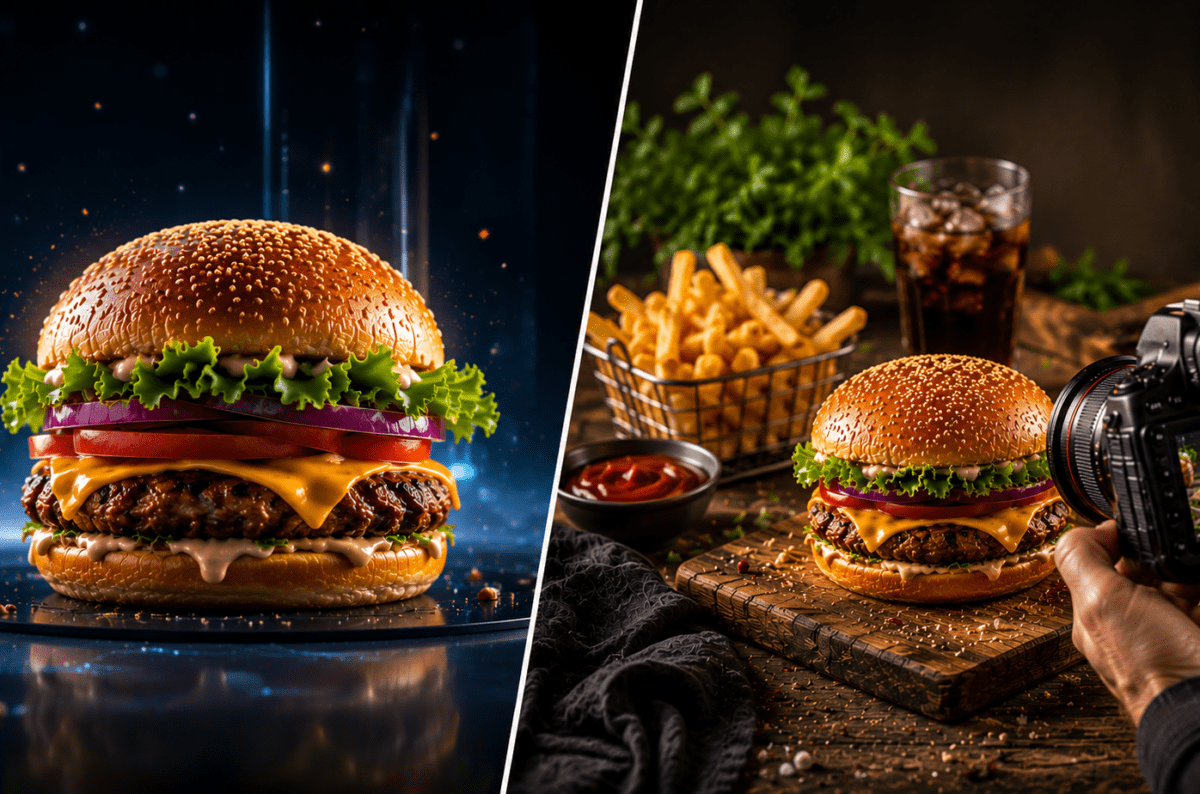
Food photography mistakes can significantly affect how customers perceive a product, especially in today’s digital-first advertising environment where visuals directly influence attention and purchasing decisions. In food advertising, even small errors in lighting, texture, composition, or styling can make a product appear unappetizing or low quality. Since consumers often judge food visually before tasting it, poor presentation can reduce engagement and negatively impact brand perception.
Many brands invest heavily in advertising campaigns but still overlook the importance of professional food styling and photography. Weak visuals often result in advertisements that fail to create craving or emotional connection. Whether it is a restaurant menu, packaged food advertisement, or social media campaign, avoiding common commercial food shoot errors is essential for creating effective food content.
As digital competition continues growing, understanding the most common food photography mistakes has become important for restaurants, FMCG brands, and food businesses across India.
Why Food Photography Mistakes Affect Brand Performance
Food visuals directly influence customer psychology. A visually satisfying dish can instantly create craving, while poor presentation can discourage engagement even if the actual product tastes good. This is why food photography mistakes often lead to weaker advertisement performance.
Consumers now interact with brands through delivery apps, social media, and online advertisements where visuals become the primary communication tool. Weak textures, poor lighting, messy plating, or unrealistic editing can make food appear artificial and less trustworthy.
Many bad food ads fail not because of the product itself but because the visuals fail to communicate freshness, texture, or flavour effectively.
Mistake 1: Poor Lighting in Commercial Food Shoots
One of the most common commercial food shoot errors is poor lighting. Lighting determines how textures, colours, and freshness appear on camera. If lighting is too harsh, food can look oily or flat. If it is too dark, details become unclear and unappetizing.
Professional food photography uses controlled lighting to enhance texture and create visual depth. Soft highlights, balanced shadows, and natural colour tones help food appear fresher and more realistic.
Many food photography mistakes happen when brands rely on random lighting setups instead of creating visuals specifically designed for food products.
Mistake 2: Overediting and Unrealistic Retouching
Another major issue in bad food ads is excessive editing. Over-saturated colours, unrealistic shine, artificial steam, or overly smooth textures can make food appear fake.
Modern consumers are highly visually aware and can quickly recognize overedited food visuals. While editing is important for refinement, excessive retouching often removes realism and emotional connection.
One of the best restaurant photography tips is maintaining authenticity while enhancing visual quality. Food should still feel natural and believable after editing.
Mistake 3: Ignoring Texture and Freshness
Texture is one of the strongest appetite triggers in food advertising. Crispy foods should appear crunchy, beverages should look refreshing, and desserts should feel smooth and indulgent.
Many food photography mistakes happen when brands fail to preserve texture during the shoot. Dry burgers, soggy fries, melted desserts, or flat noodles immediately reduce visual appeal.
Professional food stylists carefully manage texture, moisture, steam, and freshness throughout the shoot to avoid these commercial food shoot errors.
Mistake 4: Overcrowded Composition and Styling
Another common problem in bad food ads is overcrowding the frame with too many props, garnishes, or decorative elements. When the composition becomes cluttered, the actual food loses focus.
Professional food photography focuses on guiding viewer attention toward the hero product. Clean compositions and balanced spacing help create stronger visual clarity.
One of the most important restaurant photography tips is understanding that simplicity often creates stronger impact than excessive decoration.
Mistake 5: Poor Mobile Optimization
Most food content today is viewed on smartphones through apps, reels, and social media. However, many brands still create visuals without considering mobile viewing behaviour.
This is one of the most overlooked food photography mistakes in modern advertising. Images that appear visually balanced on large screens may look unclear or cluttered on mobile devices.
Professional photographers now create compositions specifically optimized for mobile platforms to avoid these commercial food shoot errors.
Mistake 6: Using Generic Stock-Style Visuals
Consumers are increasingly attracted to authenticity and originality. Generic visuals that feel artificial or overly staged often perform poorly compared to realistic food photography.
Many bad food ads fail because the visuals lack personality and emotional connection. Modern audiences prefer visuals that feel natural, warm, and relatable rather than excessively commercial.
Strong food photography should reflect the brand’s identity and create a memorable visual experience.
Mistake 7: Weak Colour Balance
Colour directly affects appetite perception. Poor colour correction can make food appear dull, overcooked, or unnatural.
One of the biggest food photography mistakes brands make is ignoring colour harmony during the shoot and editing process. Warm food tones should feel inviting, while beverages and desserts should maintain freshness and richness.
Professional photographers carefully control colour tones to improve visual consistency and avoid unnatural-looking results.
Mistake 8: No Clear Hero Focus
In successful food advertising, the viewer should instantly understand what the main product is. Many commercial food shoot errors happen when there is no clear focal point in the frame.
Too many competing elements can confuse viewers and weaken the advertisement. Strong compositions use lighting, depth, and placement to direct attention toward the hero dish or product.
One of the best restaurant photography tips is ensuring that the main product dominates the visual hierarchy clearly.
Mistake 9: Inconsistent Branding Across Platforms
Many brands use completely different visual styles across menus, social media, websites, and advertisements. This inconsistency weakens brand identity and customer recognition.
Professional food photography should maintain visual consistency across all platforms. Consistent lighting, styling, colour palette, and composition help strengthen branding.
Avoiding these food photography mistakes helps create stronger customer trust and long-term visual identity.
Mistake 10: Underestimating Professional Food Styling
Perhaps the biggest mistake brands make is assuming food photography is simply about taking pictures of dishes. In reality, professional styling plays a major role in creating appetite appeal.
Professional food stylists understand how to manage texture, freshness, steam, movement, and composition during the shoot. Without this expertise, many advertisements fail to create emotional response.
This is why brands investing in professional photography and styling often outperform competitors relying on casual visuals.
Why Restaurant Photography Tips Matter for Business Growth
Strong visuals directly impact customer engagement, especially for restaurants and delivery platforms. Professional restaurant photography tips help businesses improve:
- menu engagement
- online orders
- social media performance
- customer trust
- brand perception
As online food discovery continues growing, visual quality becomes increasingly important for attracting and retaining customers.
Final Thoughts
Avoiding common food photography mistakes is essential for creating effective food advertisements and restaurant visuals. From lighting and composition to texture and mobile optimization, every visual detail influences how consumers perceive the product.
Many bad food ads fail not because of poor products but because of weak presentation and avoidable commercial food shoot errors. Professional food styling and photography help brands create stronger emotional connection, improve engagement, and increase customer trust.
As digital marketing continues evolving, restaurants and food brands that invest in high-quality visuals and follow professional restaurant photography tips will continue gaining a strong competitive advantage.