- January 30, 2026
Why Not All ‘Aesthetic’ Food Feels Appetizing
When Beautiful Doesn’t Mean Edible
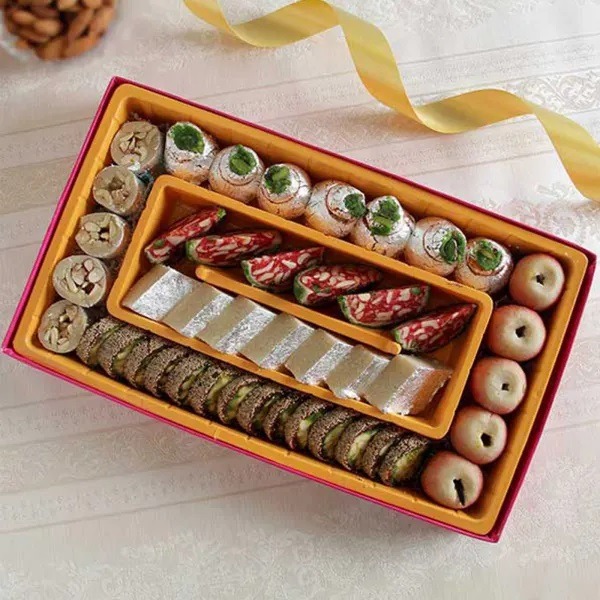
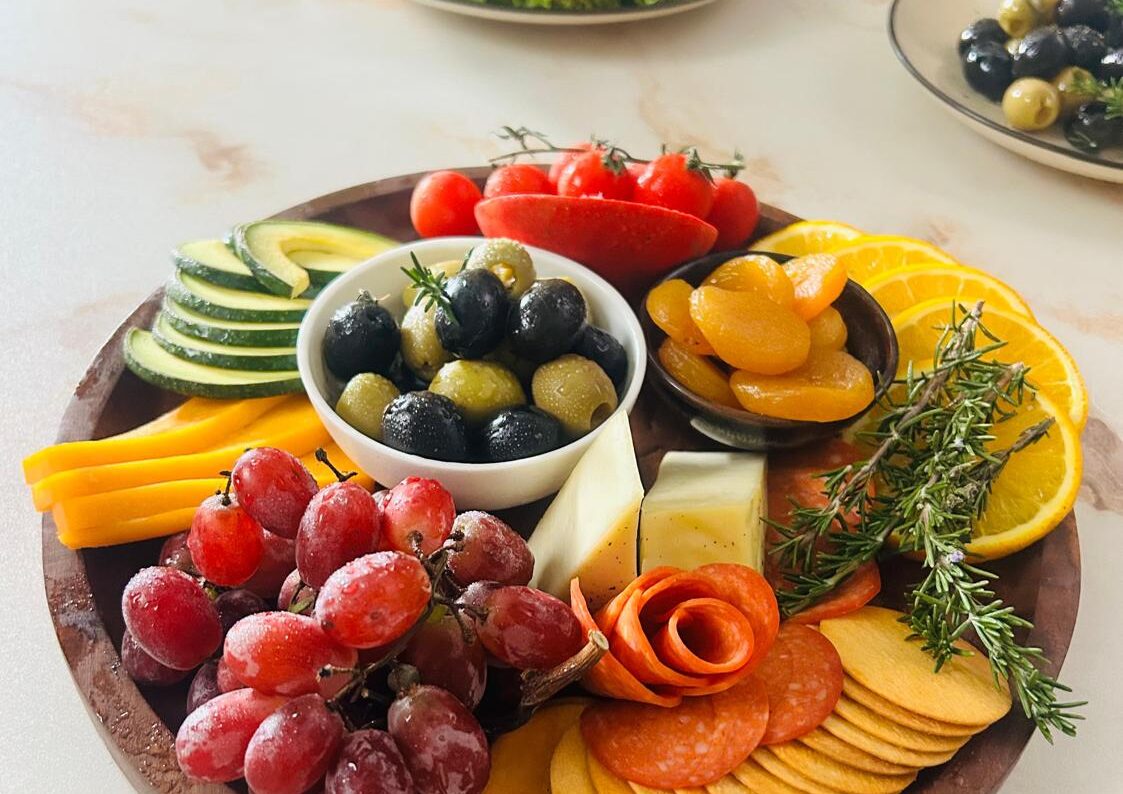
As a food stylist, I see this often—food that looks visually perfect, styled carefully to fit a certain aesthetic, yet somehow doesn’t make you hungry. It may be clean, minimal, color-coordinated, and technically beautiful, crafted to look flawless on camera, but it fails to spark appetite or curiosity. You admire it, maybe even save the image, yet you don’t imagine taking a bite. That’s because aesthetics and appetite are not the same thing. Aesthetics appeal to the eye, while appetite is triggered by the senses. Appetite looks for warmth, texture, freshness, and subtle imperfections that signal real food. When styling focuses only on visual harmony and ignores these cues, the food may look impressive—but it stops feeling edible.
When Aesthetic Food Doesn’t Feel Appetizing
Aesthetic food is often designed to look calm, curated, and visually pleasing. Every element is controlled, balanced, and composed to create a sense of visual harmony. But while this kind of beauty satisfies the eye, appetite needs more than visual order. It responds to sensory signals — warmth, freshness, texture, and a sense of indulgence that suggests the food is meant to be eaten, not just observed.
When those cues are missing, the food may look impressive, even admirable, but it doesn’t feel inviting. The eye pauses, appreciates the image, and moves on. The appetite, however, remains untouched — waiting for something that feels alive, comforting, and real.
How to Make Aesthetic Food Feels Appetizing
Over-styling can sometimes strip food of its life. Perfect symmetry, excessive cleanliness, and overly controlled compositions can make a dish feel distant—almost like an object to be observed rather than something meant to be eaten. When every element is too precise, the food loses the warmth and spontaneity that naturally invite appetite. Food needs a sense of movement, softness, or gentle imperfection to feel real. A slightly uneven edge, a natural drip, or a relaxed placement reminds the viewer that the food is fresh, touched, and ready to be enjoyed. Without these cues, a dish may fit an aesthetic perfectly—but it doesn’t feel approachable.
Appetite Is Triggered by Texture, Not Trends
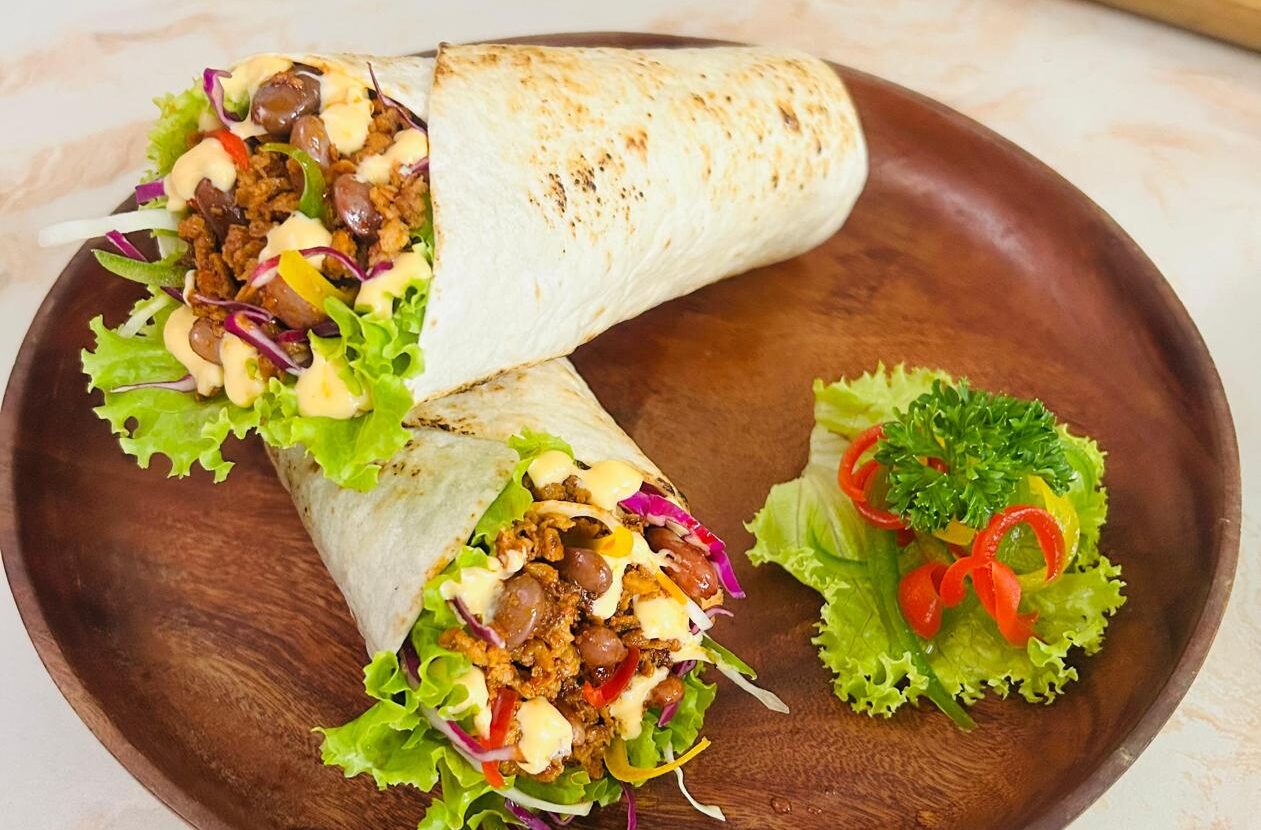
Trends change quickly. Appetite doesn’t. Visual styles come and go, but the way the human brain responds to food remains largely the same. Appetite is driven by instinct and memory, not by what is fashionable at the moment. While trends may influence how food is presented, they don’t redefine what makes food feel comforting, satisfying, or worth eating. Glossy sauces, visible crumbs, gentle steam, natural cracks, and layered textures are the cues the brain relies on to recognize food as edible and desirable. These details suggest warmth, freshness, and immediacy. When styling prioritizes trend over texture, food can lose its sensory pull and start feeling flat or distant. What looks striking on a mood board or screen doesn’t always translate into what genuinely makes someone hungry.
The Balance Between Control and Comfort
There’s a fine line between intentional and over-controlled. A well-styled plate still needs to feel human—touched, cooked, and served, not staged or frozen in place. When every element is tightened too much, the food begins to lose its warmth. Too much control removes comfort, and comfort is essential for appetite because it makes food feel familiar, safe, and inviting. The most appetizing food often feels effortless, even though a great deal of thought, restraint, and experience goes into creating that feeling. The goal is not to show the work but to let the food breathe. When styling is done with sensitivity, the dish feels natural and alive—and that quiet ease is what draws people in.
Styling With Appetite in Mind
For me, food styling is not about chasing aesthetics alone. It’s about understanding how the brain responds to visual cues and making sure the dish still feels edible, warm, and inviting. Styling should never distract from the food itself. It should enhance what is already there — the freshness, the texture, the intention behind the dish — so that the viewer can immediately imagine the experience of eating it.
Aesthetic matters, but appetite matters more. When styling respects both, food doesn’t just look good — it feels right. It creates a quiet pull, a sense of anticipation, a moment where the viewer pauses and imagines the taste before the bite even happens. That balance is what turns a beautiful image into a truly appetizing one, and it’s what makes someone want to take the next bite.
Final Thought
Not all beautiful food feels appetizing because beauty can be passive—while appetite is emotional and sensory. The goal of food styling isn’t to impress the eye alone, but to quietly invite the senses in. When food feels alive, aesthetics becomes appetite.