- December 15, 2025
Styling Indian Sweets for Festive Campaigns: Celebrating Tradition Through Visual Storytelling
Indian sweets are more than desserts — they are symbols of celebration, gratitude, faith, and togetherness, deeply woven into the fabric of Indian culture. From sweets offered during prayers and festivals to beautifully packed mithai boxes exchanged with family, friends, and neighbors, these treats mark moments of joy, blessings, and connection. Every festival, ritual, and celebration feels incomplete without something sweet to share.
Styling Indian sweets for festive campaigns is therefore not just about presentation or visual appeal; it is about capturing emotion, tradition, and joy through thoughtful visuals. The textures, colors, and arrangements must reflect warmth, abundance, and cultural authenticity.
Every sweet carries a story — of festivals celebrated year after year, rituals passed down through generations, childhood memories, and moments shared around a table. A successful festive shoot brings those stories to life, creating visuals that feel familiar, celebratory, and emotionally resonant.
Why Indian Sweets Are Unique to Style
Unlike everyday desserts, Indian sweets require cultural sensitivity, technical care, and emotional understanding. Each mithai carries its own texture, symbolism, and regional identity. A modak represents devotion, a box of Diwali mithai represents generosity, and festive sweets often hold memories beyond taste.
Styling Indian sweets is therefore about balancing:
- Warmth and celebration
- Abundance and generosity
- Rich textures and vibrant colors
- Cultural authenticity
The real challenge lies in celebrating festivity without over-decorating — letting the sweets feel joyful, not staged.
Understanding the Festival Emotion
Every festive campaign begins by identifying the emotion of the festival, because that emotion drives every visual decision.
- Diwali visuals demand richness, glow, and abundance
- Ganesh Chaturthi requires devotion, simplicity, and warmth
- Eid calls for elegance, softness, and sharing
- Raksha Bandhan focuses on love, gifting, and bonding
Lighting, colors, props, and composition are all aligned with the spirit of the festival, ensuring the visuals feel culturally correct and emotionally relevant.
Choosing & Styling the Right Sweets
Not all Indian sweets behave the same on camera. Some melt quickly, some dry out, while others lose shine under studio lights. Each variety needs a different styling approach.
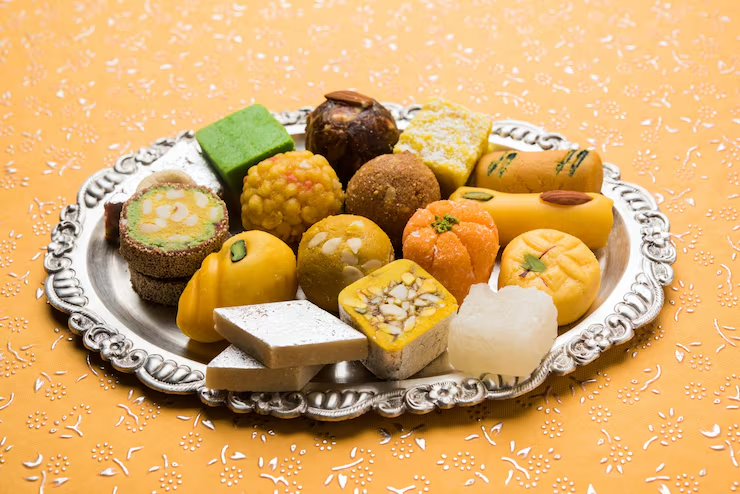
Popular festive sweets like laddoos, modaks, barfis, jalebis, pedas, and Mysore Pak are styled individually first, focusing on shape, texture, and surface quality, before being grouped together. This ensures consistency and visual harmony in the final frame.
Texture, Freshness & Visual Richness
Indian sweets depend heavily on visual richness. A dry or dull-looking mithai can instantly break the festive mood.
To maintain freshness and appeal:
- Natural shine is restored using light ghee or sugar syrup
- Temperature is carefully controlled to avoid sweating or cracking
- Shapes are gently adjusted to preserve structure
- Lighting is used strategically to enhance texture and depth
Fresh pieces are often replaced throughout the shoot to keep the visuals festive and inviting till the final frame.
Creating the Feeling of Festive Abundance
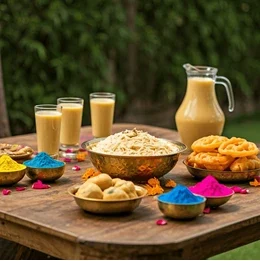
Festivals are about sharing, and the visuals must reflect that generosity. Instead of minimal plating, festive styling embraces:
- Layered arrangements
- Overfilled plates and boxes
- Open sweet boxes showing variety
- Slight overlaps for a natural, served look
The goal is to make the sweets feel ready to be shared, not just photographed.
Props & Emotion: Completing the Story
Props are used to support the story — never overpower it. Brass plates, wooden trays, festive fabrics, diyas, or flowers add context while keeping the mithai as the hero.
Emotion is added through lived-in details:
- A hand reaching for a sweet
- A partially opened box
- Syrup drips or crumbs
- Shared plates instead of single portions
These small touches transform a styled setup into a real festive moment.
Challenges in Festive Sweet Styling
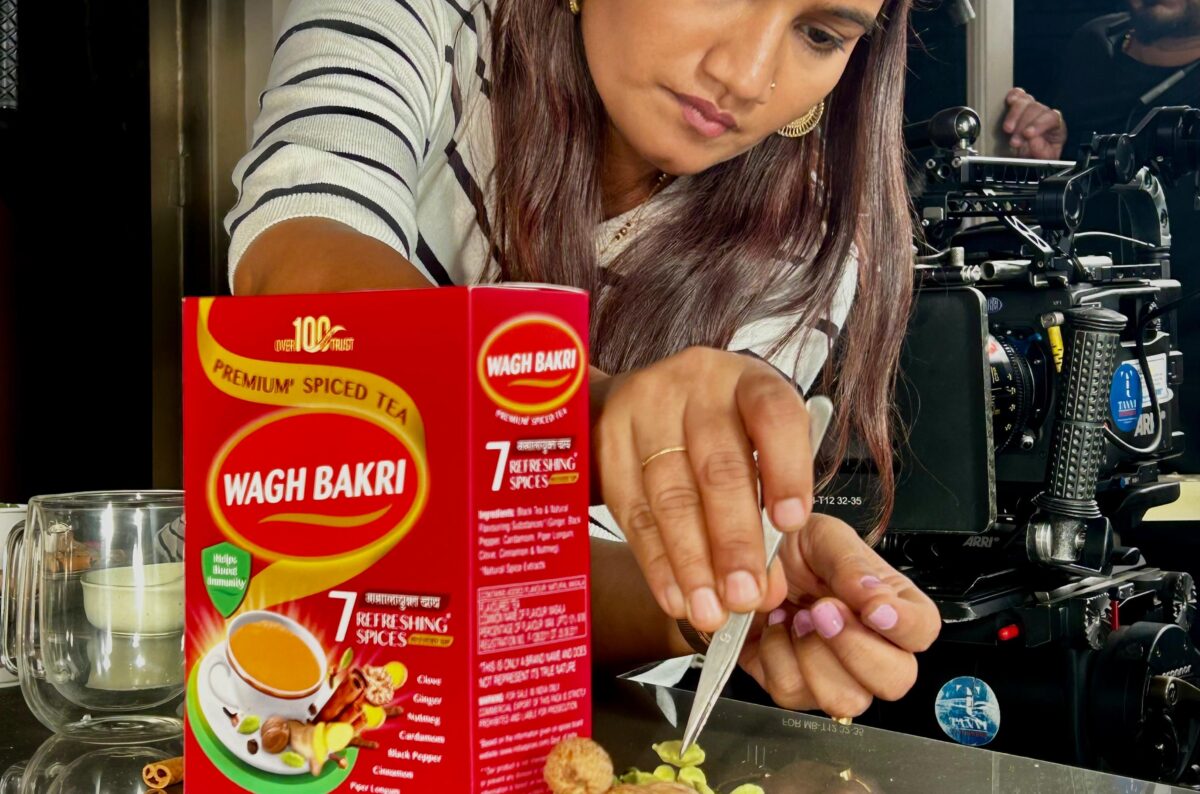
Styling Indian sweets comes with real, unavoidable challenges, especially during festive shoots where time, heat, and lighting work against the food:
• High sugar content reacts quickly under lights
Most Indian sweets contain sugar, jaggery, or syrup, which start reacting the moment studio lights hit them. Surfaces become sticky, syrup begins to bleed, and textures lose definition. A food stylist constantly monitors this and refreshes pieces or replaces them before they start looking heavy or messy.
• Colors fade or darken if not managed properly
Natural ingredients like saffron, milk solids, nuts, and ghee change color under heat and light. Barfis can lose their brightness, laddoos can dull, and jalebis can darken quickly. Proper lighting control, rotation of sweets, and timely replacement are crucial to maintain the festive color palette.
• Shapes soften over time
Modaks lose their sharp ridges, pedas flatten, and laddoos start to sag as moisture builds. This makes structure control essential. Sweets are handled minimally, reshaped gently, and swapped frequently to keep them looking fresh and well-defined.
• Seasonal heat affects texture and gloss
Festive campaigns often happen in warm weather, which impacts milk-based sweets the most. Ghee separates, sugar sweats, and surfaces lose gloss. Temperature management, cooling intervals, and working in short bursts help preserve the visual appeal.
A professional food stylist anticipates these challenges well in advance. By planning multiple backups, controlling timing carefully, and using precise styling techniques, the final visuals stay authentic, fresh, and celebration-ready — even under demanding shoot conditions.
Final Thoughts
Styling Indian sweets for festive campaigns is about honoring tradition while creating visual joy. It demands technical precision, cultural sensitivity, patience, and a deep understanding of emotion — because every sweet carries meaning beyond taste. The role of a food stylist is to respect that heritage while presenting it in a way that feels warm, abundant, and celebratory.
When done right, festive mithai visuals don’t just sell sweets — they celebrate memories, rituals, and togetherness. They remind people of home, of festivals filled with laughter and prayers, and of the simple happiness that comes from sharing something sweet with loved ones.
Because in India, sweets are never just desserts —
they’re a celebration of life itself.