- February 11, 2026
Styling Holi Sweets Without Losing Their Traditional Charm
Tradition Comes Before Styling
When it comes to Holi sweets, tradition always leads. These are not simply festive dishes placed on a plate — they are deeply tied to memory, ritual, and shared experience. Gujiya lightly dusted with sugar, bowls of thandai passed from hand to hand, laddoos exchanged between friends with colour-stained palms — these moments are already rich with meaning before any styling begins.
As a food stylist, my first instinct is never to modernize, reinvent, or visually polish these sweets beyond recognition. Instead, it is to pause and understand what they already carry. Styling, in this context, should feel respectful and restrained. It should quietly support tradition, preserving the familiarity and comfort people associate with these foods. The goal is not to compete with heritage, but to let it shine — enhancing what already exists without taking attention away from its cultural soul.
Let Familiarity Do the Work
Holi sweets are already loved, deeply and instinctively. They don’t need reinvention or dramatic visual updates — they need sensitivity and understanding. Their familiar shapes, textures, and small imperfections are what make them comforting and festive. These details carry nostalgia, reminding people of celebrations, homes, and moments shared over years.
Over-refining these sweets can quietly strip away that warmth, making them feel distant or overly styled. Sometimes, a gujiya that’s slightly uneven or a laddoo that isn’t perfectly round does more to trigger appetite than something flawless. These imperfections signal that the food is handmade, touched, and real — and that sense of authenticity is what truly makes festive food inviting.
Color Without Chaos
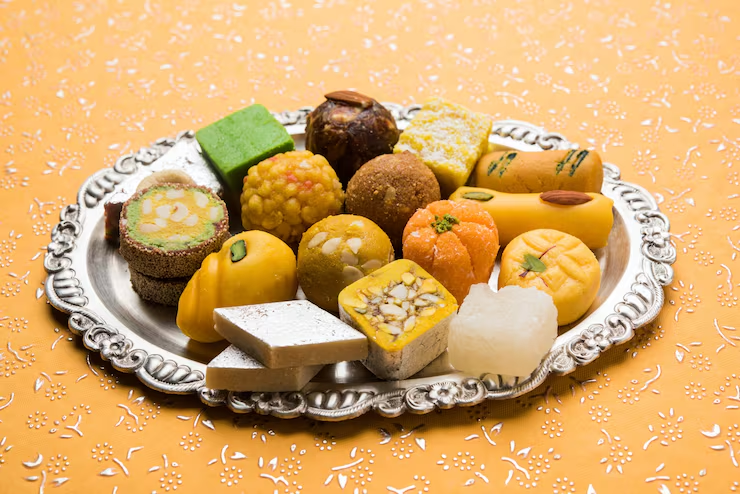
Holi is a festival of color, but food styling doesn’t need to mirror powdered gulaal literally. Instead of overwhelming the frame with loud, competing hues, I prefer to let the natural colors of the food lead the story. The golden fry of a gujiya, the creamy tones of malai, and the soft browns of nuts and khoya already carry warmth, richness, and familiarity that feel festive without feeling forced.
Color in food styling should feel intentional and balanced, not excessive. Festive accents work best when they gently frame the dish rather than compete for attention. When color is used with restraint and purpose, the food remains the focus — appetizing, grounded, and visually comforting, while still reflecting the joyful spirit of Holi.
Texture Is Where Appetite Lives
Powdered sugar settling naturally, chopped nuts scattered loosely, a slight crack in a sweet — these small, imperfect details quietly signal freshness and edibility. Texture reassures the brain that the food is real, freshly prepared, and meant to be enjoyed. It invites the viewer to imagine touch, softness, and bite, shifting the response from visual appreciation to sensory anticipation.
For Holi sweets especially, texture keeps the visuals grounded in comfort and familiarity. These tactile cues recall handmade preparation, festive kitchens, and the warmth of sharing food during celebration. When texture is allowed to remain visible and unpolished, the sweets don’t just look festive — they feel approachable, comforting, and genuinely appetizing, just as they’re meant to be.
Styling That Feels Shared, Not Staged
Holi is a deeply social celebration, and the food should reflect that same sense of togetherness. Perfectly aligned plates or untouched arrangements can feel distant. Instead, I look for cues that suggest sharing — plates that appear slightly disturbed, bowls that feel reached into, and sweets arranged casually rather than with strict symmetry. These details make the scene feel lived-in rather than staged.
When food looks shared, it becomes inviting. It tells a story of people gathered around, of hands reaching in, of moments enjoyed rather than preserved. This sense of movement and interaction brings warmth to the frame and makes the viewer feel welcome — as if there’s a place for them at the table.
Holding Onto the Soul of the Festival
For me, styling Holi sweets is always about balance — honoring tradition while presenting it with care and intention. The goal is never to make festive food look trendy or reinterpret it beyond recognition. Instead, it’s about preserving the feeling people already associate with these sweets — the warmth of home kitchens, the comfort of familiar flavors, and the quiet joy of sharing food during celebration.
Holi food carries more than flavor; it carries memory, culture, and emotion passed down through generations. When styling respects that deeper meaning, the visuals stay honest and rooted. Tradition doesn’t need to be redesigned or modernized — it needs to be understood, respected, and gently highlighted, so its spirit remains intact while the food continues to feel authentic, joyful, and inviting.
Final Thought
Holi sweets carry emotion before they carry color. They represent celebration, togetherness, and memories built over time. When styling respects that emotion, the visuals stay true to the festival — vibrant without excess, familiar without feeling ordinary, and deeply comforting in a way that feels honest and lasting.
When tradition leads and styling follows with sensitivity, festive food doesn’t just look beautiful. It feels meaningful — just as Holi is meant to feel.
Strong CTA
If you want festive food that feels authentic, appetizing, and true to its roots — food that carries tradition while still feeling beautifully presented — let’s create it together.