- December 3, 2025
The Art of Indian Thali Styling: Turning Tradition into Visual Stories
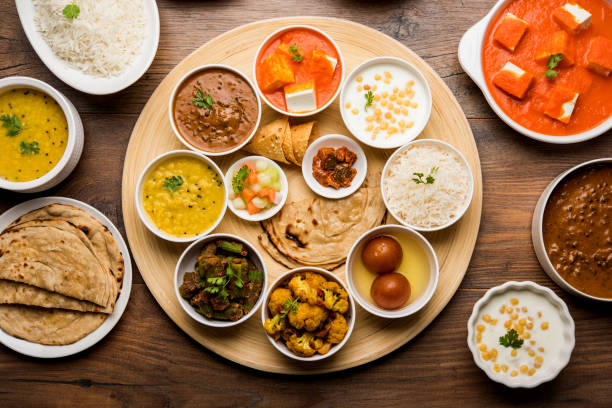
Indian thali styling food has a long history and abundant culture behind the recipes; there are many different stories to tell about Indian cuisines and the cooking process (the preparation and cooking techniques) used in India. In this article, I want to focus on the “thali” that is synonymous with Indian food and represents the true essence of Indian cuisine. Thali is a round, flat tray made from brass, copper, or other metals. It is typically filled with multiple items that create a balanced meal. The array of dishes found on a thali is a representation of all the different flavours, textures, and aromas that are found throughout Indian cooking.
The two most notable characteristics of a thali are its abundance (number of items) and the variety of flavour combinations. On a thali, you will find everything from rich, slow-cooked gravies to fluffy, fragrant rice to crunchy sides to tangy chutneys to sweet final touches. The goal of preparing a “thali” is not to create an idealised picture of the perfect meal; it is to create a sense of balance, abundance, sustenance, and warmth. There are similar types of “thalis” throughout India, giving each person who eats from them the opportunity to find something that appeals to them based on their specific tastes and feelings.
The presentation style of a “thali” is not about creating a perfectly plated meal with symmetrical servings. Rather, you should focus on achieving authenticity (what you would cook at home for your family), capturing the emotion (love) that goes into cooking (and serving) this dish (as opposed to serving a photo-graphic image of the food itself). The style that you should strive to create is one that makes you feel comfortable, familiar, and real, as if the food was placed on your dining table by your father or mother. It is this honest, homestyle approach to presenting the food that makes this style of presenting “thali” resonate so deeply with viewers and have such emotional appeal.
What Makes Indian Thali Styling Unique?
Unlike single-dish food styling, a thali involves multiple dishes styled together. Each element has its own color, texture, and personality, yet everything must come together harmoniously in one frame.
A well-styled Indian thali should feel:
- Abundant, not overcrowded
- Traditional, not over-styled
- Balanced, not chaotic
- Homely, not restaurant-perfect
This is where professional food styling plays a crucial role — making a complex plate look inviting, natural, and emotionally relatable.
Step 1: Crafting the Visual Story of an Indian Thali
Before placing even a single dish on the plate, careful planning is essential. Indian thali styling begins with understanding visual flow — how the eye moves across the platter and how each element supports the overall story.
Color Balance
Indian food is naturally vibrant, but without thoughtful placement, those colors can overwhelm the frame. Red gravies, yellow dals, green chutneys, white raita, and golden breads are positioned intentionally so they complement rather than compete with each other. Contrasting hues are placed side by side to keep the thali visually lively, balanced, and dynamic instead of flat or cluttered.
Texture Variation
Texture is what brings depth and realism to a thali. Crunchy papad placed next to soft rice, creamy sabzi paired with crisp puris, and smooth desserts balancing spicy gravies create visual and sensory contrast. This variation keeps the platter interesting and is what makes an Indian thali photograph beautifully.
Serving Ware Selection
The choice of serving ware defines the mood of the entire frame:
- Brass thalis create a rich, festive, almost royal feel
- Steel plates evoke nostalgia and everyday homely warmth
- Banana leaves instantly add South Indian authenticity
Serving ware is always selected based on the story the brand wants to tell — traditional, festive, regional, or homestyle.
Portion Styling
A thali should look generously served, never calculated. Small bowls filled with care look more inviting than large bowls half-empty. Slight domes in rice, full katoris, and naturally layered breads help create a sense of abundance, warmth, and comfort.
Step 2: Styling Individual Dishes with Intention
Every dish in a thali is styled individually — like a hero — before being brought together as one harmonious platter.
Dal Tadka
Fresh ghee swirls, vibrant tadka drizzles, and last-minute coriander add shine and freshness. Timing is critical, as dal absorbs oil quickly under studio lights, so final touches are always done just before the shot.
Sabzi & Curries
Paneer and vegetable dishes require careful handling to avoid looking dull or heavy. Light oil brushing restores freshness, while ginger juliennes, cream trails, and kasuri methi add both color and aroma without overpowering the dish.
Rice
Rice is fluffed gently by hand — never pressed or compacted. A subtle touch of ghee enhances shine and keeps each grain looking soft, separate, and inviting.
Rotis & Puris
Rotis lose softness quickly, so butter is applied moments before shooting. Puris are kept warm and lightly wrapped between shots to maintain puff, texture, and freshness.
Pickles & Chutneys
Though small in quantity, pickles and chutneys play a huge visual role. Their bold colors add instant contrast, and visible spoon marks are intentionally kept to preserve a real, homemade feel.
Sweet Dish
Desserts complete the thali experience. Kesar strands, pistachio slivers, or edible silver leaf are placed delicately to bring a sense of celebration and richness without overpowering the rest of the platter.
Step 3: Bringing Realism & Emotion into the Frame
What truly sets Indian thali styling apart is intentional imperfection.
A slight dal spill, a torn piece of roti, or a lime wedge pushed casually aside makes the food feel touched, served, and loved rather than styled for display.
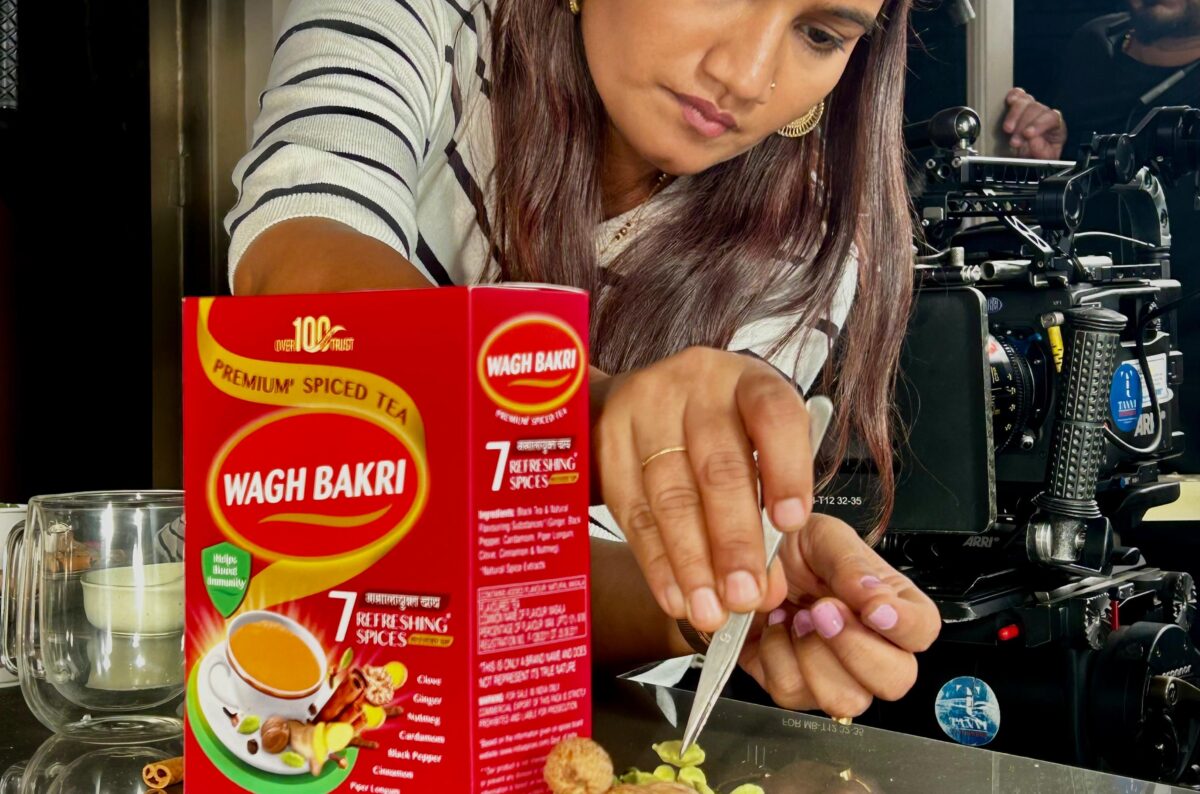
Steam rising gently from hot dishes adds warmth and life, while hands entering the frame — serving rice or tearing bread — instantly create an emotional connection. These details transform the thali from a styled plate into a lived-in, comforting experience.
Why Indian Thali Styling Requires Professional Expertise
Styling an Indian thali is challenging because it involves multiple elements that behave differently on set, and every small change can affect the final frame:
• Multiple dishes cool at different speeds
Each dish reacts to time and temperature in its own way. Dal thickens as it cools, gravies lose their sheen, rice dries out, and rotis harden quickly. Managing this requires precise timing, constant refreshing, and knowing exactly which dish needs attention at each moment of the shoot.
• Gloss fades quickly under studio lights
Studio lighting can dull the natural shine of food within minutes. Oils get absorbed, surfaces turn matte, and gravies lose their richness. A food stylist continuously revives gloss using subtle techniques — refreshing ghee swirls, light oil brushing, and strategic lighting adjustments — without making the food look artificial.
• Colors can clash if not balanced
Indian food is vibrant, but too many strong colors placed together can overwhelm the frame. Reds, yellows, greens, and whites must be balanced carefully so the thali looks harmonious rather than chaotic. This requires constant repositioning of bowls and elements until the color flow feels natural and pleasing.
• Steam disappears fast
Steam is one of the most powerful storytelling elements in Indian food styling, but it fades within seconds. Capturing it requires careful coordination, controlled reheating, and perfect timing so the steam looks natural and inviting — never forced or overpowering.
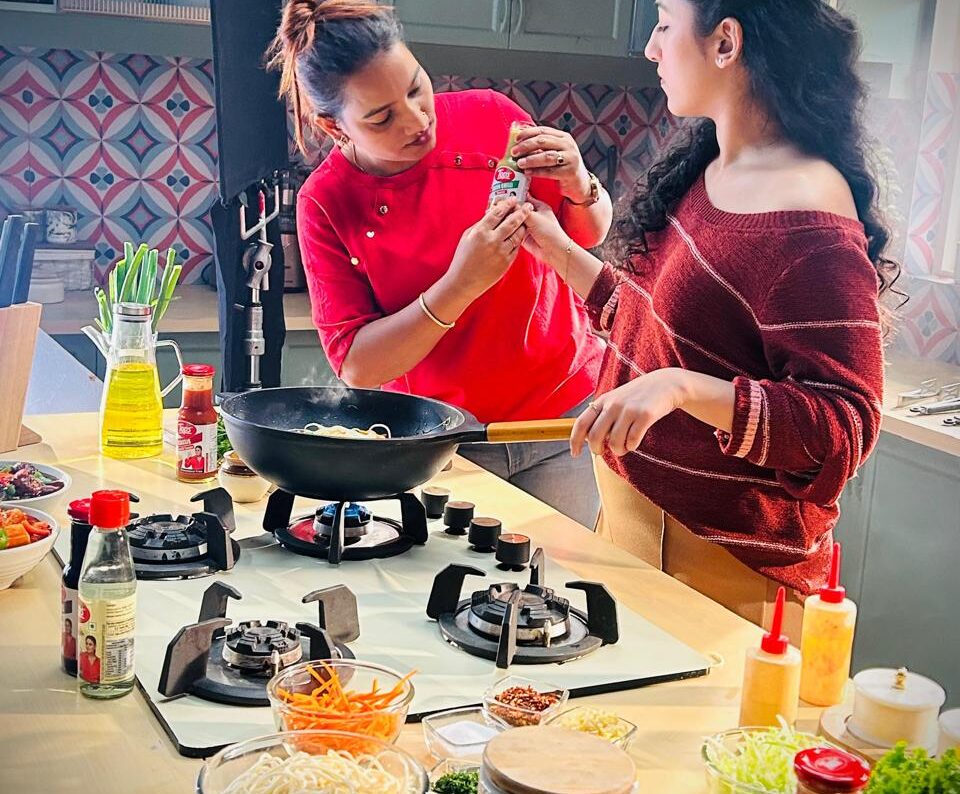
A professional food stylist understands how to manage these challenges while preserving the authentic, homestyle feel of an Indian thali. The goal is never technical perfection, but emotion-driven realism — creating visuals that feel warm, familiar, and deeply relatable.
Final Thoughts
Styling an Indian thali is more than just preparing food; it tells stories with food. The goal of styling a thali is to honour the traditional ways we eat and to represent every aspect of our Relational Wisdom in a warm, inviting, plentiful and relatable manner. How a thali is styled is a reflection of our care and generosity towards other people and our pride in our culture — thus creating the kind of experience that encourages the recipient to eat, spend time together, and create relationships. Badly styled thalis are not attractive or easy to share. Good styling creates an emotional attachment to the thali. A thali that is styled well creates a warm, comforting environment for the recipient to feel welcomed, excited and at home.