- January 5, 2026
How Food Styling Influences Buying Decisions
(The Psychology of Visual Appetite)
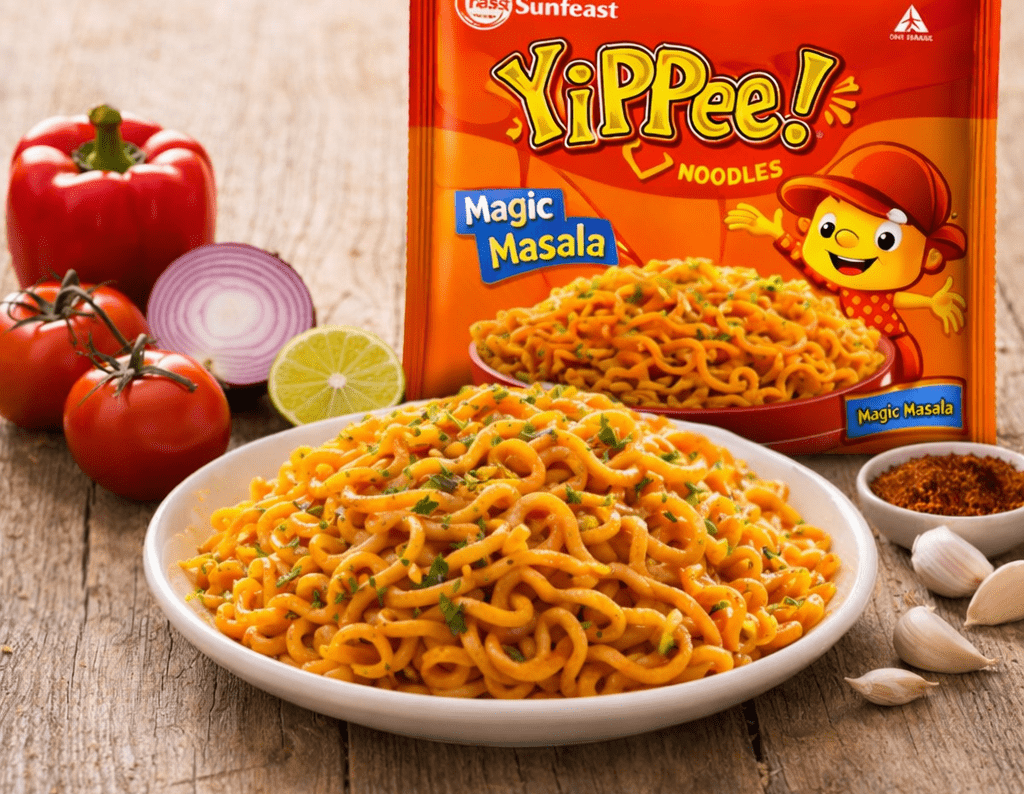
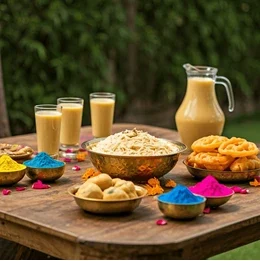
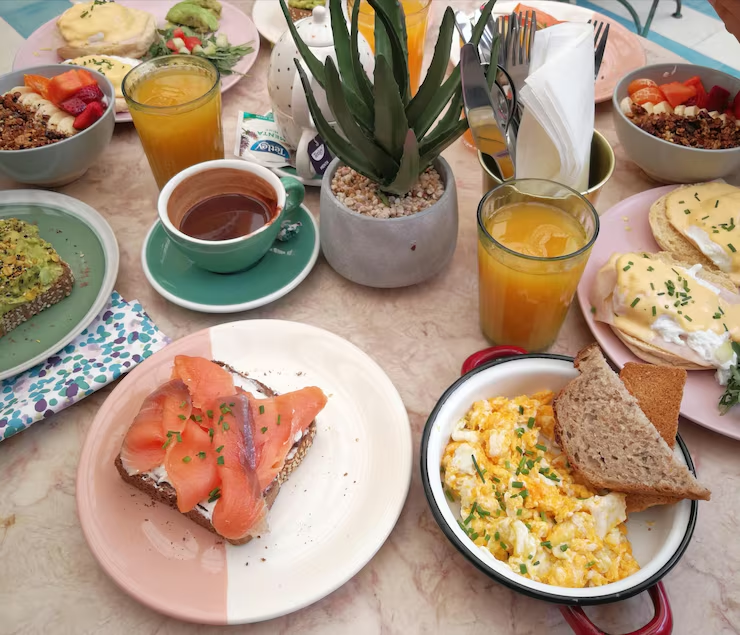
Food styling influences buying decisions by shaping perception, triggering emotion, and creating visual trust that guides consumers toward purchase. In today’s digital-first world, people often see food before they ever taste it — across social media, websites, packaging, menus, and advertisements. Within seconds, the brain subconsciously decides whether a dish feels desirable, premium, comforting, or forgettable. That decision is rarely logical. It is driven by emotion, visual cues, and deeply rooted psychology. This is where professional food styling plays a powerful role in influencing buying decisions.
Food styling is not decoration.
It is visual persuasion — shaping how food is perceived, trusted, and ultimately chosen.
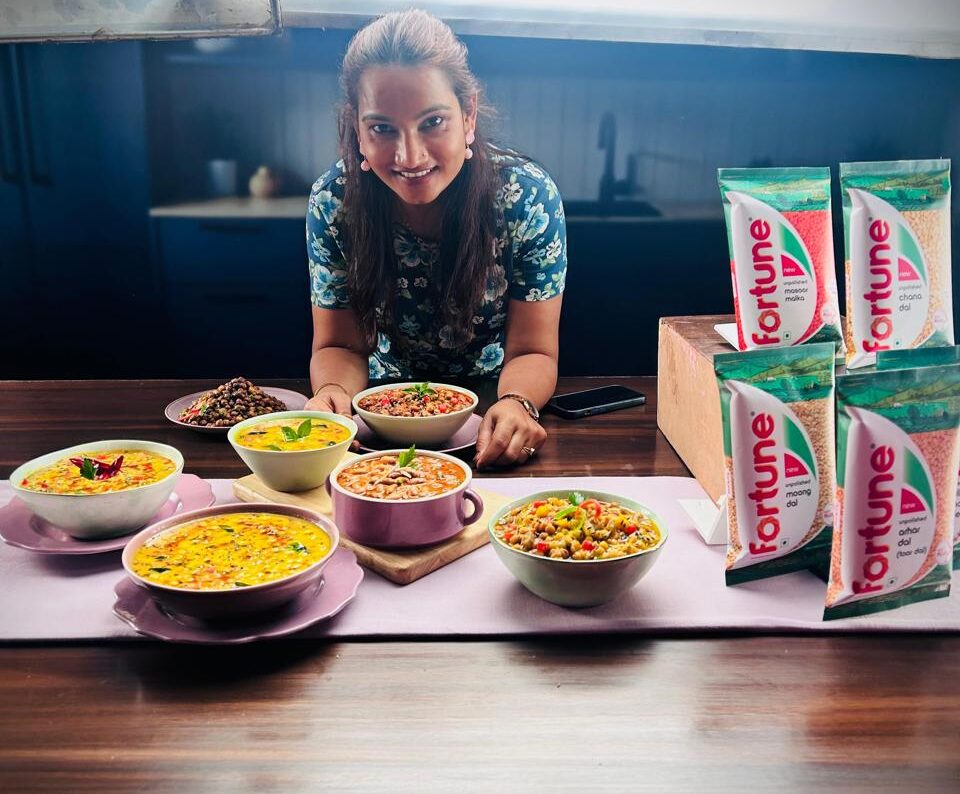
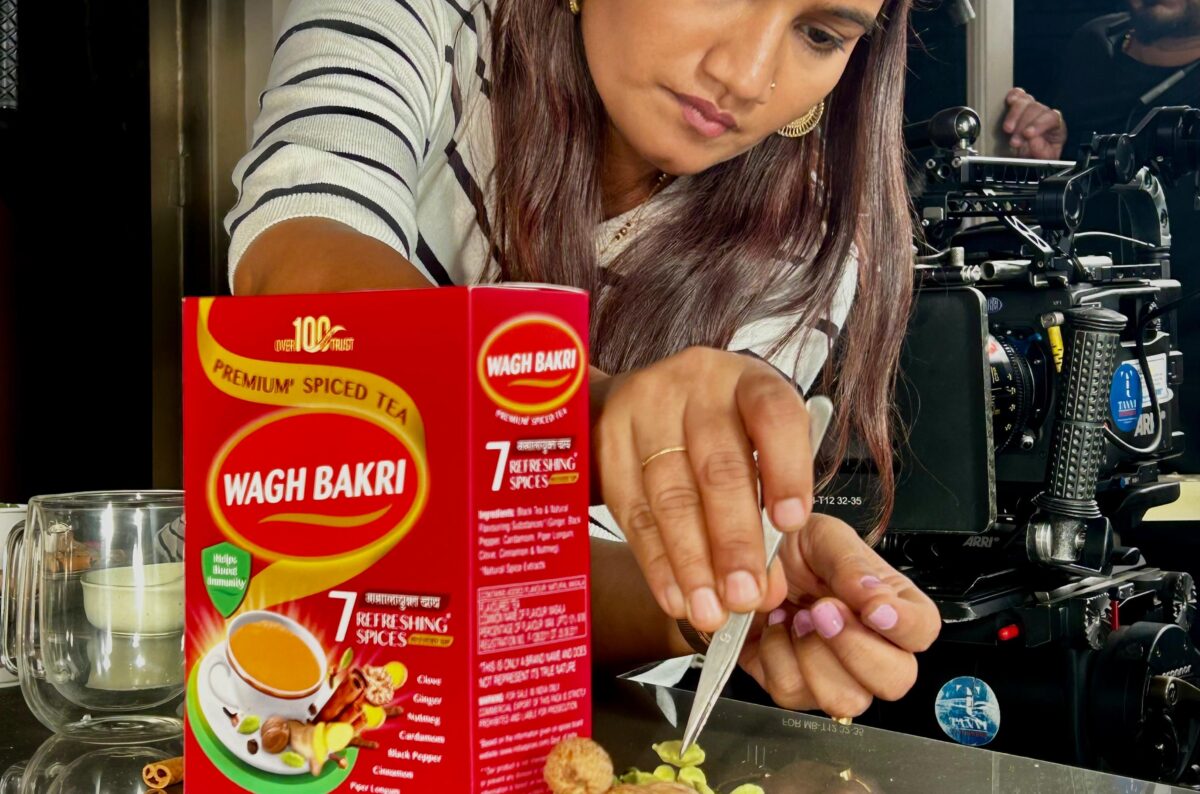
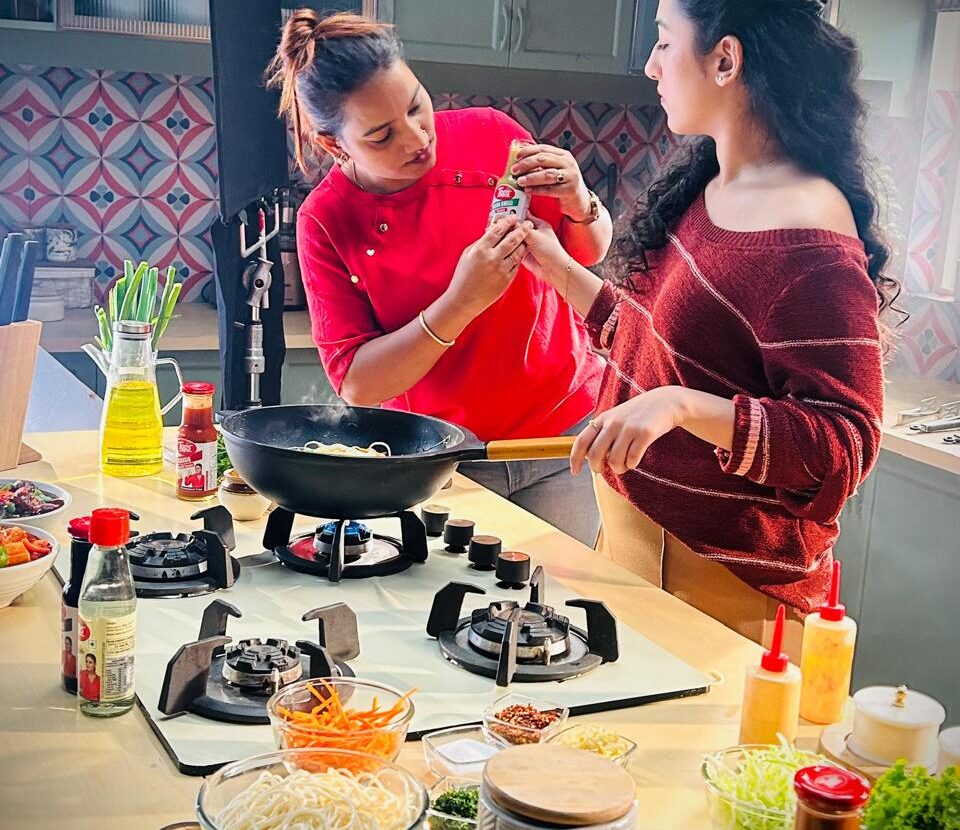
At Jyoti Food Styling (JFS), food is styled with intention — not just to look beautiful, but to shape perception and influence buying behavior. Every visual is crafted using a deep understanding of visual appetite, consumer psychology, and brand storytelling. From premium commercial campaigns to digital-first food brands, JFS creates imagery that feels indulgent, trustworthy, and emotionally compelling. Our approach blends artistic food styling with strategic thinking, ensuring that each frame doesn’t simply attract attention — it guides the viewer toward desire and decision.
First Impressions Decide Desire
Research shows that consumers form an opinion about a product within the first few seconds of seeing it — and with food, that window is even shorter. In those brief moments, the brain subconsciously decides whether to pause or scroll, whether the dish feels exciting or forgettable, whether it sparks curiosity or indifference. This reaction happens before logic, pricing, or product details enter the picture.
Well-styled food instantly communicates multiple value signals:
- Freshness, through vibrant colors, shine, and texture
- Quality, through balance, detail, and refinement
- Value, by looking worth the price being asked
- Trust, by appearing consistent and professionally presented
When food looks dull, flat, or artificial, the brain quietly questions the product’s credibility — often rejecting it before the consumer even realizes why.
The Brain Buys Before the Mouth
Minimal food styling is the art of creating impactful, expressive visuals by carefully simplifying the frame and focusing on what truly matters:
• Fewer props
Minimal styling uses only the most essential elements. Props are chosen thoughtfully and sparingly, ensuring they support the food rather than compete with it. Every prop earns its place in the frame, helping maintain clarity and visual balance.
• Clean compositions
Clean compositions allow the viewer’s eye to rest. Lines are simple, layouts are uncluttered, and the overall frame feels calm and intentional. This clarity creates a polished, editorial look that feels timeless and confident.
• Thoughtful negative space
Negative space is used as a design tool, not empty filler. The space around the food gives it room to breathe, directing attention to the hero dish and enhancing its presence. It adds elegance and focus to the composition.
• Strong focus on texture, light, and form
Without decorative distractions, texture becomes the main visual interest. Light highlights natural surfaces, while form and shape define the structure of the dish. These elements work together to bring depth, realism, and emotion into the frame.
Instead of relying on heavy décor or busy setups, minimal styling allows the food to speak for itself. Every element in the frame has a purpose — nothing is accidental, nothing is extra — resulting in visuals that feel refined, honest, and emotionally engaging.
Appetite Appeal Builds Brand Trust
Trust plays a major role in food purchasing decisions, especially when consumers cannot taste the product beforehand. Styling becomes a visual guarantee of quality.
Professionally styled food signals:
- Attention to detail, showing care and craftsmanship
- Care in preparation, suggesting freshness and effort
- Consistency in quality, reassuring the buyer
When a brand’s visuals appear premium and intentional across platforms, the product feels reliable. Poor or inconsistent styling, however, can make even excellent food feel risky, mass-produced, or low-value.
Emotion Sells More Than Information
People don’t buy food only to satisfy hunger — they buy experiences, moods, and feelings. Comfort, indulgence, nostalgia, excitement, luxury, and celebration all strongly influence food choices.
Food styling communicates these emotions visually:
- A warm bowl evokes comfort and familiarity
- A glossy dessert signals indulgence and pleasure
- A shared plate suggests togetherness and connection
- Minimal styling conveys premium simplicity and confidence
When consumers emotionally connect with a food image, buying feels instinctive rather than deliberate.
Why “Premium Looking” Food Commands Higher Value
Luxury food styling does more than attract attention — it legitimizes premium pricing. Consumers naturally associate visual refinement with higher quality.
When food is styled with:
- Balanced composition, creating harmony
- Controlled gloss, suggesting freshness without excess
- Rich textures, adding sensory depth
- Clean, intentional props, reinforcing craftsmanship
The brain reads these cues as signs of value. As a result, consumers are more willing to pay more for food that looks thoughtfully made and indulgent.
Visual Consistency Strengthens Buying Confidence
Consistency in visual language builds familiarity, and familiarity builds confidence. This is crucial for:
- Packaged food brands, where visuals replace tasting
- Restaurant chains, where reliability matters
- D2C food startups, where trust must be built quickly
Repeated exposure to consistent, high-quality styling makes the brand feel dependable. When customers recognize a visual identity, choosing the product feels safer and easier — even before the first bite.
From Scroll to Sale: Styling That Converts
On digital platforms — Instagram, websites, delivery apps, ads — food has only seconds to perform. In that short window, styling directly influences behavior.
Strong food styling increases:
- Engagement, by stopping the scroll
- Time spent viewing, by holding attention
- Click-through rates, by sparking curiosity
- Conversions, by reducing hesitation
Craving-driven visuals quietly guide the viewer from interest to action — ordering, buying, or enquiring — without needing aggressive sales language.
Why Professional Food Styling Is an Investment
Many brands treat food styling as an afterthought or cost-cutting area. In reality, it directly impacts:
- Perceived quality, shaping first impressions
- Emotional connection, driving desire
- Brand credibility, building long-term trust
- Sales performance, influencing conversion
Professional food styling ensures that food visuals don’t just look appealing — they perform strategically as a sales and branding tool.
Final Thoughts
Food styling sits at the intersection of psychology, emotion, and commerce. It shapes how food is perceived, trusted, and desired. When done correctly, food imagery doesn’t just show what’s on the plate — it tells the brain this is worth buying.
Because people don’t buy food with logic alone.
They buy with their eyes, emotions, and imagination.
And food styling is what turns desire into decision.
CTA
If your food looks good but isn’t converting, it’s time to rethink how it’s being styled. At Jyoti Food Styling, visuals are crafted with intention — to build trust, spark emotion, and influence buying decisions.
Let’s transform your food into imagery that doesn’t just get noticed, but gets chosen.
✨ Create visuals designed to be desired, remembered, and bought.
Visit www.jyotifoodstylish.com or connect with us to elevate your brand through food styling that truly works.