- December 8, 2025
From Kitchen to Camera: A Day in the Life of a Food Stylist
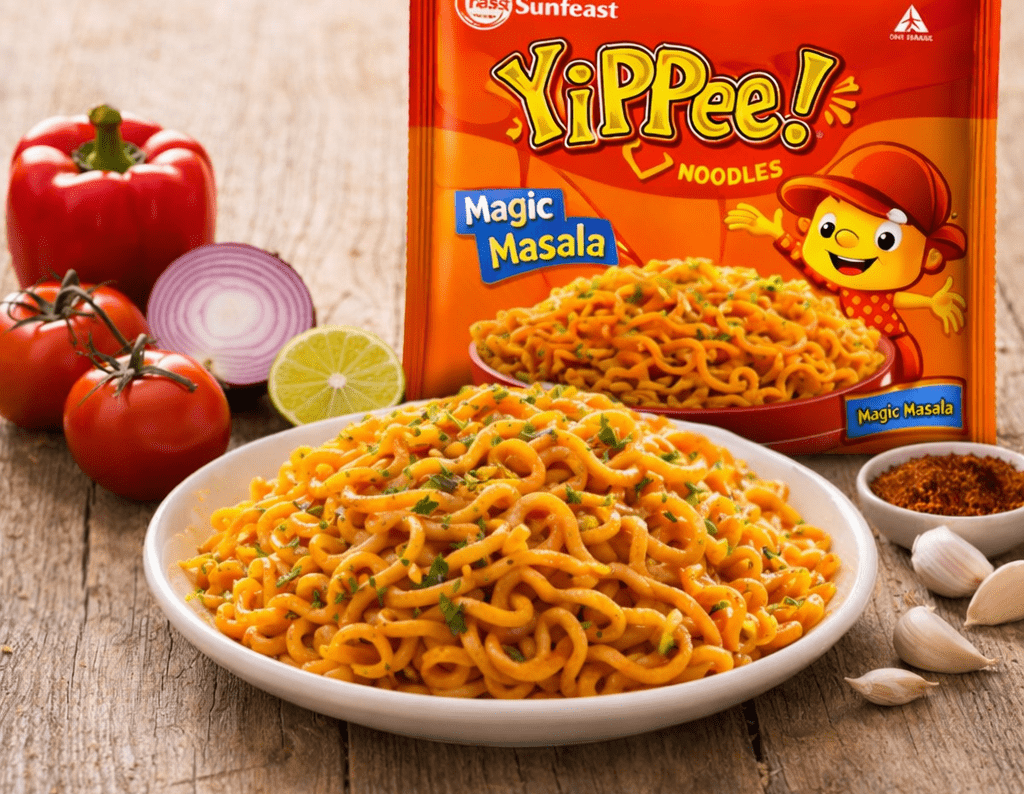
Behind every mouth-watering food photograph is a long, detailed, and often chaotic day that most people never get to see. What appears effortless in a single frame is actually the result of hours of preparation, constant adjustments, and countless decisions made under pressure. Food styling isn’t just about making food look good for the camera — it’s about careful planning, endless patience, technical precision, and quick problem-solving, all while racing against time and working under hot lights.
Every dish has a limited window where it looks its best, and capturing that moment requires focus, flexibility, and experience. From early prep to last-minute fixes on set, nothing happens by accident.
This is what a real, behind-the-scenes day looks like — from kitchen to camera, where creativity meets discipline and food is transformed into visual storytelling.
Early Morning: Planning Before the Cooking Begins
A food stylist’s day starts long before the food hits the pan. Early mornings are quiet but mentally intense. This is the time when the entire shoot is visualised in the head — long before anything is cooked.
Mornings are usually spent reviewing:
- The client brief, to understand the brand tone and expectations
- Brand mood and visual references, to align with the campaign’s look and feel
- Shot list and styling requirements, so no frame is missed
- Color palette and plating style, to ensure consistency across shots
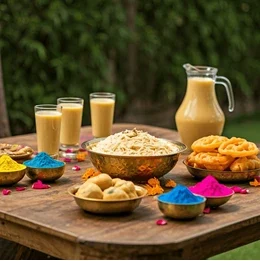
At this stage, decisions are made about how the food should feel — homely, premium, indulgent, fresh, rustic, or celebratory. Every detail is planned mentally: the garnish, the plate, the background, even how the food will age under lights. This preparation helps avoid chaos once cooking begins.
Ingredient Prep: Where the Real Work Starts
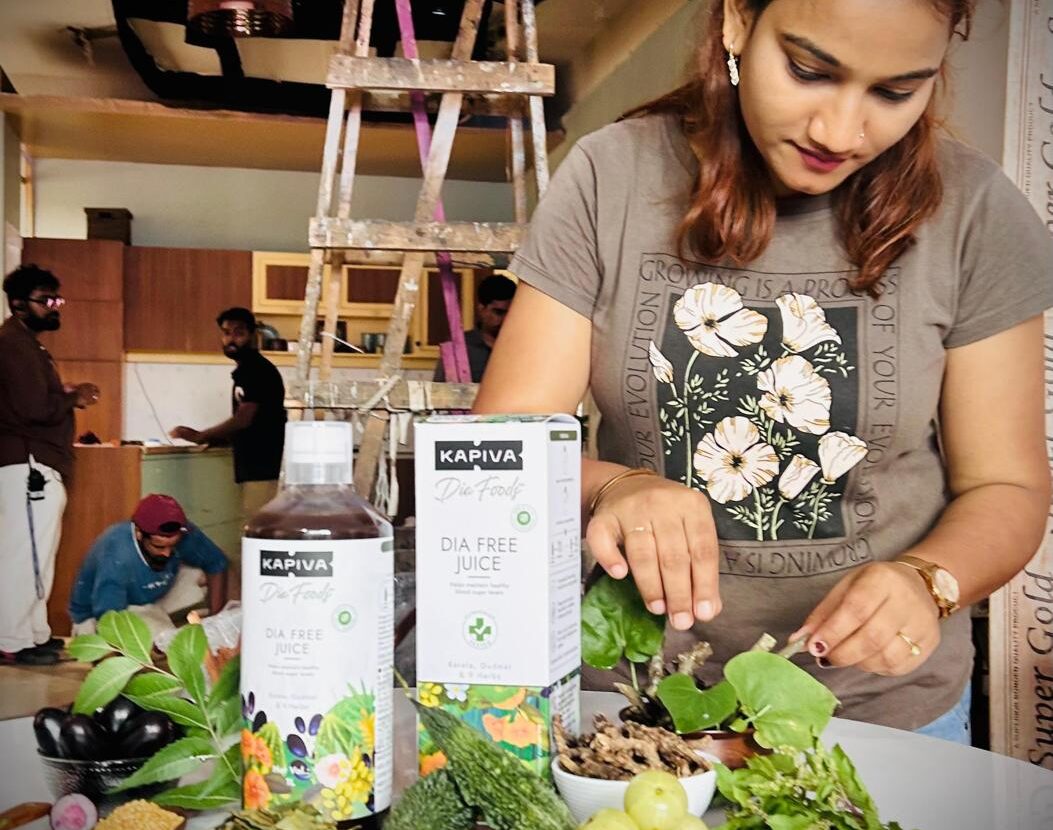
Once planning is locked, the real hands-on work begins. Ingredients are sorted, washed, chopped, blanched, tested, and often prepared multiple times before they ever reach the set.
Not every ingredient makes it to the final plate. A food stylist carefully selects:
- The best-looking vegetables with strong color and structure
- Evenly shaped pieces that photograph consistently
- Fresh herbs that can survive under studio lights
- Breads and garnishes that hold shape and texture
This stage is all about control — controlling color, texture, moisture, and freshness before the shoot even starts. Good prep reduces last-minute panic and gives the stylist flexibility during shooting.
Cooking & Styling: One Dish, Many Versions
Food styling almost never involves cooking just once.
A single dish might be prepared three or four times to achieve:
- The perfect texture
- The right amount of gloss
- Ideal doneness for camera
- A structure that holds under lights
While one version is styled on set, another is often cooking in the background — ready to replace it if the food cools, collapses, dries out, or loses its visual appeal.
This constant rotation is essential. Food has a short “camera-perfect” window, and having backups is what keeps visuals looking fresh and consistent throughout the shoot.
On Set: Where Timing Is Everything
Once the food reaches the set, the pace changes instantly. Studio lights are hot, time is limited, and every second matters.
A food stylist is constantly working — even between shots:
- Refreshing gloss using oils, ghee, or sauces
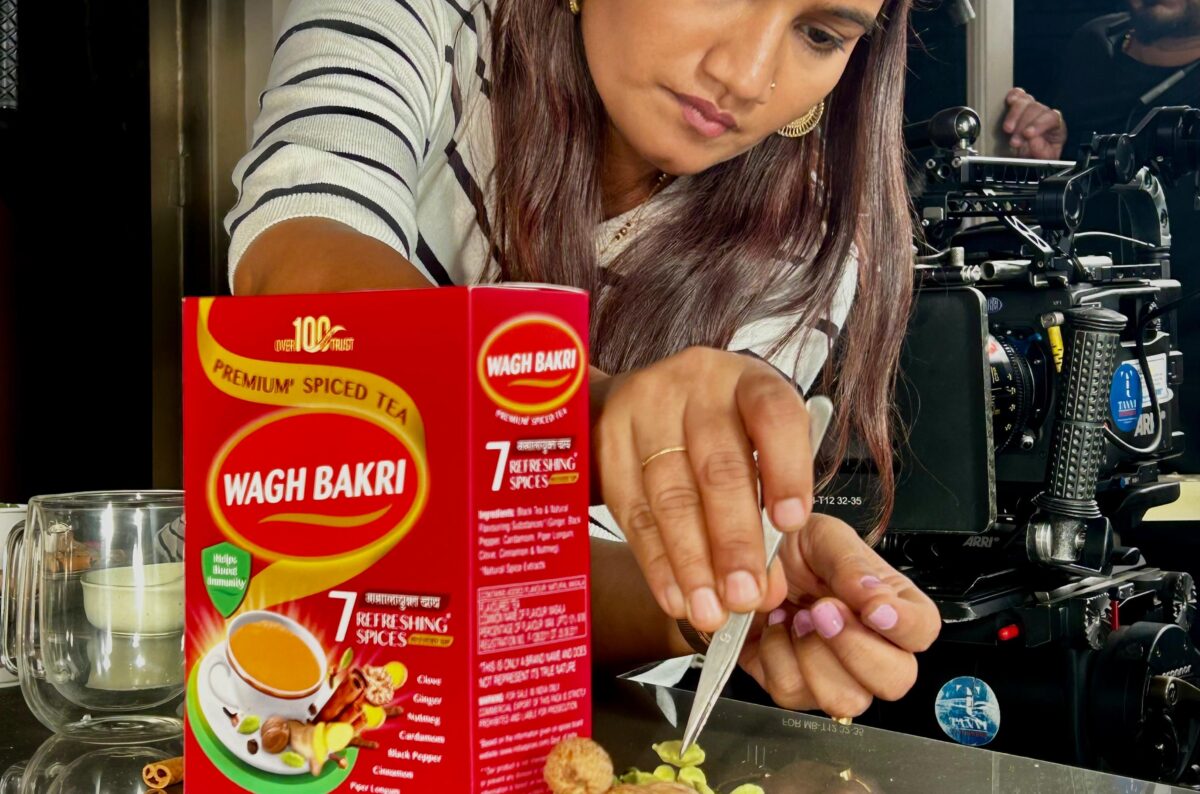
- Adjusting garnishes millimeter by millimeter
- Fluffing rice, reshaping breads, reviving steam
- Replacing elements that start to lose freshness
What looks effortless in the final image is actually the result of non-stop micro-adjustments. The stylist’s hands are rarely still — always fixing, improving, and maintaining the food’s best version.
Collaboration: Food Styling Is a Team Sport
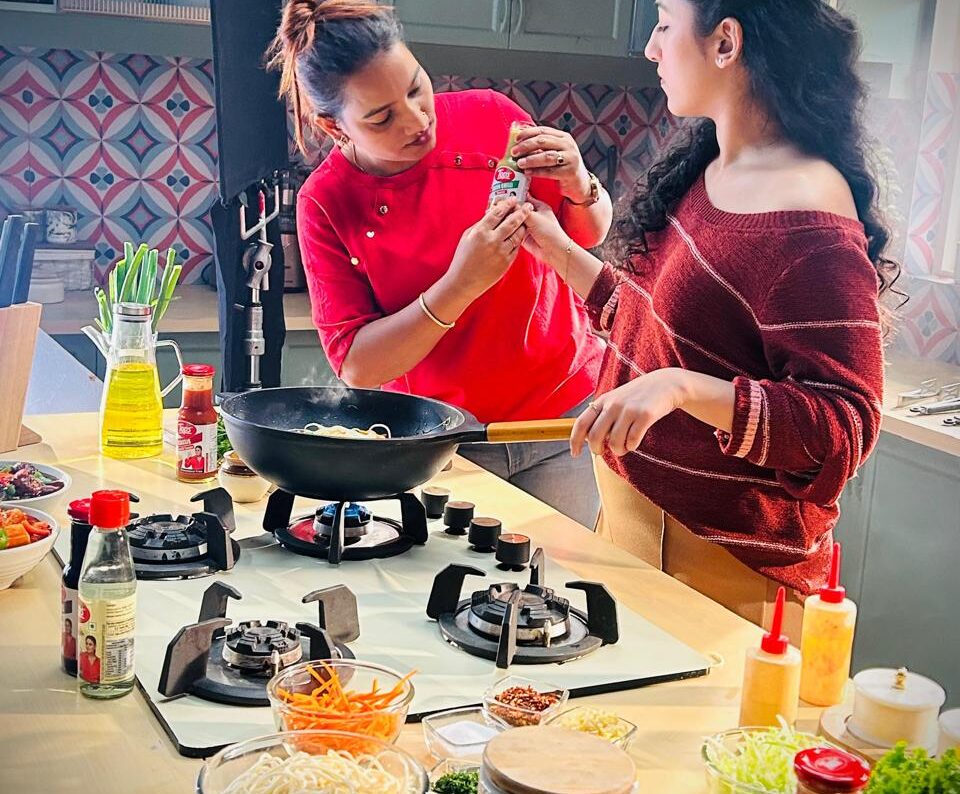
Food styling never happens in isolation. Throughout the shoot, there’s constant collaboration with:
- Photographers
- Creative directors
- Art directors
- Brand and marketing teams
A small change — a new angle, tighter crop, or mood shift — can mean restyling the entire dish. Flexibility is crucial. A good food stylist adapts quickly while still protecting the story and integrity of the food.
Problem Solving: The Hidden Skill
Every shoot comes with surprises, no matter how well planned:
- Gravies dry out faster than expected
- Cream melts under studio lights
- Steam disappears within seconds
- Colors clash once seen through the lens
A food stylist solves these problems quietly, quickly, and creatively. This ability to think on the spot and fix issues without disrupting the shoot is what separates professional food styling from casual plating.
The Final Shot: When Everything Comes Together
There’s a moment on set when everything aligns — the lighting, the angle, the food, and the emotion. That’s when the final shot is captured.
What the audience sees is one perfect frame.
What they don’t see is:
- Multiple test plates
- Failed attempts
- Last-minute fixes
- Continuous teamwork behind the scenes
And that’s the real magic of food styling — turning chaos, effort, and precision into a single beautiful image.
Wrapping Up: Cleaning, Resetting, and Preparing for the Next Day
Once the shoot wraps, the work is far from over. While the cameras may stop clicking, the food stylist’s role continues behind the scenes. Props are carefully cleaned, wrapped, and packed, surfaces are wiped down, and ingredients are sorted or stored responsibly. Every item used on set needs attention before it goes back into storage or is prepared for the next project.
This is also the time for reflection. Notes are reviewed — what worked perfectly, what needed last-minute fixes, and what could be improved next time. Certain styling techniques are refined, timing challenges are noted, and creative decisions are evaluated. These small learnings become valuable experience that shapes future shoots.
Every project adds to the stylist’s skill set. Each shoot teaches something new — about lighting, food behavior, teamwork, or workflow efficiency. This process of cleaning, resetting, and reflecting ensures that every new day on set starts stronger, smarter, and more prepared than the last.
Final Thoughts
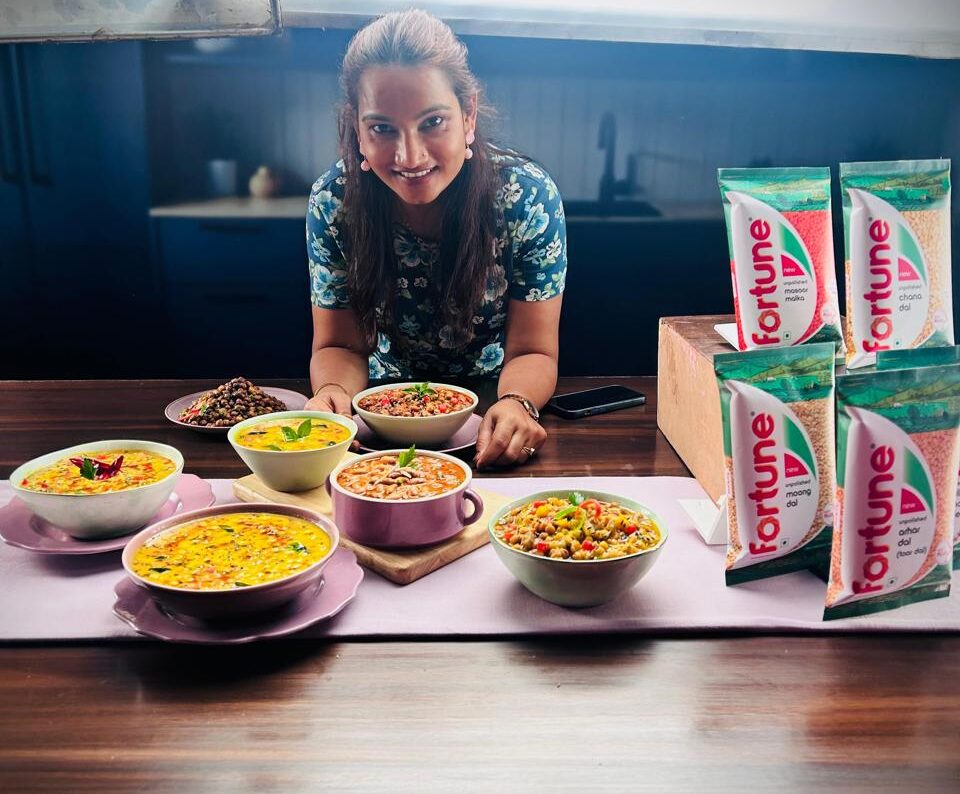
A day in the life of a food stylist is a unique blend of creativity, technical skill, physical effort, and emotional storytelling. It’s messy, fast-paced, and demanding, but also deeply fulfilling in ways that only hands-on creative work can be. Behind every frame are hours of preparation, problem-solving, and attention to detail that rarely make it into the spotlight.
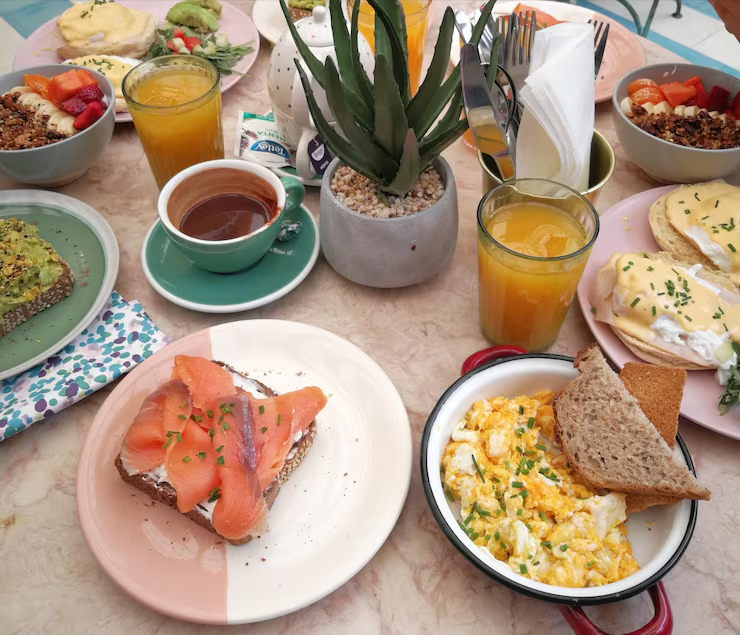
From early kitchen prep to the final camera-ready frame, food styling is about transforming real food into visual experiences — visuals that spark hunger, evoke comfort, and create connection. It’s about capturing texture, warmth, and authenticity in a way that feels natural and relatable.
Because great food photography doesn’t just show food —
it tells a story, one that lingers long after the image is seen.