- January 15, 2026
Food Styling vs Food Photography: What Brands Get Wrong
Many brands assume that creating great food visuals only requires a good camera and a talented photographer. But the reality is, even the most skilled photographer cannot “fix” food that hasn’t been styled correctly in the first place. This is one of the biggest misunderstandings in the industry: food photography captures the image, but food styling creates what is worth capturing. When these roles are confused or merged, the result is often visuals that feel flat, inconsistent, or lacking appetite appeal — even when the actual product is of excellent quality.
The truth is simple yet often overlooked: food styling and food photography are two distinct disciplines, each with its own expertise and purpose. Styling is responsible for building the visual story — shaping texture, balance, freshness, and emotion — while photography brings that story to life through lighting, angles, and composition. When both work together intentionally, food imagery doesn’t just look good; it feels convincing, desirable, and worthy of attention.
Why Brands Get Food Styling vs Food Photography Wrong
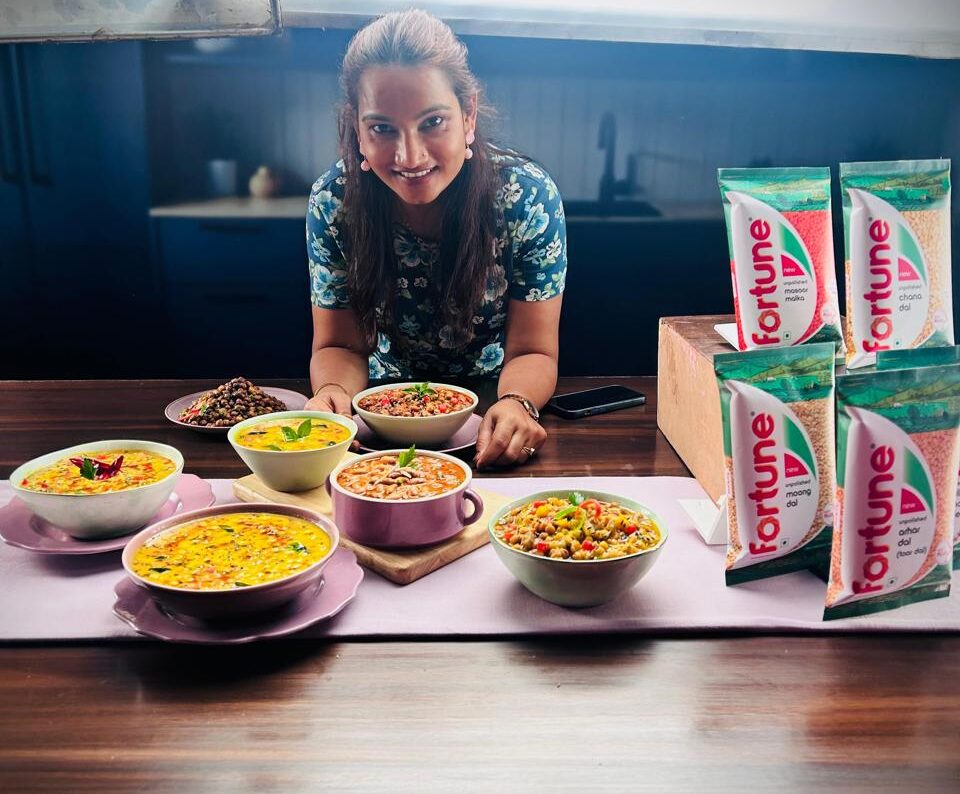
At Jyoti Food Styling (JFS), styling is treated as a strategic part of brand communication — not a decorative afterthought. Every setup is designed with clear intention, starting from how the food should feel to the viewer: premium, comforting, indulgent, fresh, or celebratory. From refined texture placement and balanced color harmony to composition, garnish control, and plate mood, each detail is planned to support the brand’s visual language and the story the dish needs to tell.
JFS works at the intersection of visual psychology and brand identity, creating food visuals that feel elevated, trustworthy, and truly conversion-ready. The focus is not only on making food look beautiful, but on making it perform — communicating quality at first glance, building confidence, and triggering appetite appeal in seconds. Because when styling is done right, photography becomes dramatically more powerful, and the final image delivers stronger results across packaging, menus, websites, digital ads, and social platforms — consistently and convincingly.
The Simple Difference: Styling Builds the Dish, Photography Captures It
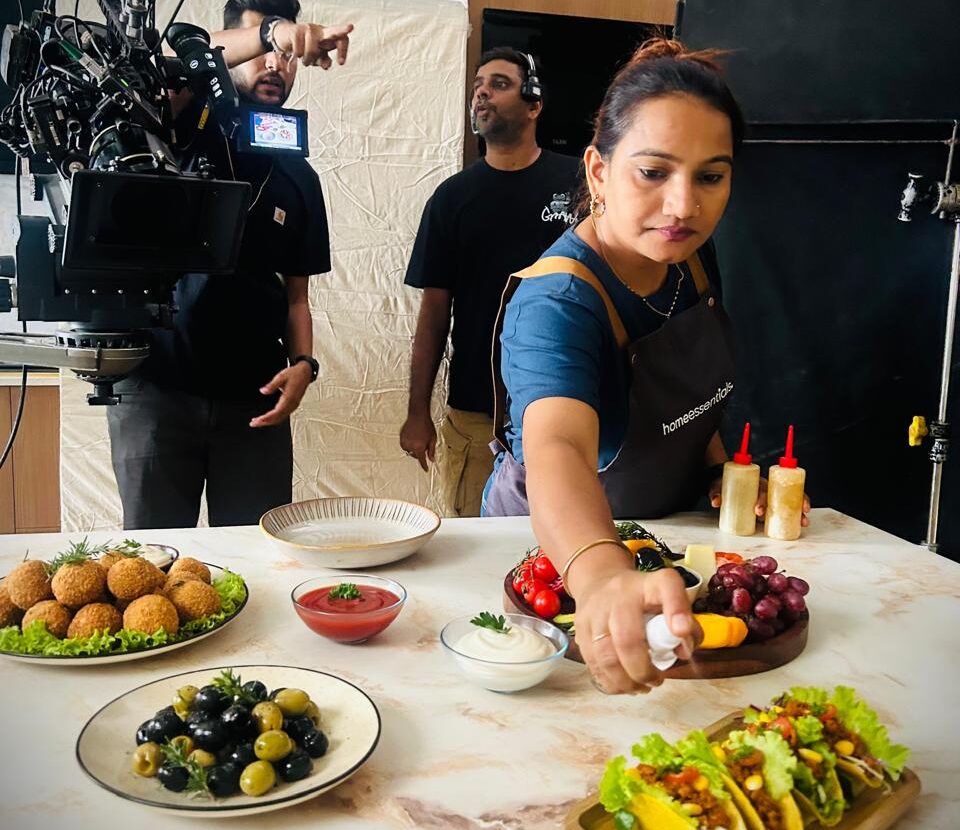
Food styling is about how the food looks before the camera clicks. It includes how ingredients are placed, how textures appear, how shine is controlled, how portions are balanced, and how the overall frame tells a story.
Food photography is about how the camera sees the styled scene — lighting, lens choice, angles, framing, exposure, and final mood.
In short: styling makes food look desirable; photography makes it look cinematic.
Ads Show Food at Its Best Moment
Food in advertisements is captured at its absolute visual peak. Ingredients are freshly prepared, sauces are carefully balanced, textures are enhanced, and every element is timed down to the second. The food is styled, lit, and photographed at the precise moment when it looks the most appetizing — when the gloss is perfect, the structure holds, and the colors are at their richest.
Real-life food, on the other hand, is meant to be eaten immediately and enjoyed casually. It isn’t designed to sit under studio lights, maintain symmetry, or hold its shape for extended periods. Temperature changes, gravity, and time naturally affect how food looks once it reaches the table.
Advertising freezes food at that fleeting moment when it looks its very best, while real life continues to move forward. This pause in time is what creates the polished, aspirational quality we associate with food ads — a carefully chosen moment of visual perfection that simply doesn’t exist in everyday dining.
What Brands Often Get Wrong
1) They Expect Photography to Fix Styling
Many brands assume that a good camera, a talented photographer, and a little editing can “save” food that isn’t styled well. They rely on post-production to correct common issues like dryness, messy plating, uneven portions, dull color, or food that looks cold and flat. But the most important appetite cues — texture, moisture, freshness, and structure — cannot be convincingly created after the shoot. If the food isn’t holding its shape, if the shine is gone, or if the plating looks unbalanced on set, it will still read that way in the final image. Photography can enhance what exists, but it cannot replace the foundation that styling creates.
2) They Underestimate the Role of Appetite Appeal
Food visuals are not only about looking “nice” — they are designed to trigger desire. Appetite appeal is what makes a viewer stop scrolling and mentally imagine the taste. A professional stylist builds appetite appeal by controlling gloss, creating visible texture, highlighting bite points, shaping layers, and adding warmth cues that signal freshness and indulgence. Without styling, a dish may look accurate, but it often lacks temptation — and in marketing, accuracy doesn’t convert as strongly as desire does. When appetite appeal is missing, even great food can feel forgettable or low-value.
3) They Use One Look for Every Dish
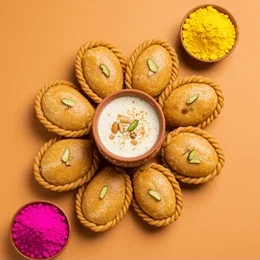
A common brand mistake is applying the same styling template to every product or category. But different foods require completely different visual language. A burger needs height, structure, clean layers, and indulgence. A thali needs abundance, variety, color balance, and harmony. A dessert needs softness, shine, and luxury cues. Styling must adapt to what the food represents and how it should feel emotionally. When brands treat all food the same visually, images lose impact and authenticity — and the viewer stops trusting the story the brand is trying to tell.
4) They Ignore Platform Requirements
A major reason visuals “don’t perform” is because styling isn’t planned around where the image will be used. Packaging hero shots need clean framing, clear product visibility, strong readability, and space for branding and text. Social media needs scroll-stopping texture, tighter crops, lifestyle emotion, and movement cues. Menu images need clarity, realistic portion representation, and easy understanding at a glance. Without platform-first styling decisions, the images may look beautiful in isolation but fail to work commercially — because performance depends on context, format, and viewer behavior.
Why Styling Is the “Silent Sales Tool”
A professional stylist makes decisions that affect buying psychology:
- Where the viewer’s eye goes first
- What texture makes the food feel edible
- How warmth and freshness are communicated
- What level of imperfection feels authentic
- How premium the food appears within seconds
Photography amplifies these signals — but styling creates them.
How Food Styling and Food Photography Work Together
When styling and photography align, the output feels premium and persuasive. Styling ensures the food looks fresh, balanced, and emotionally inviting. Photography ensures the lighting enhances texture, shadows add depth, and composition feels cinematic. Together they create visuals that don’t just show food — they make people want it.
Who Needs Food Styling the Most?
If you’re creating visuals for:
- Packaging and product launches
- Restaurant menu photography
- Social media campaigns and ads
- E-commerce listings
- Luxury brand storytelling
Food styling is not optional — it’s the difference between “nice photo” and “sell-worthy visual.”
Final Thought
Food photography captures what’s in front of the lens.
Food styling decides whether what’s in front of the lens is worth craving.
When brands understand this difference, visuals become stronger, campaigns become sharper, and food looks consistently delicious across every platform.
Because food styling isn’t decoration —
it’s brand perception in edible form.
Strong CTA
If your brand is investing in photography but your food still isn’t looking premium, the missing piece is likely styling. At Jyoti Food Styling (JFS), we craft appetite-driven visuals that feel elevated, authentic, and built to convert.
✨ Let’s create food imagery that doesn’t just look good — it performs.
Visit www.jyotifoodstylish.com to collaborate on your next campaign.