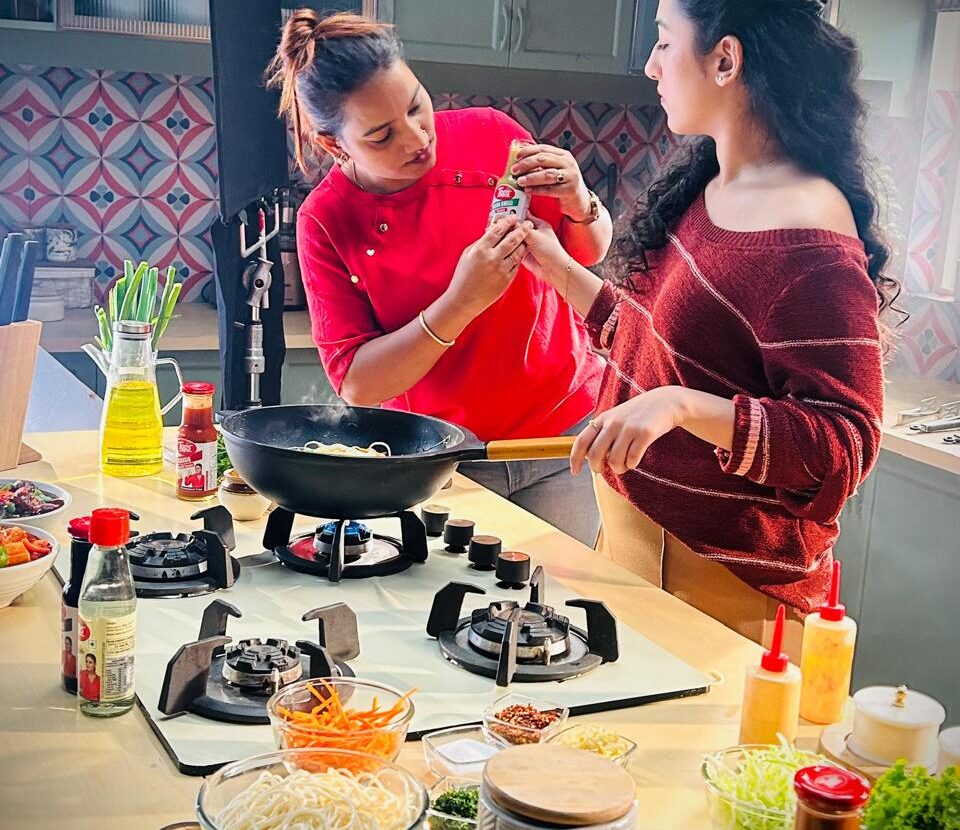
Behind the Scenes: My First Client Moment and How Food Styling Became My Craft
January 19, 2026
Behind the Scenes: My First Client Moment and How Food Styling Became My Craft
(A story of pressure, precision, and premium visuals—by Jyoti Khengale)
My food styling journeybegan with a single client moment that transformed curiosity into craft and shaped the way I approach visual storytelling through food. In a world where food images are everywhere, only a few truly stand out. The ones that feel premium don’t just show a dish — they make you pause, imagine the taste, and trust the brand behind it. They communicate quality without shouting, and they create desire within seconds. But what most people never see is what happens before that final frame exists: the planning that starts long before the shoot, the quiet control over texture and shine, the constant refreshing under hot lights, and the split-second decisions that keep food looking alive, fresh, and irresistible on camera.
This is the story of how I learned that food styling isn’t about making food “pretty.” It’s about making food feel like something — comforting, indulgent, premium, familiar, or unforgettable. Because when a frame carries emotion, it doesn’t just get seen… it gets remembered.
My Food Styling Journey: The First Client Experience
I still remember my first real client shoot — the kind that makes your hands move faster and your mind go quiet. The brief sounded simple: “Make it look premium, but real.” At first, it felt straightforward. Plate it nicely. Add a garnish. Shoot it. Done.
But the moment the dish arrived on set, reality hit.
Under the lights, everything changed. The shine started fading. The fresh elements began to wilt. The food looked perfect for a few seconds… and then slowly started losing energy. Not because the food wasn’t good — but because the camera sees details differently. What looks delicious in real life can look flat and tired on a screen if it isn’t styled with intention.
That day taught me something I never forgot: Food has a short visual life. And my job is to capture it at its best.
I stopped trying to “decorate” the dish and started treating it like a story. I simplified the setup, removed distractions, adjusted texture and balance, and refreshed gloss in a way that still looked natural. Slowly, the frame started to come alive — not loud, not overdone — but premium, calm, and deeply appetizing.
And then the moment came. The client leaned in, paused, and said: “Yes. This is exactly what we wanted.”
That was the day I understood — this isn’t just plating. This is craft.
What People Don’t Realize About Food Styling
Food styling looks effortless in the final image, but behind the scenes, it’s a constant balance between creativity and control. Food changes quickly. Sauces absorb. Steam disappears. Textures soften. Gloss fades. And the camera captures everything — the good, the bad, the tiny details most people don’t notice until it’s photographed.
A food stylist isn’t only making food look beautiful — they’re managing time, temperature, texture, and realism, all at once. The goal is to keep the food looking fresh and desirable while still feeling authentic.
How I Style Food to Look Premium (Without Looking Fake)
Over time, my approach became clear: premium doesn’t come from adding more — it comes from choosing better. I focus on details that quietly signal quality: refined textures, controlled shine, thoughtful composition, and a clean visual story.
Premium food styling is about restraint. If a garnish distracts, it goes. If a prop competes with the dish, it’s removed. If the frame feels crowded, I create space. Luxury isn’t loud — it’s confident.
I also style for emotion. Because people don’t buy food with logic alone. They buy with feeling. Comfort, indulgence, nostalgia, celebration — the emotion of the dish decides how it should look on camera.
The Real Pressure: Timing on Set
One of the biggest differences between real-life food and advertising food is timing. In everyday life, food is served and eaten immediately. In a shoot, food must hold for long enough to be photographed — sometimes for hours.
That means constant refreshing: restoring gloss, re-shaping elements, replacing wilted herbs, and keeping the dish alive. A single frame may have multiple versions behind it. The final image looks calm — but the process is fast, focused, and intense.
Why This Matters for Brands
In a digital-first world, food is often judged before it’s tasted. Customers decide in seconds whether a brand feels premium, comforting, exciting, or forgettable — based on imagery alone.
That’s why food styling matters. It doesn’t just make food look good. It builds trust, shapes perception, and influences decision-making. When visuals feel premium, the product feels premium. When visuals feel consistent, the brand feels reliable.
Final Thought
That first client moment taught me the most important lesson of my career: food styling isn’t about perfection. It’s about capturing food at its most desirable moment — while keeping it real, believable, and emotionally engaging.
Because premium food visuals don’t impress loudly. They convince quietly.
And when styling is done right, the viewer doesn’t just admire the image — they believe in the brand behind it.
Strong CTA
If you want food visuals that feel premium, crave-worthy, and emotionally engaging, I’d love to collaborate. Explore my commercial work and portfolio at: 👉 www.jyotifoodstylish.com