- December 22, 2025
Cafe & Brunch Styling: Creating Aesthetic Frames That Feel Effortless
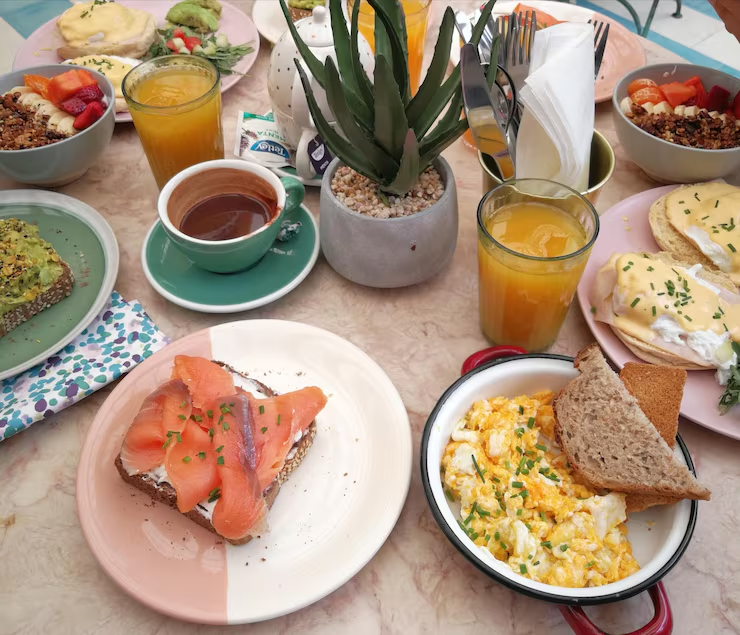
Cafe and brunch food isn’t just about taste — it’s about mood, lifestyle, and visual appeal. It reflects slow mornings, unhurried conversations, and moments of everyday indulgence. From freshly brewed coffee with delicate crema to golden toast layered with spreads, flaky croissants catching the light, and vibrant smoothie bowls bursting with color, brunch visuals are meant to feel relaxed, inviting, and beautifully lived-in.
Styling for cafes and brunch menus is about creating frames that look effortless yet thoughtfully composed. Every crumb, drip, and shadow is placed with intention while still feeling natural. The goal is to craft images that invite the viewer to pause, sip their coffee slowly, and stay a little longer — visuals that feel less like a photoshoot and more like a moment worth lingering in.
Why Cafe & Brunch Styling Is Different
Unlike heavy meals or festive food, brunch styling focuses on subtlety and ease, where the food looks inviting without feeling overworked.
• Lightness and freshness
Brunch dishes are styled to feel airy and easy on the eye. Ingredients look fresh, portions feel light, and the overall frame avoids heaviness. Nothing should appear dense or overloaded — the visual goal is freshness, as if the food has just arrived at the table.
• Natural colors and textures
Muted, natural tones work best for brunch — golden browns, soft creams, gentle greens, and warm neutrals. Textures like flaky pastry layers, toasted bread, smooth spreads, and fresh fruit are allowed to shine without excessive styling or manipulation.
• Casual, unforced composition
Brunch frames should never look perfectly aligned. Slight overlaps, imperfect spreads, crumbs, and uneven stacks add realism. The composition feels spontaneous, as if captured mid-moment rather than arranged for the camera.
• A lifestyle-driven aesthetic
Cafe and brunch visuals tell a lifestyle story — slow mornings, relaxed conversations, and everyday indulgence. The food sits naturally within a scene, supported by elements like coffee cups, linen napkins, and simple table settings.
The real challenge lies in making the food look styled but not staged — aesthetic and visually appealing without ever feeling artificial or overdone.
Unlike heavy meals or festive food, brunch styling focuses on subtlety and ease, where the food looks inviting without feeling overworked.
• Lightness and freshness
Brunch dishes are styled to feel airy and easy on the eye. Ingredients look fresh, portions feel light, and the overall frame avoids heaviness. Nothing should appear dense or overloaded — the visual goal is freshness, as if the food has just arrived at the table.
• Natural colors and textures
Muted, natural tones work best for brunch — golden browns, soft creams, gentle greens, and warm neutrals. Textures like flaky pastry layers, toasted bread, smooth spreads, and fresh fruit are allowed to shine without excessive styling or manipulation.
• Casual, unforced composition
Brunch frames should never look perfectly aligned. Slight overlaps, imperfect spreads, crumbs, and uneven stacks add realism. The composition feels spontaneous, as if captured mid-moment rather than arranged for the camera.
• A lifestyle-driven aesthetic
Cafe and brunch visuals tell a lifestyle story — slow mornings, relaxed conversations, and everyday indulgence. The food sits naturally within a scene, supported by elements like coffee cups, linen napkins, and simple table settings.
The real challenge lies in making the food look styled but not staged — aesthetic and visually appealing without ever feeling artificial or overdone.
Challenges in Cafe & Brunch Styling
Cafe and brunch shoots may look calm and effortless on screen, but they come with their own set of time-sensitive challenges that require constant attention.
• Food cools and dries quickly
Brunch dishes like toast, eggs, pancakes, and pastries have a very short window where they look their best. As they cool, surfaces dry out, textures flatten, and food loses its inviting warmth. Continuous monitoring and timely replacements are essential to maintain that fresh-from-the-kitchen feel.
• Coffee loses crema fast
Coffee is one of the most delicate elements on set. Crema fades within minutes, foam collapses, and steam disappears quickly. Cups often need to be refilled or replaced, and angles adjusted carefully to preserve that freshly brewed look.
• Greens wilt under lights
Fresh herbs, salad greens, and garnishes react quickly to studio heat. Leaves lose their crispness and vibrant color, making the food look tired. Gentle misting, quick swaps, and minimal handling help keep greens looking lively and fresh.
• Sauces absorb or dull
Sauces, syrups, and spreads soak into bread and pancakes quickly or lose their shine under lights. Refreshing glazes, controlled drips, and subtle lighting adjustments are used to keep sauces looking glossy and appetizing without appearing heavy.
Final Thoughts
Cafe and brunch styling is about capturing a feeling, not just plating food. It’s about slow mornings filled with soft light, warm conversations shared over coffee, and those quiet moments of everyday indulgence that feel unhurried and comforting. The goal is to create visuals that reflect ease and authenticity — frames that feel lived-in rather than staged.
Through thoughtful composition, natural light, and emotion-led styling, simple dishes are transformed into aesthetic moments that feel inviting and real. Every crumb, sip, and shadow plays a role in telling that story.
Because great brunch visuals don’t just show food —
they invite you into a moment you want to stay in.