Creating Festive Visuals That Feel Joyful, Appetizing, and Emotionally Grounded
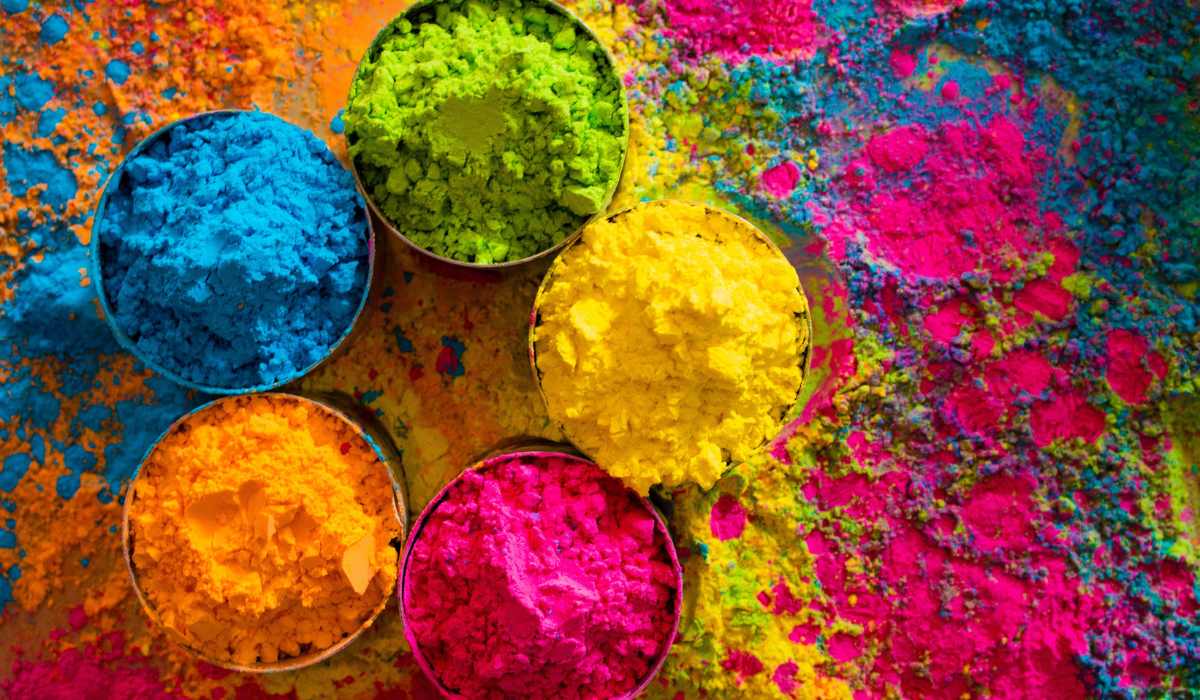
Holi is one of India’s most visually expressive festivals. Color defines its identity — from powdered gulaal in the air to stained clothes and laughter-filled gatherings. Naturally, Holi food is expected to reflect this vibrancy. However, when it comes to food styling, color must be handled with care.
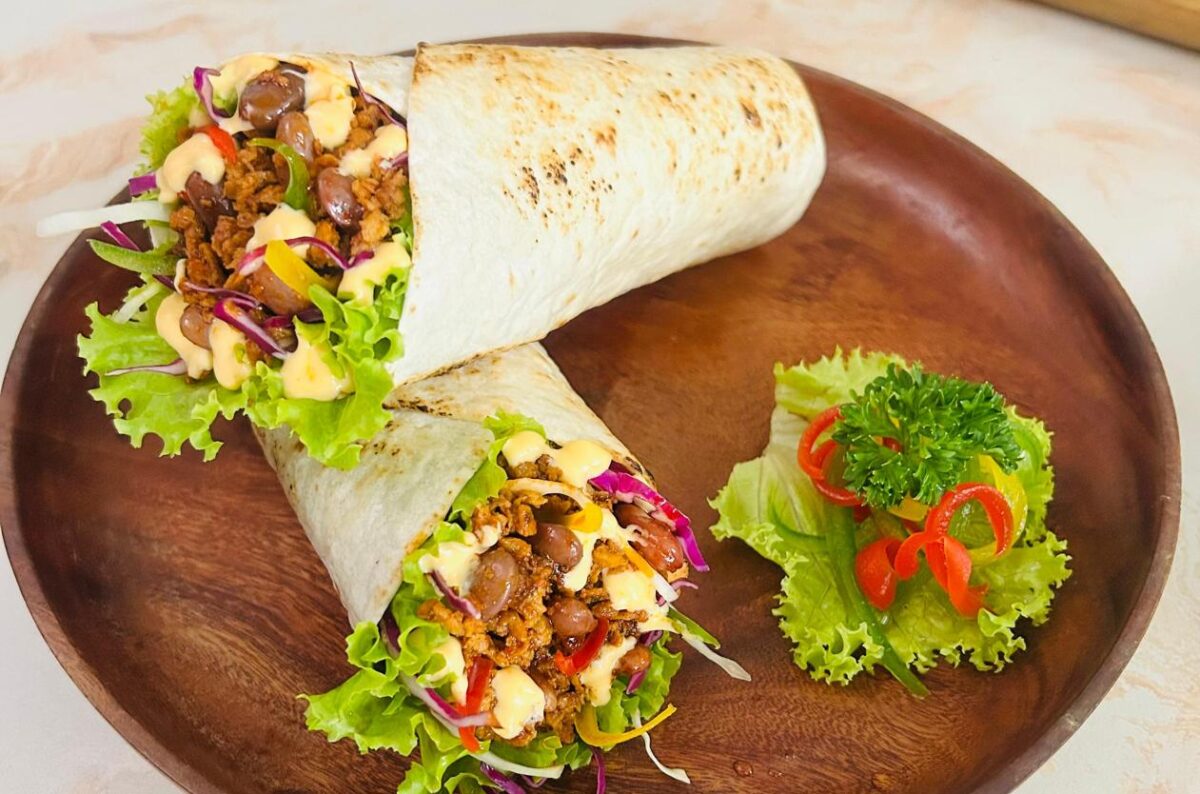
Festive food is not just meant to be seen; it is meant to be eaten. While bold colors create excitement, appetite depends on balance, warmth, and familiarity. Holi food styling therefore requires a thoughtful approach — one that celebrates color without overpowering the senses.
The challenge lies in maintaining festivity while preserving appetite.
Why Color Needs Control in Holi Food Styling
Indian festive food is already rich in natural color. Gujiyas, laddoos, thandai, chaats, and snacks carry warm tones created through traditional cooking techniques. When additional artificial or excessive color is layered onto these dishes, the food can quickly lose its edible appeal.
A well-styled Holi spread should feel:
Festive, not overwhelming
Colorful, not chaotic
Appetizing, not decorative
Joyful, not artificial
The role of the food stylist is to guide color placement so it enhances emotion without distracting from the food itself.
Step 1: Let Natural Food Colors Lead the Palette
The foundation of Holi food styling begins with the food’s own colors. The golden fry of gujiyas, creamy whites of malai and thandai, soft browns of nuts and khoya, and subtle yellows of saffron-infused sweets already create a warm, celebratory base.
By allowing these natural tones to lead, the visual remains grounded and familiar. This approach keeps the food emotionally connected to tradition and prevents it from feeling overly styled or artificial.
Festivity should emerge from what the food already offers, not from forced additions.
Step 2: Using Festive Color as an Accent, Not the Focus
Bright colors are best introduced through controlled accents rather than dominating the plate. Background elements, fabrics, florals, or subtle props can carry festive color without interfering with appetite.
When color is used sparingly:
The eye remains focused on the food
Visual flow feels calm and intentional
The dish stays appetizing and warm
Too many colors placed together compete for attention and confuse the frame. Restraint allows celebration to feel refined and inviting.
Step 3: Balance Over Brightness
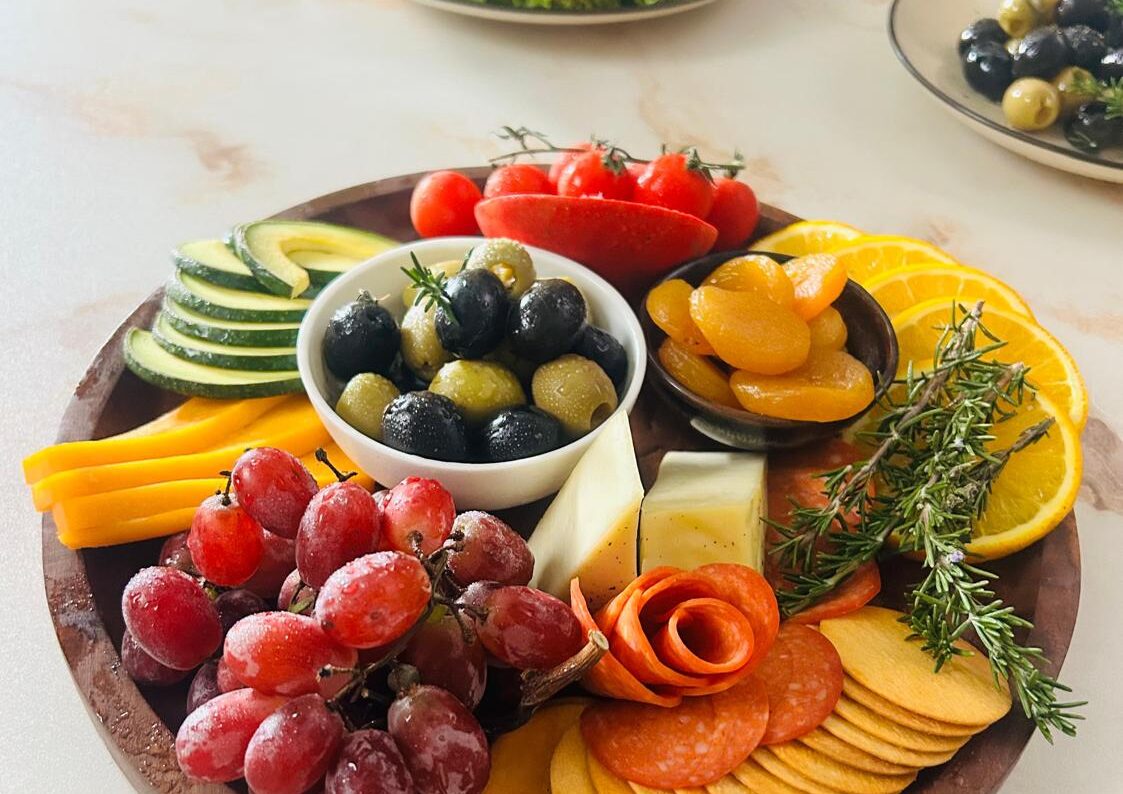
Appetite responds to balance, not intensity. When colors are evenly distributed across the frame, the food feels approachable and visually comfortable. Balanced compositions allow the eye to rest and move naturally, creating a sense of ease.
Over-saturated plates may feel exciting at first glance, but they often lose warmth and depth. Excessive brightness can flatten texture and make food feel graphic rather than edible.
Balance ensures that color supports appetite rather than overpowering it.
Step 4: Texture as a Counterweight to Color
Texture plays a crucial role in maintaining appetite when working with festive color. Powdered sugar settling naturally, crushed nuts scattered loosely, frothy thandai, or lightly cracked sweets soften strong visuals and add realism.
Texture introduces depth and tactility, reminding the viewer that the food is handmade and meant to be enjoyed. It prevents color from appearing flat or artificial under studio lighting.
In Holi food styling, texture anchors the visual experience.
Step 5: Creating Joy Without Chaos
Holi is playful and social, but food styling should reflect that energy without becoming messy. Slightly imperfect arrangements, relaxed placement, and a sense of movement make the food feel alive.
Controlled looseness allows the food to feel shared and welcoming rather than staged. This balance between structure and spontaneity mirrors the spirit of Holi itself.
Joy in food styling comes from ease, not excess.
Why Appetite Must Always Come First
No matter how festive the occasion, food that does not feel edible fails its purpose. Overuse of color can shift focus away from taste, comfort, and warmth — the very elements that make festive food satisfying.
Successful Holi food styling prioritizes appetite first, then layers celebration on top. When color and appetite are balanced, the food feels joyful, familiar, and emotionally resonant.
Final Thoughts
Balancing color and appetite in Holi food styling is about restraint, intention, and respect for tradition. Festive food should feel celebratory without losing its warmth and approachability.
The most successful Holi visuals are those that feel joyful yet grounded — vibrant but comforting, colorful but appetizing.
Because when color supports the food instead of overpowering it, festive styling feels honest, inviting, and true to the celebration.
Strong CTA
If you want Holi food visuals that celebrate color without sacrificing appetite or authenticity, let’s create them together.