The Psychology of Food Presentation: Why We Eat with Our Eyes First
January 22, 2026
The Psychology of Food Presentation: Why We Eat with Our Eyes First
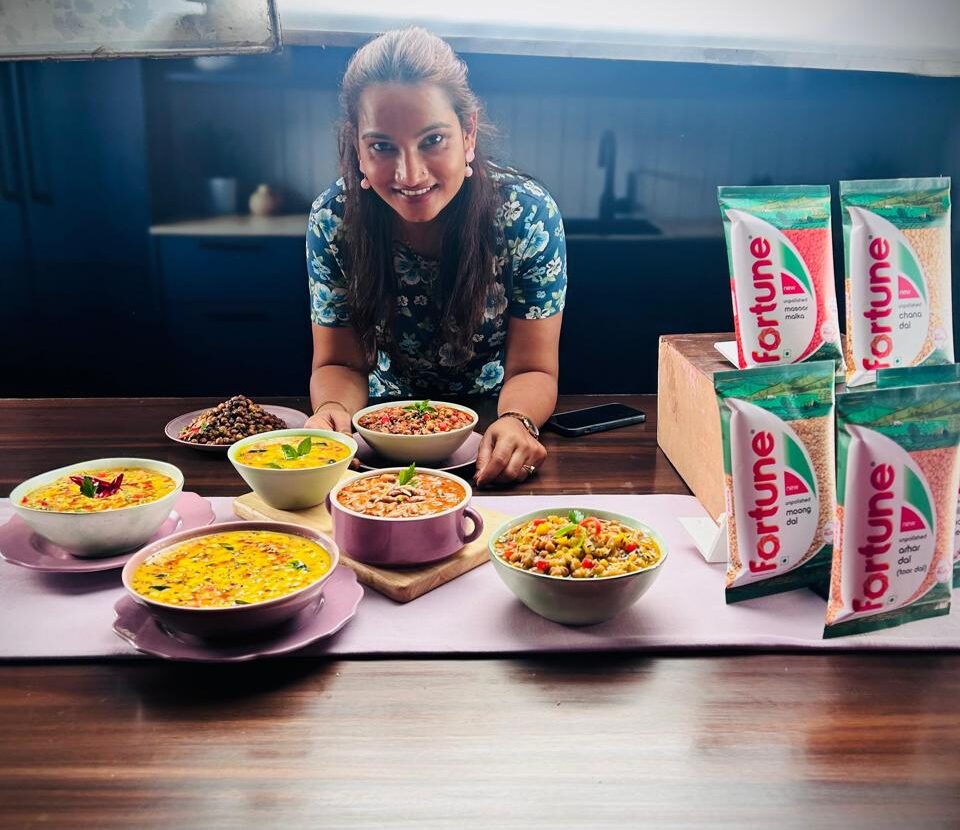
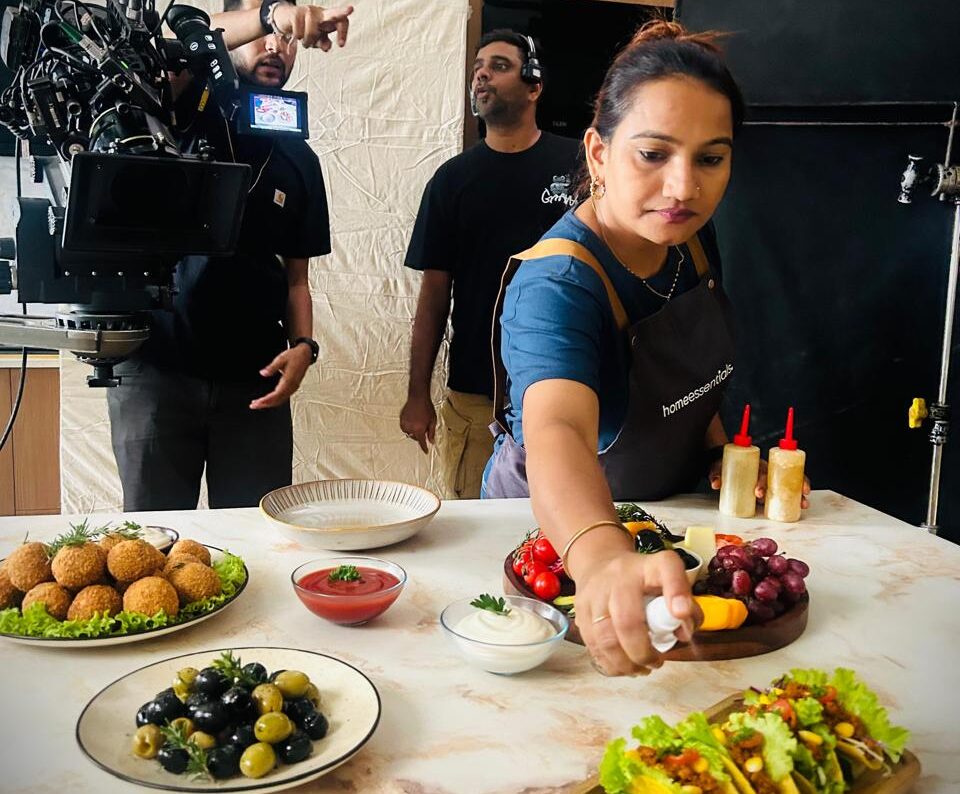
As a food stylist, I’ve learned that food presentation is never about perfection. It’s about how the eye prepares the mind. Long before anyone tastes a dish, the brain begins forming expectations about flavor, quality, freshness, and satisfaction. This response is at the heart of the psychology of food presentation, where the visual appeal of food strongly influences how it is perceived and enjoyed. Thoughtful food styling techniques guide this process, shaping food perception even before the first bite. This is where professional food styling and intentional food presentation truly begin.
How the Brain Responds to Visual Cues
When we look at food, the brain immediately starts predicting what it will feel like to eat it. This is where food perception begins. A glossy finish suggests richness, clean edges suggest care and precision, and natural textures suggest freshness and quality. These visual cues are central to the psychology of food presentation, influencing how the visual appeal of food shapes expectation. Without realizing it, we decide whether a dish feels indulgent, comforting, refined, or premium—all before the first bite. We don’t wait to taste—we anticipate through presentation.
The Role of Color in Appetite and Emotion
Color is one of the strongest psychological triggers in food presentation and food styling. Warm tones often feel inviting and appetite-stimulating, instantly enhancing the visual appeal of food, while greens naturally suggest freshness, health, and balance. Deeper, muted shades tend to communicate richness, indulgence, and a sense of luxury. These emotional responses are not learned over time—they are instinctive reactions rooted in the psychology of food perception. When color is handled with intention and balance, food feels emotionally right—not just visually appealing, but mentally satisfying as well.
Why Balance on a Plate Feels Premium
The eye naturally looks for order and visual balance. When a plate feels balanced — not overcrowded and never careless — the food presentation immediately appears more thoughtful, intentional, and valuable. Elements like spacing, proportion, and placement play a key role in food styling, quietly communicating effort and control. And in the psychology of food perception, visible effort is often interpreted as higher quality.This is why simple, well-composed plates, guided by intentional food styling techniques, often feel more premium and refined than busy or over-styled presentations.
Texture Creates Anticipation
Texture is what makes food feel real and appetizing. In food presentation and food styling, crisp edges, soft layers, and a gentle natural shine add depth and realism to a dish. These visual texture cues allow the viewer to imagine the bite, activating the psychology of food perception. The brain begins to anticipate crunch, warmth, softness, or creaminess even before tasting, simply through the visual appeal of food. Flat-looking food often feels distant and uninviting, while textured food feels fresh, edible, and satisfying. This sense of anticipation significantly enhances pleasure and the overall eating experience.
Food Presentation in the Digital Age
Today, food is often experienced on a screen first—through websites, menus, and social media feeds. People decide within seconds whether to engage, order, save, or scroll past. In this digital-first world, food presentation has become the first layer of communication between the dish and the viewer. The visual appeal of food now directly influences attention, trust, and desire. If a dish doesn’t connect visually, it rarely gets a second chance to be noticed or chosen. This shift has made thoughtful, intentional food styling and an understanding of food presentation psychology more important than ever.
What Food Styling Really Means to Me
Food styling isn’t decoration—it’s communication. It’s the visual language that guides food perception, shaping how a dish is understood before it is ever tasted. Through intentional food presentation and carefully chosen food styling techniques, the stylist aligns what people see with what the food is meant to deliver in flavor, quality, and emotion. When styling is done thoughtfully, it doesn’t distract from the dish or try to impress unnecessarily. Instead, it supports the food’s natural character, enhances the visual appeal of food, and creates a sense of trust and confidence. Before the first bite is taken, the viewer already believes in the experience the dish promises—and that belief makes the taste more satisfying.
Final Thought
We eat with our eyes first because the mind needs reassurance before pleasure. The presentation provides that reassurance. When food looks right, the brain relaxes, expectations rise, and the experience becomes more satisfying. Taste follows vision—and the presentation sets the stage.