- January 12, 2026
Why Your Food Looks Better in Ads Than Real Life
(And Why That’s Not a Bad Thing)
In advertisements, food almost always looks irresistible — taller burgers stacked to perfection, richer sauces flowing just right, deeper colors, flawless textures, and a kind of visual indulgence that feels almost unreal. Every element appears deliberate, polished, and carefully composed. But when the real dish arrives, it rarely looks exactly the same. This contrast often leaves people wondering, “Why does food look better in ads than in real life?”
The truth is, this difference is neither accidental nor dishonest. It’s the result of professional food styling, visual psychology, and controlled presentation working together to capture food at its most desirable moment. Advertising visuals are designed to highlight a dish’s best qualities — its texture, freshness, balance, and appeal — under ideal conditions. The goal isn’t to mislead, but to present food at its absolute visual peak, creating aspiration, appetite, and trust through carefully crafted imagery.
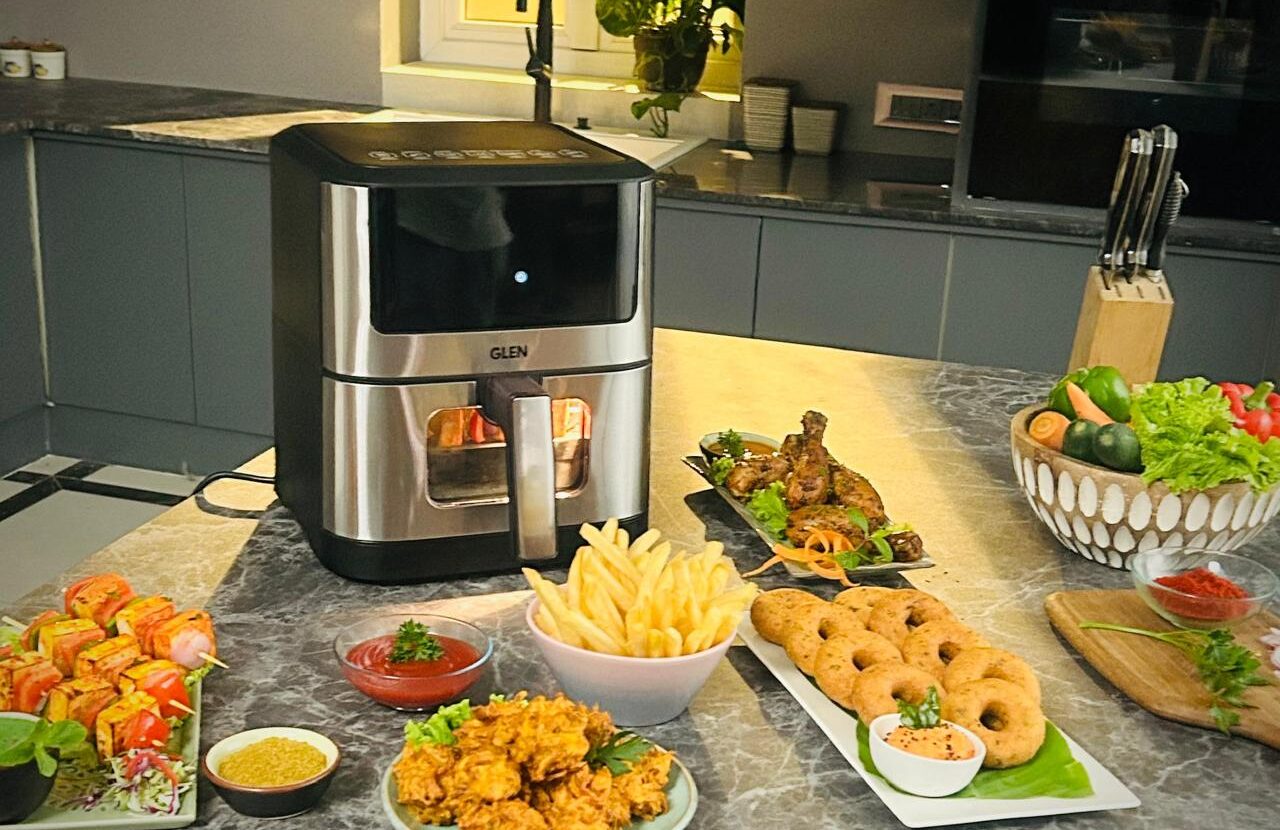
At Jyoti Food Styling (JFS), food imagery is created with a clear understanding of perception and expectation. Every dish is styled to highlight its most appetizing qualities while staying true to its identity. From luxury advertising campaigns to digital-first food brands, JFS focuses on crafting visuals that feel elevated, indulgent, and believable — not exaggerated, but aspirational. The goal is not to mislead, but to present food in its most desirable, camera-perfect form.
Ads Show Food at Its Best Moment
Food in advertisements is captured at its absolute visual peak. Ingredients are freshly prepared, sauces are carefully balanced, textures are enhanced, and every element is timed down to the second. The food is styled, lit, and photographed at the precise moment when it looks the most appetizing — when the gloss is perfect, the structure holds, and the colors are at their richest.
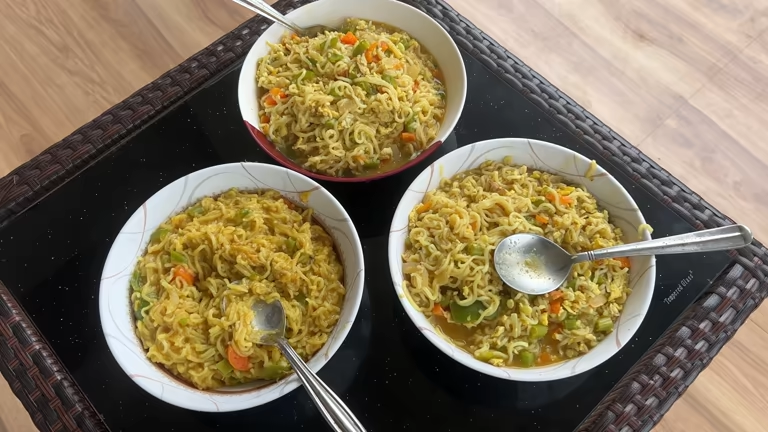
Real-life food, on the other hand, is meant to be eaten immediately and enjoyed casually. It isn’t designed to sit under studio lights, maintain symmetry, or hold its shape for extended periods. Temperature changes, gravity, and time naturally affect how food looks once it reaches the table.
Advertising freezes food at that fleeting moment when it looks its very best, while real life continues to move forward. This pause in time is what creates the polished, aspirational quality we associate with food ads — a carefully chosen moment of visual perfection that simply doesn’t exist in everyday dining.
Professional Styling vs Everyday Reality
In advertising, food is styled with an extraordinary level of precision and control. Every detail is considered, adjusted, and refined for the camera.
- Ingredients are hand-selected for size, color, structure, and freshness so they look visually perfect under lights.
- Portions are adjusted for camera angles, ensuring height, fullness, and balance look indulgent on screen.
- Garnishes are placed intentionally, never randomly, to guide the viewer’s eye and enhance texture.
- Every element is refreshed constantly, because food changes quickly once styled and lit.
In real kitchens, food is prepared for speed, consistency, and service, not for visual perfection. Dishes are cooked to be eaten immediately, not held in ideal conditions for photography. That’s why the same dish can feel dramatically different on screen and on the plate.
This isn’t manipulation — it’s visual optimization, presenting food at its most appealing moment.
Lighting Changes Everything
One of the biggest reasons food looks better in ads is lighting. Studio lighting is carefully designed to enhance appetite appeal and mood.
- Enhance texture, making surfaces feel tactile and edible
- Control shine and moisture, preventing food from looking dry or greasy
- Add depth and dimension, so food doesn’t appear flat
- Create warmth and mood, shaping emotional response
Real-life lighting is unpredictable. Harsh overhead lights, shadows, mixed color temperatures, and reflections can flatten even beautifully cooked food. In advertisements, light is controlled precisely to make food look rich, fresh, and dimensional — exactly how the brain loves to see it.
Camera Angles Are Chosen Strategically
In advertising, food is photographed from angles that highlight its strongest features — whether that’s height, layers, fillings, or texture. Each angle is chosen deliberately to maximize indulgence and visual appeal.
Real life doesn’t offer that luxury. Food is viewed from wherever the diner happens to sit — often under poor lighting and awkward angles. In ads, the camera is positioned where the food looks its most desirable.
That single choice — angle — can dramatically change how food is perceived.
Texture & Moisture Are Carefully Managed
In real life, food naturally changes. It dries, melts, absorbs sauces, and loses gloss within minutes. In advertising, these changes are actively managed.
- Texture is preserved or refreshed
- Moisture levels are controlled
- Gloss is maintained without excess
- Steam and warmth cues are recreated naturally
This constant control keeps food looking freshly prepared — even hours into a shoot. It’s what creates the rich, indulgent look people associate with food advertisements.
Why the Brain Accepts Ad Visuals
The human brain understands that advertisements present an idealized version of reality. When food visuals feel aspirational yet believable, the brain doesn’t feel cheated — it feels inspired.
Problems arise only when visuals cross the line into exaggeration or artificiality. Strong food styling respects this boundary by balancing aspiration with authenticity, ensuring visuals feel honest while still desirable.
Why This Matters for Brands
Food imagery sets expectations long before the first bite. When done responsibly, advertising visuals:
- Build appetite appeal, making food instantly tempting
- Strengthen brand trust, through consistency and quality
- Communicate value, even without words
- Encourage trial, reducing hesitation
Brands that understand this difference don’t promise perfection — they promise potential, and deliver an experience worth trying.
The Real Goal of Food Advertising
Food ads aren’t meant to show how food looks on an average day. They are meant to show how good it can look — when prepared well, served fresh, and experienced at its best.
That’s not deception.
That’s storytelling.
Final Thoughts
The Real Goal of Food Advertising
Food ads aren’t meant to show how food looks on an average day. They are meant to show how good it can look — when prepared well, served fresh, and experienced at its best.
That’s not deception.
That’s storytelling.
Strong CTA
If your brand wants food visuals that look aspirational yet honest, indulgent yet believable, it’s time to invest in professional food styling. At Jyoti Food Styling, every frame is crafted to balance visual perfection with brand trust.
✨ Let’s style food that looks better on screen — and feels right in real life.
Visit www.jyotifoodstylish.com to elevate your food visuals.