- May 7, 2026
Restaurant Food Styling: How Professional Food Styling Helps Restaurants Increase Orders
Restaurant food styling has become one of the most important elements of modern restaurant marketing. In today’s digital-first food industry, customers often decide what to eat based entirely on visuals. Before reading reviews, checking prices, or visiting a restaurant, people first react to how the food looks online. Whether customers are browsing Instagram, scrolling through Zomato and Swiggy, or checking restaurant websites, visually appealing food immediately captures attention.
This shift in customer behaviour has made professional food presentation more valuable than ever. A well-styled pizza with visible cheese pull, a rich curry with balanced garnish, or a dessert with smooth texture can instantly create craving and influence ordering decisions. Because of this, restaurants are now investing heavily in food photography for restaurants to improve digital presence and increase customer engagement.
In competitive food markets, strong visuals help restaurants stand out. Professional restaurant food styling is no longer just about making dishes look attractive—it is about creating visuals that encourage customers to stop scrolling and place an order.
Why Restaurant Food Styling Matters More Than Ever
Customers today consume food visually before experiencing it physically. On delivery apps and social media platforms, the image of the dish often becomes more important than the written description. This is why restaurant food styling directly affects customer perception.
A dish that looks dull, messy, or poorly photographed may be ignored even if the actual taste is excellent. On the other hand, professionally styled food creates immediate appetite appeal. Strong visuals communicate freshness, quality, and professionalism without saying a single word.
Modern customers are heavily influenced by visual presentation because online ordering removes physical interaction with the food. Since customers cannot smell or taste the dish before ordering, zomato swiggy food photos become the main factor influencing trust and purchase decisions.
Restaurants that consistently present high-quality visuals often build stronger brand recognition and customer confidence.
The Growing Importance of Food Photography for Restaurants
Digital marketing has changed the restaurant industry completely. Restaurants are no longer competing only on taste or location—they are competing visually. This is why food photography for restaurants has become an essential investment rather than an optional creative service.
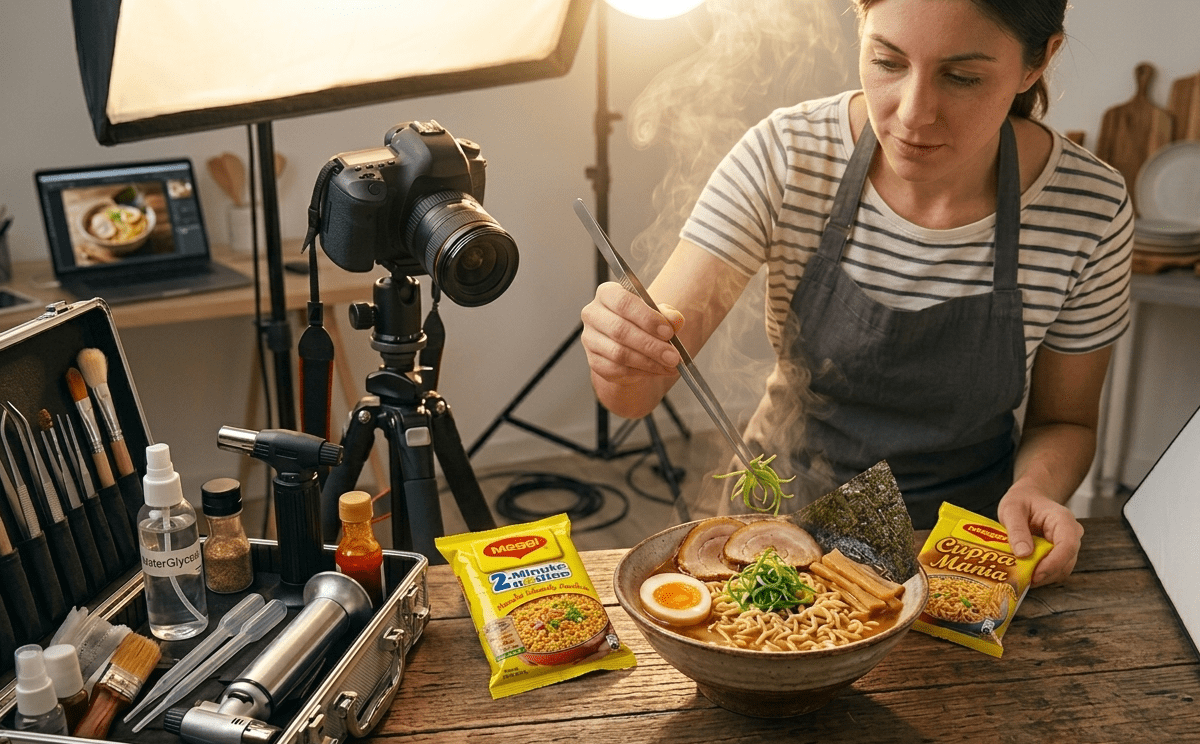
Professional photography combined with strong restaurant food styling helps dishes look cleaner, richer, and more appetizing. Texture, steam, garnish placement, and lighting all contribute to how customers emotionally respond to a dish.
A professionally photographed burger can appear juicy and satisfying. A beverage can look refreshing through condensation and lighting. A dessert can feel indulgent through texture and close-up presentation. These visual details influence cravings and encourage customers to order immediately.
Restaurants that invest in high-quality visuals often create a stronger emotional connection with customers online.
How Restaurant Food Styling Improves Zomato Swiggy Food Photos
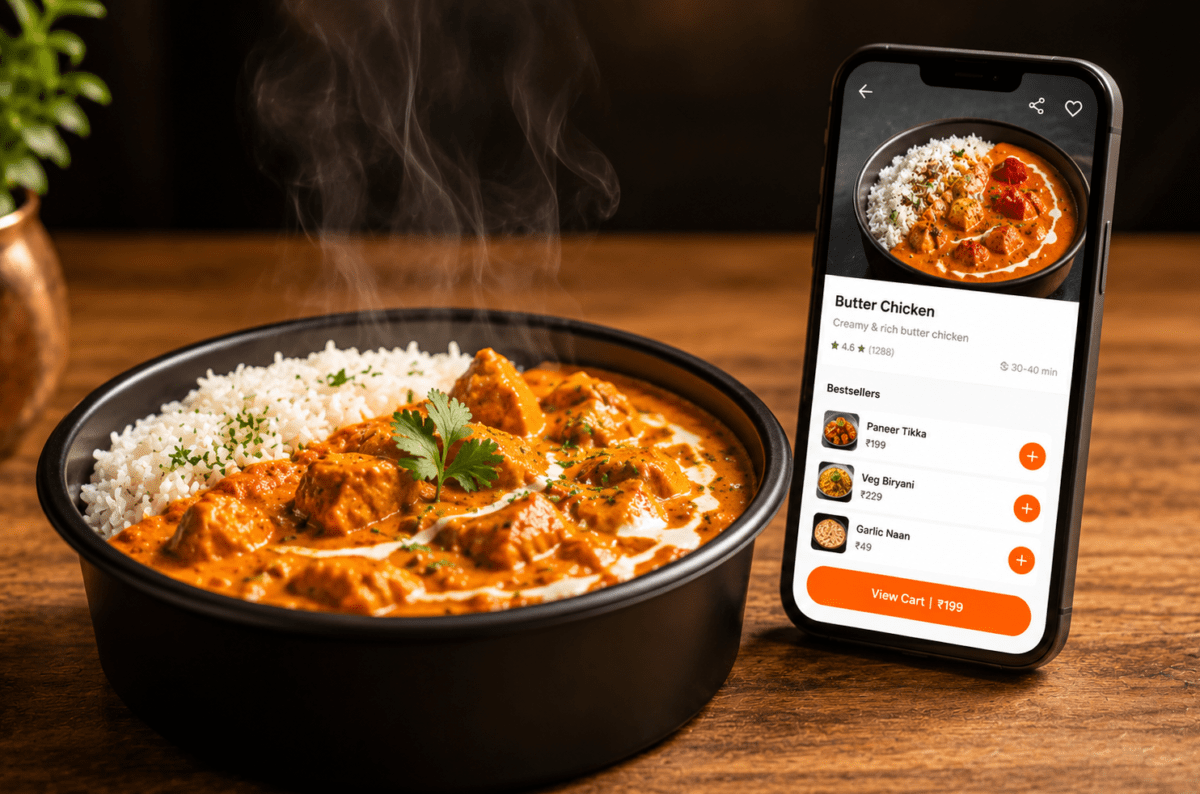
Food delivery apps are highly visual platforms where restaurants compete directly beside hundreds of similar options. In this environment, zomato swiggy food photos become one of the most important tools for attracting clicks and increasing orders.
Professional restaurant food styling ensures that dishes appear balanced, fresh, and visually satisfying even on smaller mobile screens. Food stylists carefully manage texture, colour, portion appearance, and composition so the food looks appealing in app listings.
For example, glossy noodles appear fresher, crispy snacks look crunchier, and rich gravies appear more flavourful when styled professionally. These visual improvements create stronger appetite response and improve menu engagement.
Restaurants with better zomato swiggy food photos often appear more premium and trustworthy compared to competitors using casual mobile photography.
Step 1: Understanding the Restaurant’s Brand Identity
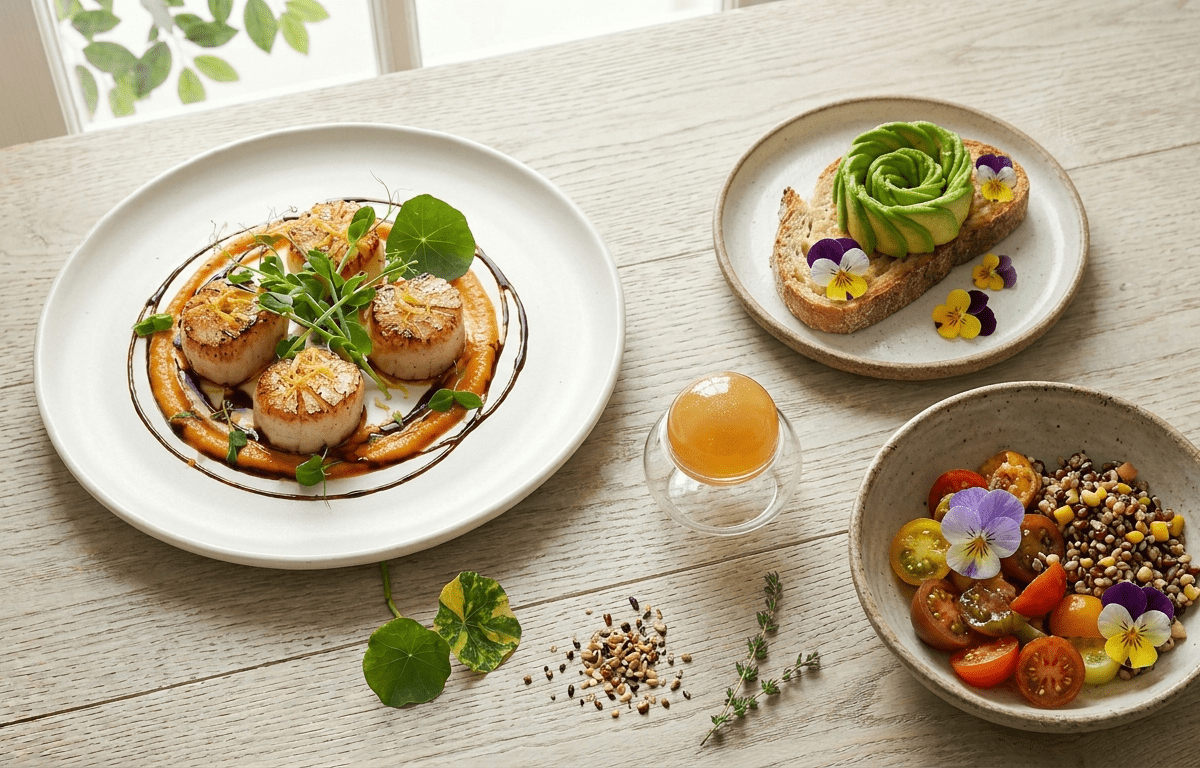
Every restaurant has a unique personality, and restaurant food styling should reflect that identity clearly. A luxury fine-dining restaurant requires refined presentation, while a comfort-food café may focus more on warmth and abundance.
Before the shoot begins, food stylists study the menu, customer audience, and overall restaurant theme. In professional food photography for restaurants, visuals must feel aligned with the dining experience customers expect.
For example, a premium steakhouse may require darker cinematic lighting, while a healthy café may use brighter natural tones to communicate freshness. Understanding brand identity helps create more effective visual storytelling.
This stage ensures visual consistency across menus, social media, and advertisements.
Step 2: Using Menu Styling Ideas to Highlight Signature Dishes
One of the smartest menu styling ideas is focusing on hero dishes that attract customer attention immediately. Restaurants do not need every dish to look visually complex. Instead, they should prioritize dishes that drive orders and represent the brand strongly.
Professional restaurant food styling helps elevate these hero dishes through texture enhancement, garnish placement, and composition control. Elements like sauce drips, visible seasoning, fresh herbs, and steam help create stronger appetite appeal.
Strong menu styling ideas also improve menu readability because customers naturally focus more on visually appealing dishes. Restaurants can strategically highlight bestselling or high-profit dishes through stronger visual presentation.
This approach helps improve both branding and sales performance.
Step 3: Texture and Freshness in Food Photography for Restaurants
Texture is one of the strongest emotional triggers in food visuals. Customers react immediately to crispy textures, melting cheese, glossy sauces, or smooth desserts because these details help them imagine taste and mouthfeel.
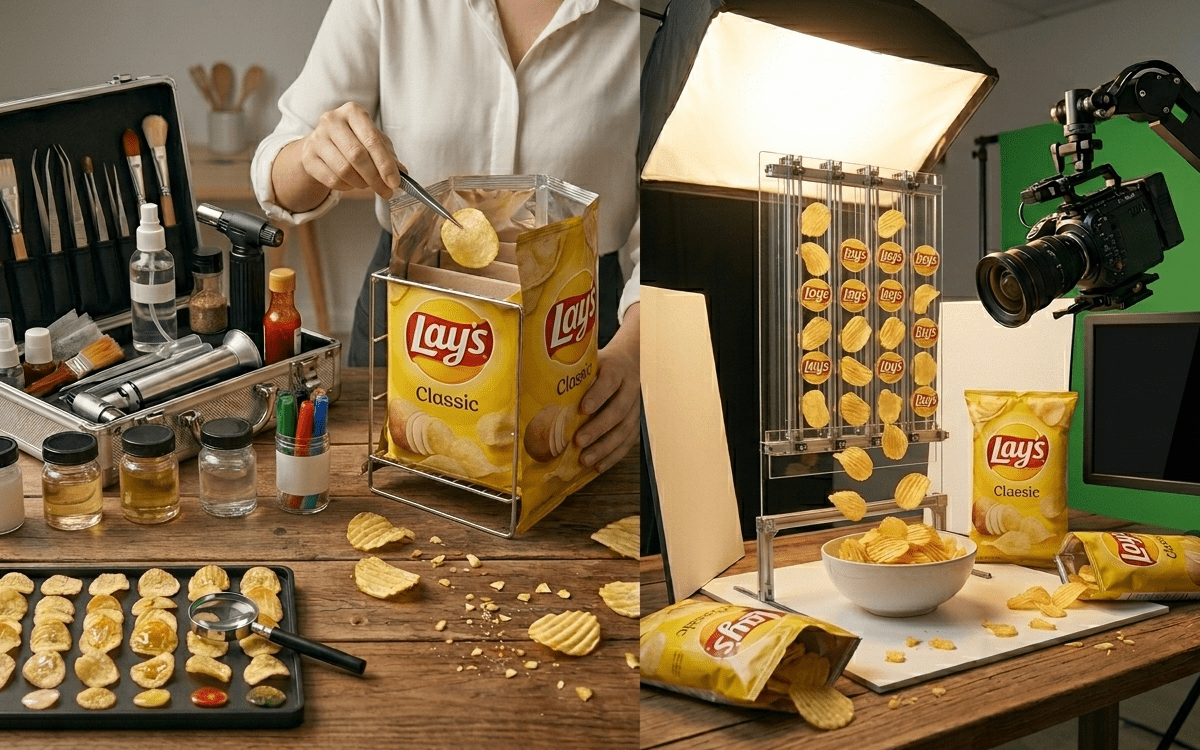
Professional food photography for restaurants focuses heavily on maintaining freshness and texture throughout the shoot. Since food changes quickly under studio lighting, stylists constantly adjust elements to preserve visual quality.
In restaurant food styling, beverages are styled to look cold and refreshing, breads appear soft and warm, and fried foods are presented to emphasize crunch. These small visual details significantly improve appetite response.
Strong texture presentation creates more realistic and satisfying food visuals.
Step 4: Creating Better Zomato Swiggy Food Photos for Mobile Audiences
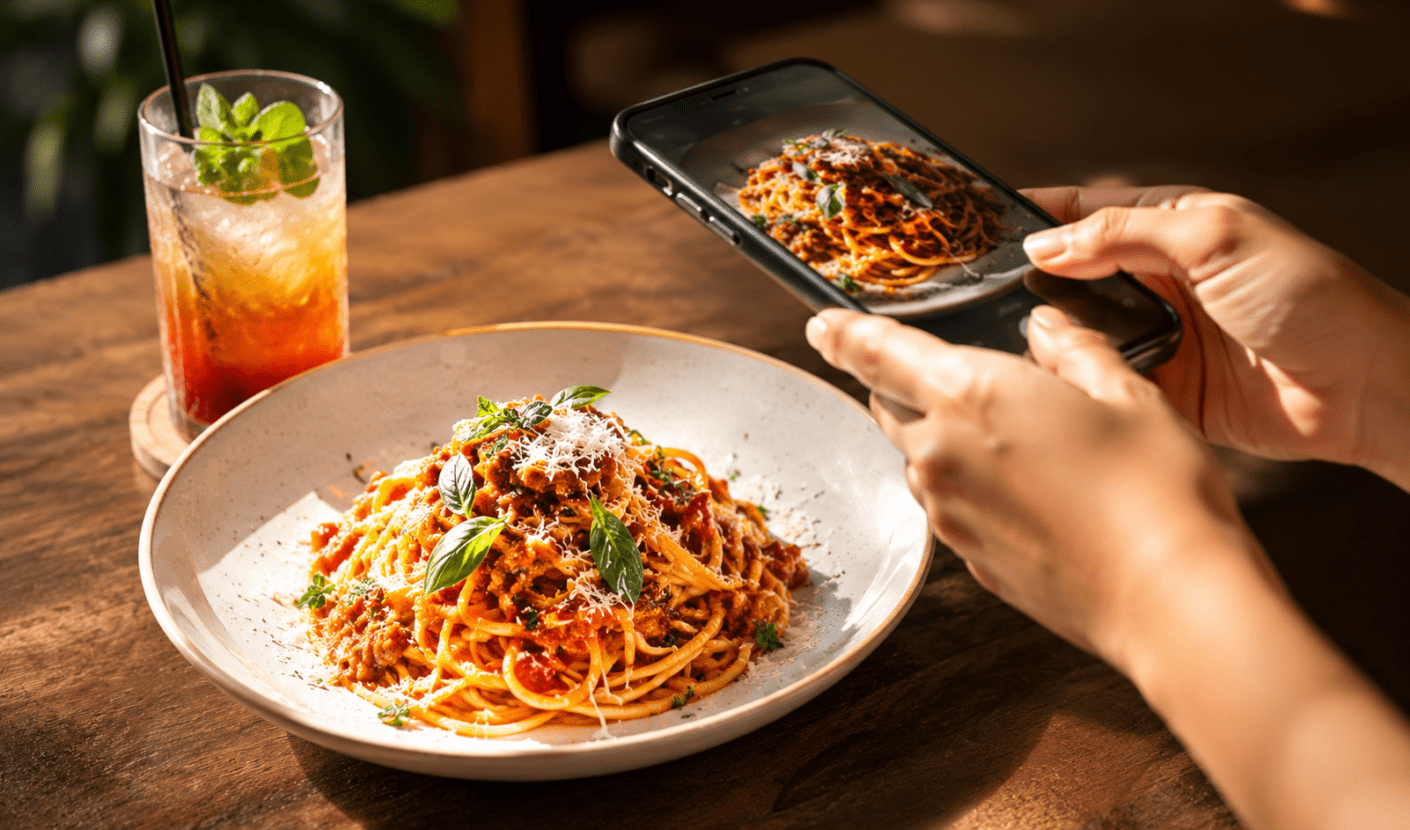
Most food delivery customers browse menus through smartphones, which means visuals need to perform effectively on smaller screens. This has changed how zomato swiggy food photos are styled and photographed.
Professional restaurant food styling now focuses more on close-up compositions, cleaner backgrounds, and stronger texture visibility. Since users scroll quickly, dishes must create impact instantly.
Bright colour contrast, controlled lighting, and focused compositions help food stand out in crowded app interfaces. Restaurants using professional visuals often achieve higher menu engagement because the dishes appear clearer and more appetizing.
Mobile-first food styling has become a major part of restaurant marketing strategy.
Step 5: Why Menu Styling Ideas Directly Influence Customer Orders
Customers naturally gravitate towards dishes that look visually satisfying. This is why effective menu styling ideas can directly influence ordering behaviour.
Restaurants often use stronger visuals for signature dishes, desserts, combo meals, and beverages because these categories perform well visually. Through strategic restaurant food styling, restaurants can guide customer attention towards specific menu items.
Well-styled dishes create stronger emotional response and increase the chances of impulse ordering. Visual satisfaction often leads customers to spend more and explore more items from the menu.
Strong menu presentation improves both customer experience and business performance.
How Social Media Changed Restaurant Food Styling
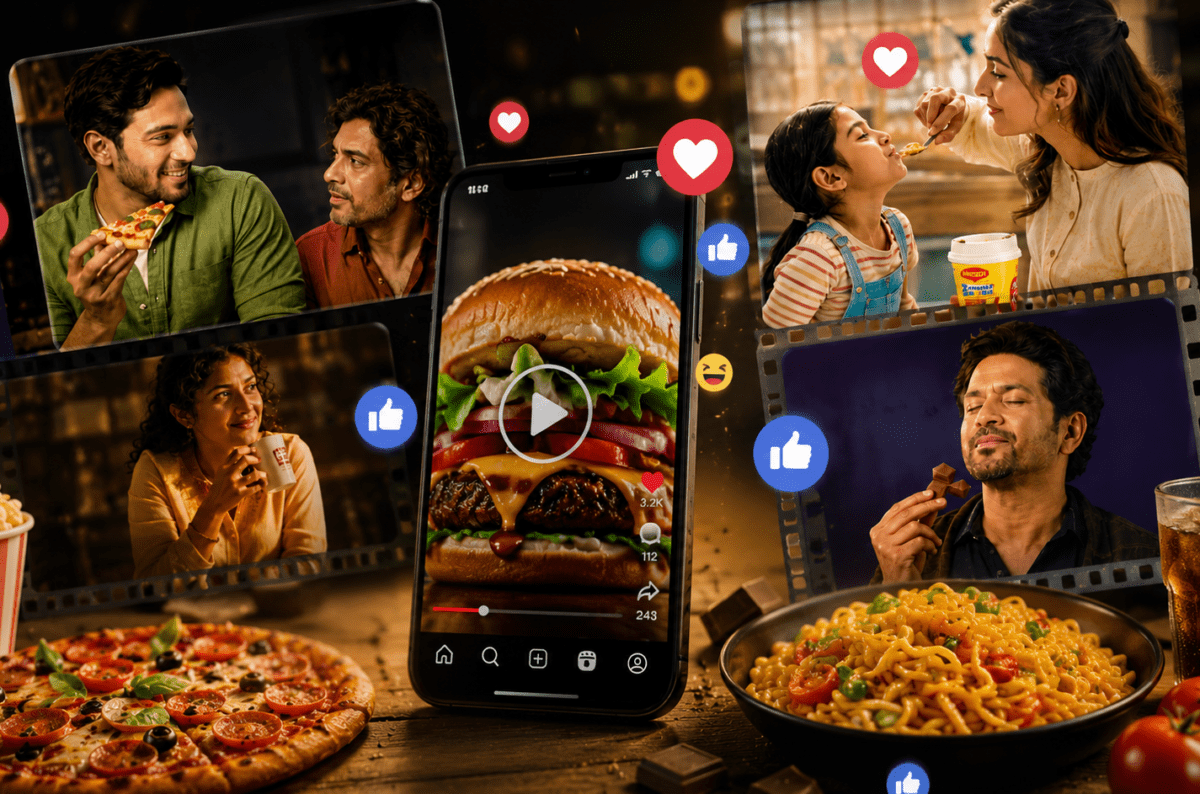
Instagram, reels, and influencer marketing have completely transformed the importance of food photography for restaurants. Today, customers frequently discover restaurants through social media visuals before visiting physically.
Because of this shift, modern restaurant food styling now includes movement-based visuals such as cheese pulls, pouring sauces, sizzling effects, and close-up texture shots that perform well on reels and short-form content.
Restaurants now require visuals not just for menus but also for digital campaigns, influencer collaborations, and promotional advertisements. Social media has turned food visuals into one of the strongest branding tools in the restaurant industry.
Step 3: Texture and Freshness in Food Photography for Restaurants
Texture is one of the strongest emotional triggers in food visuals. Customers react immediately to crispy textures, melting cheese, glossy sauces, or smooth desserts because these details help them imagine taste and mouthfeel.
Professional food photography for restaurants focuses heavily on maintaining freshness and texture throughout the shoot. Since food changes quickly under studio lighting, stylists constantly adjust elements to preserve visual quality.
In restaurant food styling, beverages are styled to look cold and refreshing, breads appear soft and warm, and fried foods are presented to emphasize crunch. These small visual details significantly improve appetite response.
Strong texture presentation creates more realistic and satisfying food visuals.
Why Restaurants Should Invest in Professional Food Styling
Professional food visuals create stronger first impressions, improve trust, and increase online engagement. In highly competitive food markets, restaurants with weak visuals often struggle to attract attention even if their food quality is excellent.
High-quality zomato swiggy food photos help restaurants appear more established and reliable. Professional restaurant food styling also ensures visual consistency across platforms, helping restaurants build a recognizable brand identity.
Restaurants that invest in strong visuals often gain better customer engagement, stronger social media presence, and improved order performance
Final Thoughts
Restaurant food styling has become one of the most valuable marketing tools in the modern food industry. Customers now experience restaurants visually before they experience them physically, making presentation more important than ever.
From professional food photography for restaurants to high-performing zomato swiggy food photos and effective menu styling ideas, visual content now directly influences customer behaviour and ordering decisions.
As digital ordering and social media continue shaping the restaurant industry, businesses that invest in strong food styling and photography will continue building stronger customer engagement and long-term brand value.